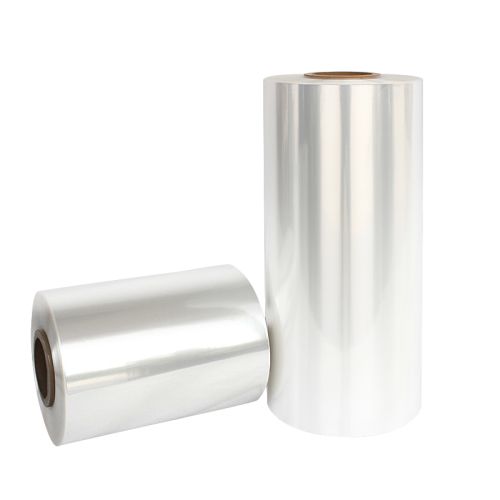
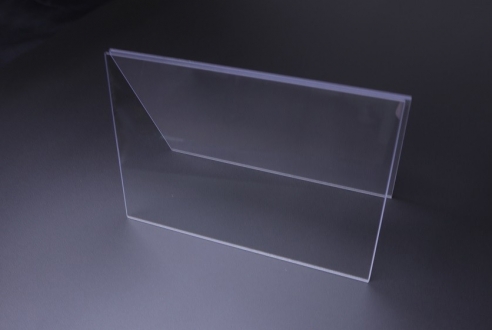
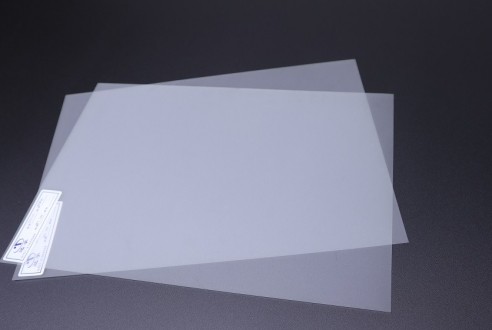
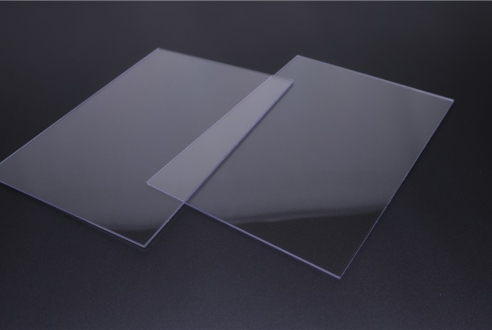
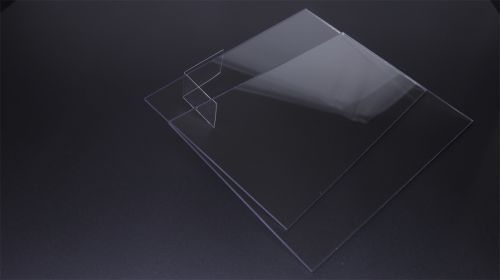
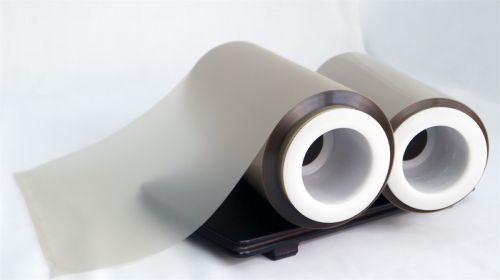
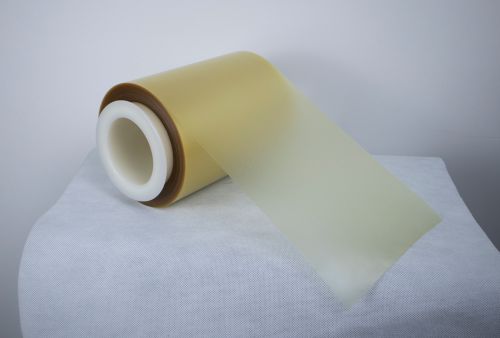
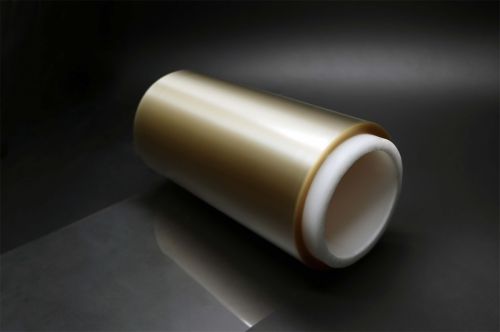
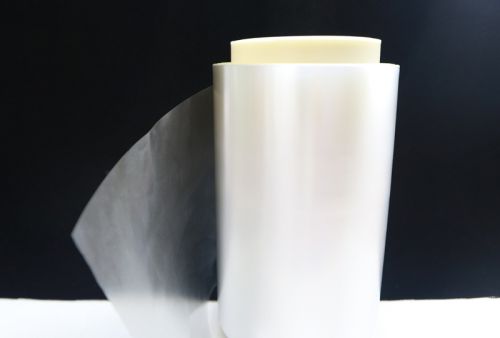
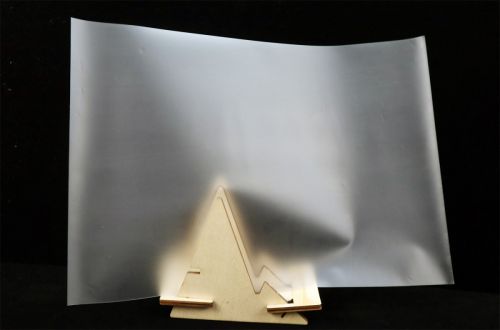
A display polarizer needs more than a transparent cover. Its PVA layer can be sensitive to moisture, handling, adhesive interfaces, heat, and contamination. Ultra-thin PMMA film for polarizer protection gives designers a thin optical substrate to evaluate when they need high light transmission, weather resistance, and low moisture permeability without adding a thick rigid sheet.
Dafu supplies ultra-thin PMMA film for optical and protective applications. The correct grade should be selected from the complete display stack, not from transparency alone.
Define What the Protection Layer Must Prevent
Start with the current failure. Is the polarizer changing color, losing optical uniformity, lifting at an edge, showing bubbles, or becoming damaged during converting? Record where and when the defect appears. Moisture ingress, adhesive compatibility, lamination pressure, trapped particles, thermal cycling, and edge design may produce similar symptoms.
The protection-film specification should define thickness, width, surface, optical inspection limits, moisture-related targets, dimensional requirements, winding and packaging. It should also identify which side is bonded and whether printing, tinting, coating, or narrow slitting follows.
Optical Approval Must Use the Finished Stack
High transmission is useful, but it cannot describe haze, distortion, color shift, Newton rings, local defects, or viewing-angle changes. Dafu's guidance on optical film for displays and protective windows recommends connecting material inspection to the actual viewing task.
Evaluate the film with the intended polarizer, adhesive, glass or plastic cover, backlight, coating, and display. Inspect powered samples under defined brightness, background, angle, and ambient lighting. Establish critical viewing zones and cosmetic sampling rules before the trial so that acceptance does not depend on subjective discussion.
Moisture Control Is a System Property
PMMA is relevant when the project needs a transparent, weather-resistant film with low moisture permeability. However, the finished stack also depends on adhesive, edge sealing, cut geometry, storage, and assembly. A good base film cannot compensate for an open edge or an incompatible adhesive.
Use accelerated conditioning that reflects the product environment, then measure optical appearance, bond condition, dimensions, and display function. Compare unconditioned controls with exposed samples. Do not claim a universal service life from a single film property.
Control Lamination and Surface Handling
Ultra-thin film can wrinkle, stretch, trap particles, or develop edge damage when tension and nip conditions are unstable. Confirm roll direction, core, splice rules, surface protection, static control, cleaning, web tension, and lamination temperature. Run the trial at representative width and speed because a small hand-laminated sample may not reveal production behavior.
If printing or coating is required, confirm surface energy and adhesion after storage and conditioning. Dafu's article on PC/PMMA film in displays and electronics provides useful context for testing optical components after decoration and forming. The same principle applies here: approve the converted construction, not only the incoming roll.
Match Thickness to Handling and Function
Reducing thickness can help control stack height, but it may make web handling and defect control more demanding. Ask for the available gauge range, tolerance, width, and surface finish for the exact product. Test at the intended thickness rather than approving one gauge and purchasing another.
The design team should create a requirement matrix. Link optical uniformity to incoming inspection and powered-display testing; moisture protection to conditioning and edge design; adhesion to peel or cross-cut methods appropriate to the assembly; and dimensional stability to lamination and thermal exposure.
Incoming storage and transport also belong in the qualification. Define temperature, humidity, original packaging, acclimation time, shelf-life control, and procedures for partially used rolls. Moisture or dust introduced before lamination can be mistaken for a film defect. Record roll identification at every converting step, keep retained samples from both accepted and rejected material, and use the same conditioning and inspection sequence when comparing lots. This discipline makes supplier discussions faster and protects the polarizer trial from uncontrolled handling variables.
Finally, define how optical and moisture-related results will be reported. Use consistent units, specimen orientation, conditioning time, sample count, and photographs. A shared report format lets the display maker, laminator, and film supplier compare trial stages without losing the history of each sample.
FAQ
Why use PMMA film near a PVA polarizer?
It can be evaluated as a thin transparent protection layer where optical quality, weather resistance, and moisture control are important. Final suitability depends on the full stack.
Is light transmission enough to approve the film?
No. Inspect haze, color, distortion, particles, scratches, interference patterns, and the powered display after lamination.
What causes bubbles in a polarizer laminate?
Possible causes include contamination, trapped air, adhesive behavior, surface condition, pressure, temperature, moisture, and poor edge design. Retained samples and process records help separate them.
Should the buyer test the thinnest available gauge first?
Not automatically. Select a gauge that balances stack height with web handling, lamination stability, dimensional control, and defect tolerance.
Request Stack-Specific Samples
Share the polarizer construction, target thickness, width, adhesive, lamination conditions, optical limits, environmental exposure, and inspection method. Dafu can then recommend a relevant PMMA film format for controlled stack trials.