Start with What the User Must See
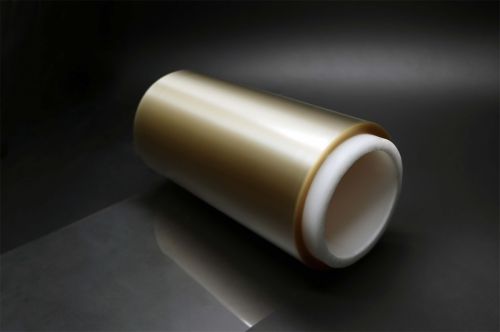
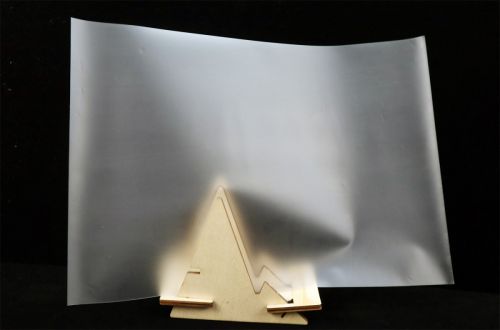
Optical grade PC film should be specified from the viewing task backward. A mobile-device window, an automotive instrument surface, a machine-status panel, and protective eyewear may all require a clear polymer film, but the viewing distance, lighting, angle, graphics, impact exposure, and operating temperature are different. Dafu Optical Grade PC Film offers light transmittance above 90%, making it relevant where visibility and image clarity are central. The buyer still needs to define how much distortion, haze, reflection, color shift, or surface marking the final component can tolerate.
A strong optical brief includes the background display or indicator, ambient lighting, expected viewing angles, surface finish, printed areas, and whether the user looks through one layer or a complete stack. Adhesives, coatings, air gaps, graphics, and molded parts can change the appearance seen through the finished assembly. For that reason, the film should not be approved only as a loose sheet under office lighting. It should be evaluated in a representative component, with the actual display and illumination where possible.
Four Application Scenes, Four Different Priorities
Consumer-Electronics Display Windows
For phones, tablets, and related electronics, the film may contribute optical clarity, low weight, impact resistance, and electrical insulation. Printed borders or symbols can be added when the selected printing system is compatible. Buyers should examine visual quality over bright and dark display content, because small surface defects can become more noticeable against a lit screen. Assembly pressure, adhesive uniformity, edge design, and repeated handling should also be included in the test plan. A clear film is only useful if the complete window remains readable throughout use.
Automotive Instrument and Interior Displays
Automotive interiors expose display components to a wide temperature range, vibration, sunlight, cleaning, and repeated touch. Dafu Optical Grade PC Film maintains stable performance from −40°C to 120°C, a verified operating range relevant to vehicle and outdoor-adjacent environments. Buyers should treat that range as material information, then validate the decorated and assembled component under the automotive program required by the customer. Printed graphics, adhesives, hard surfaces, and neighboring parts may respond differently to thermal cycling.
Machine and Equipment Windows
Industrial equipment windows must allow operators to read status information while separating users from internal components. Here, impact resistance and inherent electrical insulation can matter alongside transparency. The design may also require printed warnings, control labels, or opaque borders. Dafu Optical Grade PC Film has printability and insulation properties that support this type of development. Qualification should include cleaning practices, contact points, mounting stress, temperature, and the possibility of particles or tools striking the surface.
Optical Instruments and Protective Eyewear
Optical instruments and goggles place greater emphasis on clear viewing and mechanical protection. The film’s high transmittance and impact resistance are relevant, but geometry and surface condition become especially important. Curvature, forming strain, edge finishing, and any coating can alter the optical path. Buyers should test the final shape at realistic viewing angles and inspect for localized distortion around bends or attachment points. Material data alone cannot establish suitability for a regulated or safety-critical device; the complete product requires its own assessment.
Translate Performance into Design Decisions
More Than 90% Light Transmittance
Light transmittance above 90% gives Dafu Optical Grade PC Film a strong starting point for transparent windows and display components. However, transmittance is not the only optical variable. Surface quality, thickness consistency, forming, printing, adhesive selection, and the number of layers influence what the user sees. Buyers should agree on how optical appearance will be inspected, including lighting, background, viewing distance, and defect size. A shared inspection method reduces disagreements that can occur when one party evaluates a loose film and another evaluates a brightly illuminated assembly.
Impact Resistance and Component Geometry
Polycarbonate is chosen frequently when a transparent component must tolerate impact better than a more brittle plastic. Dafu Optical Grade PC Film is identified as impact resistant, which can help protect displays and windows. The finished part’s performance still depends on thickness, unsupported area, edge design, holes, sharp corners, forming strain, and how it is fixed into the housing. A part clamped too tightly or cut with damaged edges may fail before the film’s general material capability is reached. Prototype testing should therefore reproduce the real geometry and mounting method.
Weather and Temperature Stability
Weather resistance and stable performance from −40°C to 120°C support applications exposed to changing environments. The buyer should distinguish short thermal excursions from continuous service and should define whether sunlight, humidity, water, cleaners, or outdoor storage are involved. Printed inks and adhesives may become the limiting materials even if the PC film remains stable. Thermal cycling of the complete stack is valuable because different materials expand and contract at different rates, creating stress that may affect flatness, bond quality, or optical appearance.
Printing and Electrical Insulation
Printability allows graphics, symbols, borders, and functional identification to be integrated into a film-based component. Inherent electrical insulation can also support separation between users, displays, and electronic assemblies. These advantages should be developed together with the process. Ink system, surface preparation, drying, forming, adhesive contact, and abrasion exposure can influence printed durability. Electrical suitability depends on the exact thickness, voltage environment, creepage and clearance design, contamination, and finished assembly. The film property does not replace electrical validation of the component.
The Process Route Can Change the Optical Result
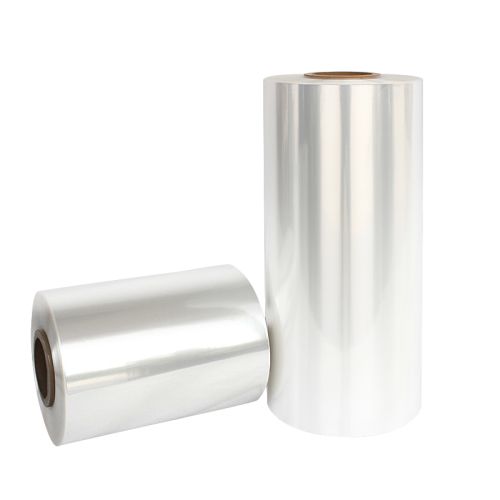
Optical Grade PC Film may be printed, cut, formed, laminated, or bonded before assembly. Each step can add defects or stress. Web handling may create scratches; printing may introduce dust or uneven layers; forming can thin selected areas; cutting can damage edges; and bonding can trap bubbles or create visible patterns. Buyers should map the process route and place an inspection point after each operation that could permanently change appearance. Protective handling and cleanliness are especially important when the final surface remains visible to the user.
The trial should also establish orientation, protective masking, storage, and cleaning rules. Operators need to know which surface is cosmetic, where contact is permitted, and which cloths or cleaners are acceptable. Packaging between conversion stages should prevent rubbing and particle transfer. These controls may appear basic, but optical rejects are often caused by handling rather than by the raw film. A material supplier and converter can work more effectively when defects are described by location, size, lighting condition, and processing stage.
Specify Thickness and Flatness from the Assembly
The appropriate thickness should be chosen from the unsupported span, forming depth, impact exposure, stiffness target, available space, and converting method. A thicker film may provide more rigidity, while a thinner film may reduce weight and conform more easily; the verified product information in this article does not establish a universal thickness choice. Flatness also matters because waviness can become visible over a display or complicate printing and bonding. Buyers should provide drawings and process information, then qualify representative material in the actual fixture instead of ordering only by polymer name.
A golden-sample process can align visual expectations. Approve representative acceptable and unacceptable parts under a defined light source, background, distance, and angle. Record the defect categories and inspection timing, and protect the approved samples from handling damage. This approach is more reliable than subjective descriptions such as “optically perfect.” It also helps purchasing, quality, the converter, and the film supplier discuss the same standard when a batch is reviewed.
Validate the Finished Part in a Use-Case Matrix
· Visual: transmittance, readability, distortion, surface marks, color appearance, and defects under representative illumination.
· Mechanical: impact, bending, attachment stress, edge condition, and handling of the real component geometry.
· Environmental: thermal exposure from −40°C to 120°C as relevant, humidity, weather, cleaning, and cycling.
· Decorative: ink adhesion, registration, opacity, rub resistance, and appearance after forming or bonding.
· Electrical: insulation performance of the final design under its actual voltage and contamination conditions.
Know Where Additional Protection May Be Needed
A high-transparency, impact-resistant PC film is not automatically immune to every scratch, chemical, or outdoor exposure. If the surface will experience repeated abrasion, aggressive cleaners, or a demanding cosmetic specification, the component developer may need an appropriate protective solution and separate testing. Likewise, a broad temperature range does not prove that every ink, adhesive, or coating in the stack will remain stable. Stating these limits early improves material selection and prevents the PC film from being blamed for a failure that originates elsewhere in the assembly.
Write the Request for Quotation around the Component
A useful RFQ for Dafu Optical Grade PC Film should describe the application, thickness requirement, width or part size, optical inspection conditions, operating temperature, print design, forming method, adhesive, surface exposure, impact risk, and expected annual volume. Buyers should also request representative samples for process trials and agree on roll or sheet quality expectations. The purpose is not to collect the largest possible data package; it is to connect the supplier’s film with the component’s real risks.