Phase A — Convert the Design Concept into a Controlled Color Target
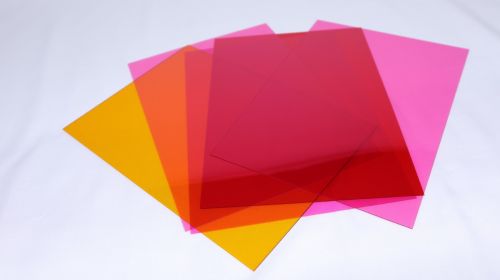
Multicolor composite sheet projects often begin with a rendering, mood board or physical object. Those references are useful for design, but production needs a controlled target. Dafu Multicolor Composite Sheet supports Pantone color matching, allowing the buyer to communicate a recognized color reference rather than a subjective description such as “deep blue” or “warm silver.” The Pantone number should still be paired with finish, texture, lighting and acceptable variation because the same color can appear different on different surfaces.
Create a visual master under agreed viewing conditions. Specify light source, angle, background and whether approval concerns the raw sheet, printed sheet, formed part or assembled product. Decorative layers, clear protection, curvature and neighboring components can shift perceived color. The approved master should represent the stage at which the customer will judge the product. Retain protected samples and digital records so later batches are compared with the same reference.
Phase B — Select Thickness from the Component, Not the Color Card
DafMulticolor Composite Sheet is available in multiple thickness options. Thickness affects stiffness, forming behavior, edge appearance, occupied space and assembly fit. A phone back cover, camera decorative ring, e-cigarette housing and automotive center-console trim have different unsupported spans and geometries. The buyer should provide drawings, tolerance requirements, forming depth, attachment method and neighboring-part clearances before choosing the sheet.
Prototype more than one thickness when the design margin is narrow. A thinner option may reduce weight and conform more easily, while a thicker sheet may provide greater rigidity. The correct choice is the lowest-cost thickness that survives converting and meets the assembled component’s dimensional and visual requirements. Because verified mechanical values are not established here, the decision should rely on actual part trials rather than assumed performance.
Phase C — Use Direct Color-Layer Formation to Review Process Simplification
The product’s color layer can be formed directly, reducing the need for some later color-processing steps. This can simplify a decorative route, but buyers should map the existing process before removing any operation. Each coating, printing or finishing step may provide color, opacity, protection, texture or adhesion. Direct color formation creates value when it replaces a clearly defined function without weakening another requirement.
A process map should compare material input, printing passes, drying, coating, lamination, forming, trimming, inspection and assembly. Record yield and cycle time at each stage. The potential benefit is not simply fewer steps; it is fewer failure opportunities and more stable appearance. If an eliminated step previously concealed substrate variation or added abrasion protection, the new component may need another solution. Validate the finished part before claiming process reduction.
Phase D — Make Printing the Center of the Converting Trial
Printing is a major advantage for decorative sheets because graphics, patterns, gradients, logos and functional markings can differentiate the final part. The trial should use production-intended ink, screen or printing process, drying conditions and registration requirements. Surface cleanliness, orientation and handling need control. Evaluate ink anchorage, opacity, fine-line definition, color shift, rub behavior and appearance after forming or assembly.
Printed decoration may stretch or distort when the sheet is formed. Design compensation should be based on the actual tool and geometry. Mark registration points and compare them after forming. Areas near corners, holes and deep features may experience different strain. If printing occurs after forming, access, alignment and surface curvature create another set of constraints. The team should choose the route that produces the best repeatability, not simply the most attractive laboratory sample.
Phase E — Qualify by Application Scene
Phone Back Covers and Camera Decorative Parts
Consumer-electronics surfaces are judged at close viewing distance. Small color differences, dust, scratches, registration errors and edge defects can be visible. The component may also include openings, tight radii and adjacent materials. Inspect the assembled device under both bright and normal lighting. Confirm fit, edge quality, graphics alignment and consistency across multiple parts rather than relying on one hand-selected sample.
E-Cigarette Housings
Housing components combine decoration with repeated handling. The buyer should test the intended printing, surface protection, cleaning and assembly route. Contact with other components and fixture pressure can create local marks. Product-specific chemical or regulatory suitability is not established by general sheet information and must be assessed separately for the final device and target market.
Automotive Center-Console Trim
Automotive trim must remain visually consistent across a larger cabin and beside other materials. Temperature change, sunlight, cleaning, touch and assembly stress may influence the part. The verified product information confirms application in center-console decoration but does not establish universal automotive test results. Buyers should qualify the printed and formed component under their customer’s program, including color harmony with adjacent parts.
Phase F — Control Cross-Batch Color during Scale-Up
Dafu Multicolor Composite Sheet is designed for cross-batch color consistency, a crucial capability when a product is manufactured over months or at several sites. Consistency must be tied to an agreed inspection method. Define sampling frequency, viewing environment, master-sample handling and escalation when a batch approaches the acceptance boundary. Instrumental color measurement may be used when the buyer has a defined method, but visual approval remains important for textured, curved or printed parts.
Scale-up should include multiple rolls or sheets, normal operators and production-speed converting. Record material batch, print batch, machine settings, tool, forming conditions and assembly lot. If a color deviation appears, these records help distinguish substrate variation from ink, drying, thickness, tool temperature or lighting. Traceability turns “color consistency” into a manageable production control rather than a subjective argument.
Phase F2 — Treat Cosmetic Defects as Process Evidence
Decorative-part inspection should classify defects by type and probable process stage. Dust may enter during printing or assembly; scratches may originate in sheet handling, trimming or fixtures; color nonuniformity may relate to printing, forming or viewing conditions; edge whitening or roughness may come from cutting. Record defect location, orientation and batch rather than grouping every reject under “appearance.” A defect map across the part can reveal contact points, high-strain zones or recurring tool problems.
Packaging between operations also affects yield. Use separators or protective arrangements that prevent face-to-face rubbing, and define which surface operators may touch. Storage should avoid deformation and contamination. If protective masking is used, its application and removal should be included in the process trial because residue or removal force can affect the cosmetic surface. These controls are inexpensive compared with discovering damage only after printing and assembly.
Phase F3 — Validate Assembly and Service Exposure
Assembly can change the visual result through clips, adhesive, heat, pressure and alignment with neighboring parts. Inspect gaps, flushness, edge exposure, printed registration and color harmony after the component is mounted. Then test the exposures relevant to the application. Electronics may involve handling, cleaning and localized heat; automotive trim may add thermal cycling, sunlight and repeated touch. Exact programs must come from the buyer’s requirements because no universal exposure result is established here.
A part can remain dimensionally functional yet fail cosmetic expectations, or retain color while no longer fitting the assembly. Approval criteria should therefore separate visual, dimensional and functional outcomes. Inspect the same parts before and after exposure using the controlled viewing method. This produces evidence about change over time and avoids comparing an aged part with a poorly preserved master sample.
Phase G — Build the Commercial Scorecard
· Pantone target plus finish, texture and controlled viewing conditions.
· Selected thickness linked to drawing, forming depth, stiffness and assembly fit.
· Printing yield, registration, adhesion and appearance after forming.
· Part-level inspection for edges, openings, curvature and adjacent-color harmony.
· Cross-batch approval using retained masters and traceable production records.
· Total cost including eliminated steps, scrap, inspection and rework.
Release the Part, Not Only the Sheet
What to Send with the Supplier Inquiry
Provide the Pantone reference, finish and texture goal, component drawing, selected application, thickness range, printing route, forming process, inspection conditions, annual demand estimate and desired sample format. Identify any regulated or customer-specific requirements that the final component must meet. The supplier can then discuss a relevant material and trial plan without guessing at geometry or use. Commercial evaluation should compare yield, eliminated processing, rework and cross-batch stability—not sheet price alone.
A decorative sheet should receive final approval in the component that the customer will see. Dafu Multicolor Composite Sheet offers Pantone color matching, cross-batch consistency, direct color-layer formation and multiple thickness choices for electronics housings and automotive trim. Those verified capabilities support design freedom, but production success depends on controlled masters, printing and forming trials, dimensional validation and disciplined scale-up. When the RFQ describes the actual part and process, the supplier can respond to a manufacturable requirement rather than an isolated color request.