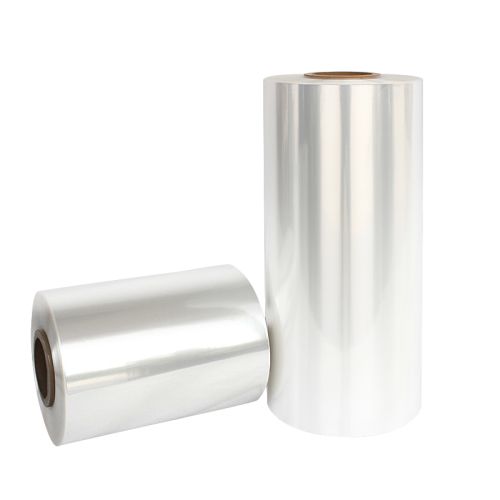
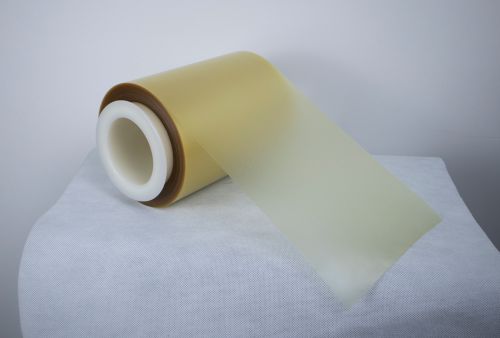
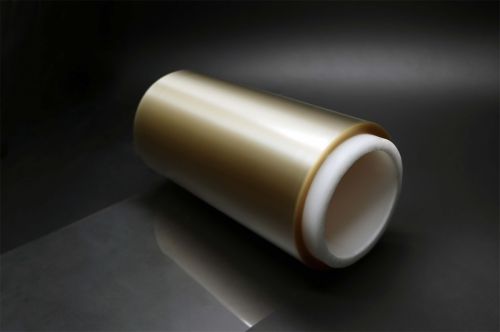
Buying ultra-thin dielectric film is not simply a price and thickness decision. A BOPP capacitor film supplier audit should determine whether the supplier can repeatedly deliver the exact grade, slit width, roll condition, cleanliness, and documentation required by the capacitor design. A film may look acceptable on a laboratory sample but behave differently after metallizing, slitting, winding, heat treatment, and electrical endurance testing.
Dafu's ultra-thin BOPP capacitor film portfolio includes products for different temperature categories and micron-level gauges. Procurement should therefore identify the precise product code and intended duty before asking for a quotation.
Start with the Capacitor, Not a Generic Film Name
Give the supplier the capacitor type, target film thickness, metallization route, winding equipment, operating temperature, electrical stress, expected service conditions, and required qualification tests. Separate the material specification from the finished-capacitor rating: film data supports screening, but it does not establish the voltage or lifetime of every capacitor design.
The available Dafu literature lists DFMG, DFMH, DFMS, and DFMU product series with different thickness and service-temperature ranges. Confirm which series is offered, what values are specifications rather than typical laboratory results, and which test methods apply. Do not allow a quotation to state only “capacitor-grade BOPP.”
Audit Thickness, Flatness, and Winding Inputs
Ultra-thin film gives the winding process less tolerance for local thickness variation, wrinkles, contamination, edge damage, or unstable tension. Ask how the supplier measures thickness across and along the web, controls transverse flatness, identifies weak points, and separates nonconforming material.
Dafu's overview of the role of BOPP film in power capacitors explains why dielectric behavior and process quality must be considered together. During the audit, request a roll map or agreed inspection record instead of relying only on one average thickness value.
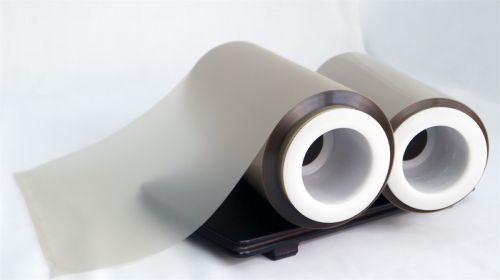
Slitting deserves its own review. Confirm finished width, tolerance, edge quality, winding direction, core, roll length, splice rules, roll hardness, packaging, and handling instructions. The supplier should be able to explain how the slitting process prevents scratches, telescoping, blocking, and edge defects.
Check Cleanliness and Traceability
Particles and handling damage become more significant as the film becomes thinner. Review production-environment controls, material flow, operator practices, inspection lighting, equipment cleaning, packaging, and storage. Dafu states that capacitor film production uses controlled temperature and humidity and a 10,000-grade clean workshop; buyers should still agree on the evidence needed for their program.
Traceability should connect each finished roll to the product code, production lot, master roll, slitting record, inspection results, and shipment. Ask how retained samples are stored and how a complaint is traced. A useful certificate should identify the exact supplied lot, not repeat a generic brochure table.
Compare Capacity with Change Control
Production capacity matters only when the approved construction remains controlled. Discuss normal lead time, minimum order quantity, trial-roll availability, contingency planning, and how demand changes will be handled. Then define which changes require notification: resin source, formulation, line, stretching route, treatment, inspection method, slitter, core, packaging, or specification limit.
The article on 2μm BOPP film for smaller DC-link capacitors shows why gauge reduction must be qualified through the whole manufacturing route. A new line or process may improve capability, but it should not enter an approved program without documented comparison and customer review.
Use a Staged Approval Plan
Begin with documents and representative samples. Continue with metallization and winding trials using the intended equipment. Record tension, static, edge behavior, wrinkles, scrap, winding geometry, heat-treatment response, and electrical screening. The final gate should test representative capacitors under the applicable customer and safety requirements.
Procurement should lock the commercial order to the approved product code, thickness, width, roll configuration, packaging, certificate, and change-control agreement. This prevents a successful trial from being followed by a technically different production shipment.
Include complaint handling in the audit. Agree on response timing, containment information, sample return, roll identification, root-cause evidence, and corrective-action follow-up. A supplier's technical value is demonstrated not only by a passing trial, but also by its ability to isolate variation and protect ongoing capacitor production when an abnormal result appears.
FAQ
What is the first item in a BOPP capacitor film supplier audit?
Confirm the exact product code, thickness, temperature category, width, roll format, and test methods. A family name is not a complete purchasing specification.
Is a 2μm sample enough to approve a supplier?
No. The film should be evaluated after the intended metallizing, slitting, winding, heat treatment, and finished-capacitor tests.
Which roll details should appear on the purchase order?
Include width and tolerance, roll length, core, winding direction, splice limits, packaging, identification, certificate requirements, and approved change-control terms.
Why is traceability important for capacitor film?
It allows a weak point or winding problem to be connected with a specific production and slitting history, supporting containment and root-cause work.
Discuss a Controlled Trial
Send Dafu the capacitor application, selected gauge, slit width, metallization and winding route, temperature duty, forecast volume, and required tests. Request a grade-specific data package and representative trial rolls before commercial approval.