Why PC/PMMA Film Is Used in Modern Displays
Automotive displays, smartphones, control panels, smart appliances, and other electronic products require materials that provide both attractive appearance and practical durability.
A display cover must transmit light clearly, maintain accurate colors, resist scratches, survive handling and impact, tolerate heat, and support printing or forming. A single conventional plastic may perform well in one area but create limitations in another.
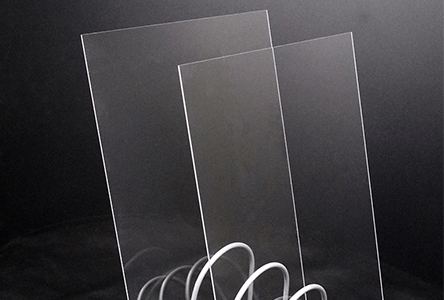
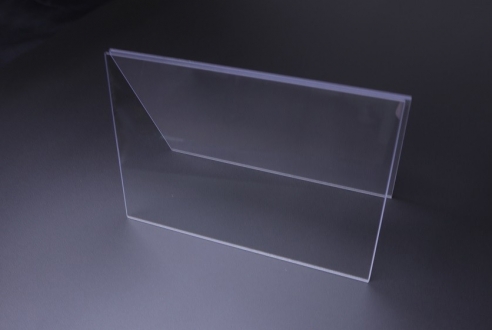
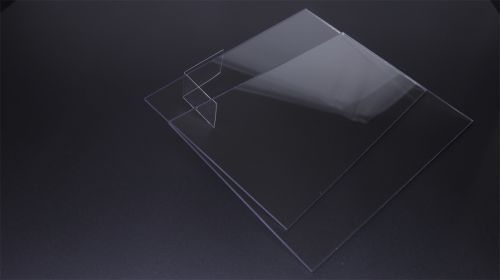
PMMA is known for transparency and surface appearance, while PC provides strong impact resistance and heat performance. PC/PMMA Film is designed to combine these advantages within one material solution.
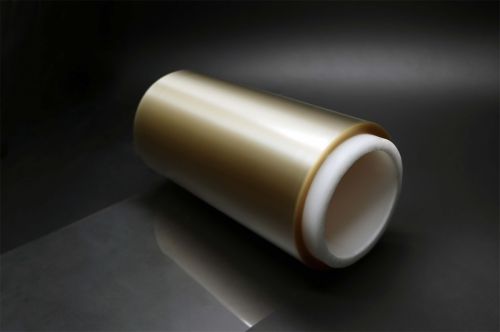
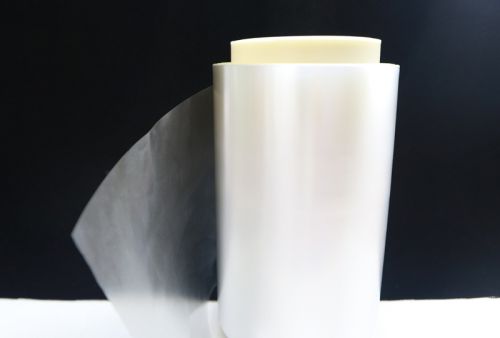
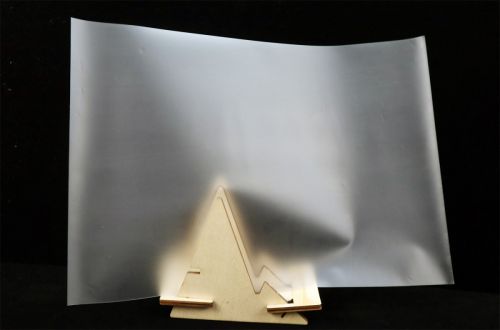
Dafu PC/PMMA Film offers up to 92% light transmission, surface hardness above 3H, impact strength eight to ten times that of ordinary PMMA, and heat deformation resistance above 130°C. Its thickness range of 0.07 mm to 3 mm provides options for both thin-film and structural applications.
Optical Clarity as a Primary Selection Factor
For a display cover, transparency is not simply a cosmetic feature. It affects brightness, contrast, color reproduction, text readability, and the overall user experience.
Dafu PC/PMMA Film provides light transmission up to 92%, approaching the clarity expected from optical applications. This can help displays appear bright and clear without requiring excessive backlight power.
However, total light transmission is only one part of optical performance. Buyers should also evaluate:
Haze
Yellowing
Color consistency
Surface waviness
Optical distortion
Black spots and visible inclusions
Thickness uniformity
Reflection and glare
Appearance after printing or forming
A material with high nominal transmission may still be unsuitable for a premium display if it creates distortion or visible defects. Samples should therefore be tested over an operating display rather than inspected only under general room lighting.
For automotive applications, testing should include viewing from different angles because drivers and passengers may not look at the display directly from the front.
Surface Hardness Above 3H
Display covers and decorative panels are frequently touched, cleaned, and exposed to dust or small abrasive particles. Insufficient surface hardness can lead to scratches that reduce clarity and make the product appear worn.
Dafu PC/PMMA Film offers surface hardness above 3H. This improves resistance to ordinary scratching and supports use in consumer electronics, automotive interiors, and other frequently handled products.
Pencil hardness results should be interpreted according to the test method, load, surface condition, and sample preparation. Buyers should confirm that supplier data and internal tests use comparable procedures.
Surface hardness should also be evaluated after printing, coating, forming, or lami nation. Processing may alter the final surface condition. If additional hard coating is used, adhesion between the coating and PC/PMMA surface should be tested after thermal aging, humidity exposure, and repeated cleaning.
Scratch resistance is not the same as complete scratch immunity. Product designers should still specify suitable cleaning materials and avoid highly abrasive chemicals or tools.
Impact Strength for Durable Display Covers
Pure PMMA provides excellent clarity but may be vulnerable to cracking or breakage under impact. PC offers much greater toughness, making it useful where durability is essential.
Dafu PC/PMMA Film has an impact strength approximately eight to ten times that of ordinary PMMA. This helps the material withstand accidental drops, collisions, assembly pressure, and daily handling.
Impact performance is especially important in automotive displays, mobile devices, equipment panels, and products installed in public environments. A cracked cover can impair appearance, expose internal components, or create sharp edges.
Buyers should test impact performance using the actual thickness and formed geometry. Flat-sheet data may not represent a component with holes, sharp corners, printed areas, or molded features.
The supporting frame and method of attachment also affect performance. Stress concentrations around screws, clips, or adhesive edges may cause failure even when the base material has strong impact resistance.
Heat Deformation Resistance Above 130°C
Automotive interiors can reach high temperatures when vehicles are parked in direct sunlight. Electronic displays also generate internal heat during operation. Materials used near lighting, batteries, or control systems may face additional thermal stress.
Dafu PC/PMMA Film has a heat deformation temperature above 130°C, supporting applications in which dimensional stability at elevated temperatures is important.
Buyers should distinguish heat deformation temperature from continuous operating temperature. Heat deformation testing measures behavior under defined load and conditions; it does not automatically define the maximum temperature for every finished component.
Thermal validation should include:
Maximum service temperature
Duration of heat exposure
Heating and cooling cycles
Component load and mounting pressure
Dimensional change
Warping or curling
Adhesive and ink compatibility
Optical changes after aging
For automotive applications, combined temperature and humidity testing is particularly useful because materials and printed layers may expand at different rates.
Flexible Thickness and Width Options
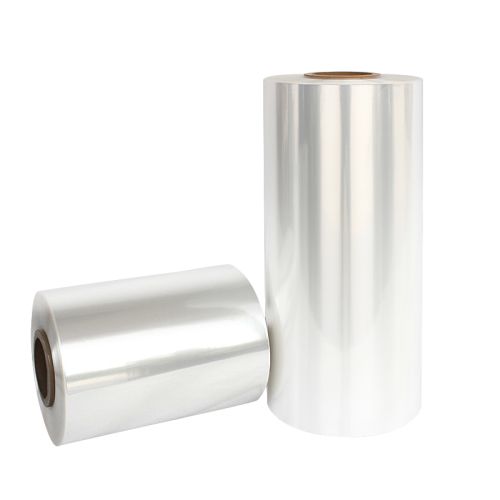
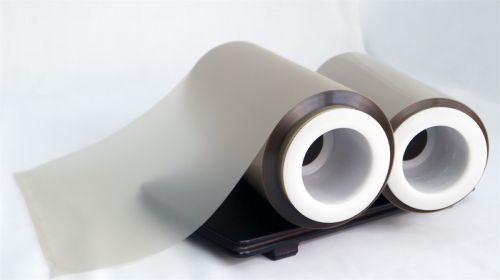
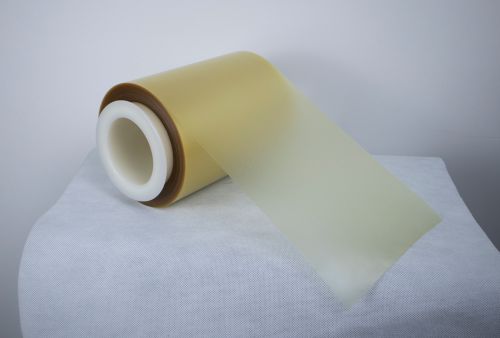
Dafu PC/PMMA Film is available in thicknesses ranging from 0.07 mm to 3 mm, with widths of 1,320 mm or more. This range allows the material to support different design and processing requirements.
Thin gauges may be suitable for film-based decoration, functional layers, labels, or compact electronic components. Greater thicknesses may be used for display covers, structural decorative panels, or formed components.
Wide material can improve production efficiency for large automotive displays and multi-part layouts. It may reduce the number of joints and support optimized cutting arrangements.
Buyers should specify more than nominal thickness and width. Important dimensional requirements may include:
Thickness tolerance
Width tolerance
Diagonal accuracy
Flatness
Edge quality
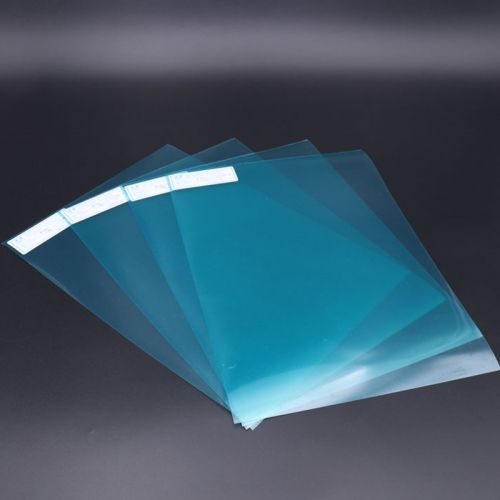
Roll or sheet format
Surface-protection film
Winding direction
Usable width after edge trimming
The appropriate tolerance depends on the processing method. Screen printing, die cutting, thermoforming, CNC machining, and optical lamination may have different requirements.
Automotive Display Applications
Modern vehicles use larger and more numerous displays for instrument clusters, navigation, entertainment, climate control, and passenger information. These displays require cover materials that remain attractive and reliable throughout the vehicle’s service life.
PC/PMMA Film can be considered for:
Instrument-cluster covers
Center-console displays
Touch-control panels
Automotive decorative trims
Climate-control interfaces
In-vehicle entertainment screens
Backlit control panels
Automotive buyers should evaluate optical clarity, scratch resistance, impact performance, heat aging, humidity, chemical resistance, and dimensional stability.
Cleaning-agent compatibility is also important. Vehicle interiors may be cleaned with alcohol-based products, detergents, or disinfectants. The finished printed and coated structure should be tested with the intended chemicals.
Display readability should be examined under bright sunlight and at night. Reflection, glare, printed black borders, and bonding layers can all influence visual performance.
Consumer Electronics and Smart Devices
PC/PMMA Film can also be used in smartphones, smart-home products, electronic control panels, camera decorations, wearable devices, and other consumer applications.
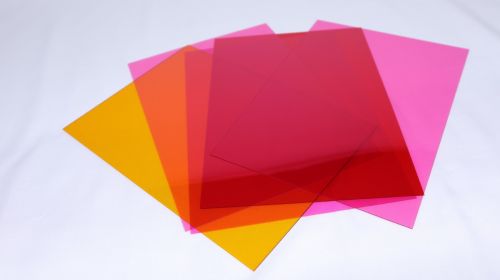
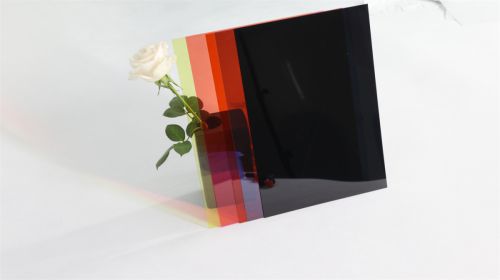
These products often require a premium appearance combined with resistance to drops, scratches, and daily handling. Color printing, decorative textures, logos, and functional windows may be incorporated into the material.
For smartphone or electronic-device components, buyers should evaluate whether the film will be used as an external cover, decorative layer, printed insert, or internal support. The required thickness and processing method will vary accordingly.
Color consistency is especially important in mass-produced electronics. Buyers should define acceptable color tolerances and evaluate different production batches under controlled lighting.
If the component covers sensors, indicators, or cameras, local optical requirements may be stricter than those of the surrounding decorative area.
Printing and Decoration
PC/PMMA Film can support decorative and functional printing, making it useful for control panels, display borders, logos, icons, and automotive interior parts.
Printing may be placed on the exposed surface or protected behind the transparent layer, depending on the component design. Reverse printing can help protect graphics from abrasion, although the optical appearance and adhesive system must be considered.
Before mass production, converters should verify:
Ink adhesion
Color accuracy
Opacity of black borders
Registration
Drying or curing conditions
Resistance to heat and humidity
Compatibility with forming
Adhesive or optical-bonding performance
Resistance to cleaning chemicals
Printing inks can behave differently during thermoforming because the printed area stretches with the substrate. The design should account for distortion, especially around deep shapes and sharp corners.
Forming and Fabrication
Depending on thickness and application, PC/PMMA Film may be die-cut, laminated, printed, thermoformed, CNC-machined, or incorporated into an in-mold decoration process.
Processing conditions should be developed for the specific material and component. Excessive heat can affect optical appearance, while insufficient heating may create stress or poor forming definition.
Tool design should avoid sharp transitions that concentrate stress. Protective film should remain in place for as long as practical to reduce scratches during transport and fabrication.
If the material is bonded to a display, optical adhesive selection is important. Bubbles, dust, uneven adhesive thickness, or mismatched refractive behavior can reduce clarity.
Manufacturers should test the complete process using production-scale equipment because laboratory forming conditions may not represent actual line speed and tool geometry.
Balancing Hardness and Impact Resistance
One of the main purchasing reasons for PC/PMMA Film is its balance of properties. Buyers do not need to choose only the surface appearance of PMMA or only the toughness of PC.
The material offers up to 92% light transmission and surface hardness above 3H while providing impact strength eight to ten times that of ordinary PMMA. It also offers heat deformation resistance above 130°C.
The final component performance still depends on thickness, layer configuration, forming conditions, coatings, printing, mounting method, and operating environment.
Engineering teams should prioritize the requirements that are most important for the application. A decorative trim may emphasize color and surface appearance, while an automotive display cover may require tighter optical and thermal control.
Quality Requirements for Optical Materials
Optical-grade applications require strict control of visible defects. A small inclusion or surface mark that is acceptable in an industrial cover may be highly noticeable over a bright display.
Buyers should establish an inspection standard that defines:
Inspection lighting
Viewing distance and angle
Acceptable defect size
Critical and noncritical zones
Limits for black spots, bubbles, lines, and scratches
Haze and transmission requirements
Color-difference limits
Flatness and waviness
Protective-film requirements
The standard should be agreed upon before mass production. Descriptions such as “high transparency” or “optical quality” are too general unless supported by measurable criteria and approved samples.
Golden samples can help the supplier and buyer maintain consistent visual judgment.
Questions to Ask a PC/PMMA Film Supplier
International customers should examine the supplier’s ability to provide both material data and consistent production.
Important questions include:
Which thicknesses and widths are available?
What are the standard dimensional tolerances?
How are light transmission and haze measured?
How is surface hardness tested?
What test method supports the impact-strength comparison?
What is the stated heat deformation temperature?
Is the material supplied in rolls or sheets?
What protective masking is available?
Can the material be printed, formed, or laminated?
Are samples available for optical and processing trials?
How are visual defects and batch consistency controlled?
Buyers should also describe the final application, processing route, optical requirements, operating temperature, and expected chemical exposure. This helps reduce the risk of selecting an unsuitable grade.
Conclusion
Dafu PC/PMMA Film combines optical clarity, surface hardness, impact strength, heat resistance, and flexible dimensions for automotive displays, consumer electronics, decorative components, and control panels.
With light transmission up to 92%, surface hardness above 3H, impact strength eight to ten times that of ordinary PMMA, and heat deformation resistance above 130°C, the material addresses several major concerns in display-cover design.
Successful selection still requires testing of the complete component. Buyers should evaluate optical defects, printing, forming, bonding, thermal aging, chemical resistance, mounting stress, and batch consistency. When these factors are properly controlled, PC/PMMA Film can provide a practical balance between premium appearance and long-term durability.