Why PEI Film Is Used in Demanding Insulation Systems
Electrical and electronic components are becoming smaller while power density and operating temperatures continue to increase. Insulation materials must fit into compact spaces and maintain stable performance under heat, voltage, pressure, vibration, and repeated operating cycles.
Standard plastic films can be suitable for moderate environments, but prolonged heat may cause shrinkage, deformation, embrittlement, or deterioration of electrical properties.
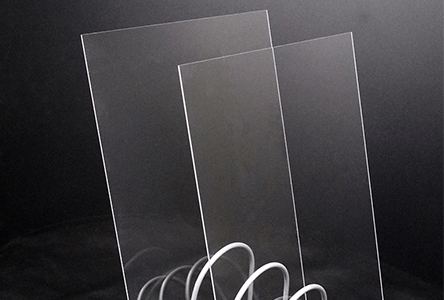
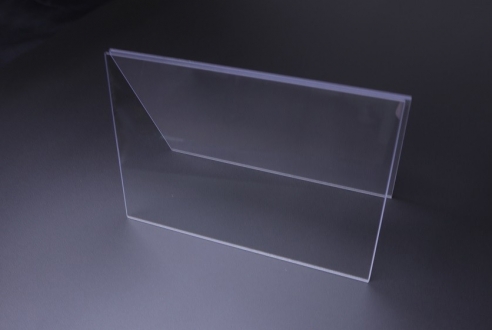
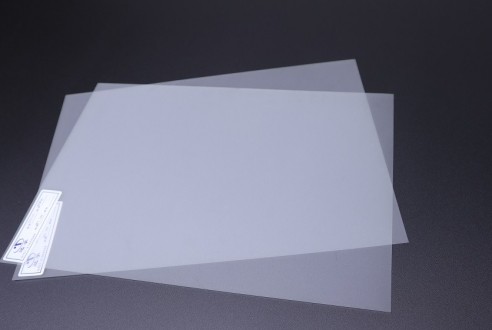
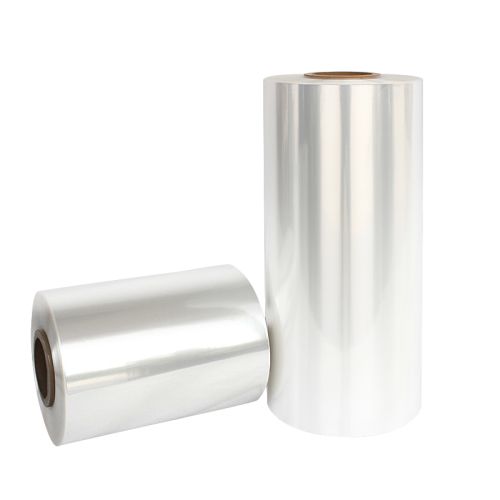
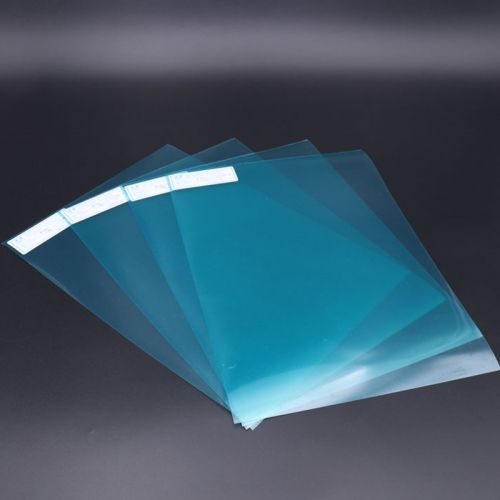
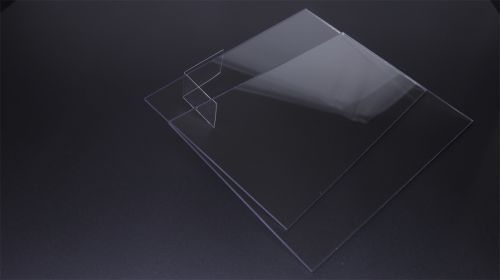
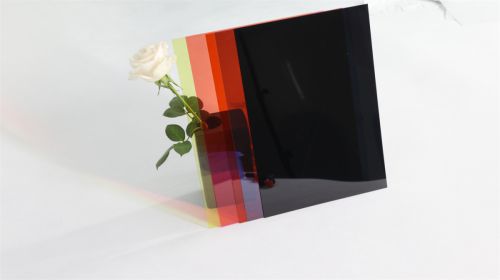
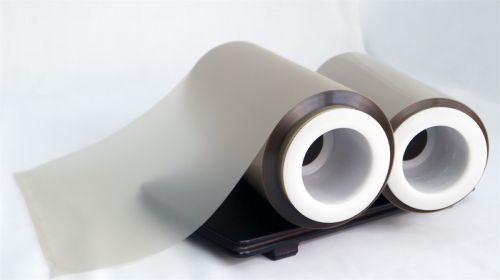
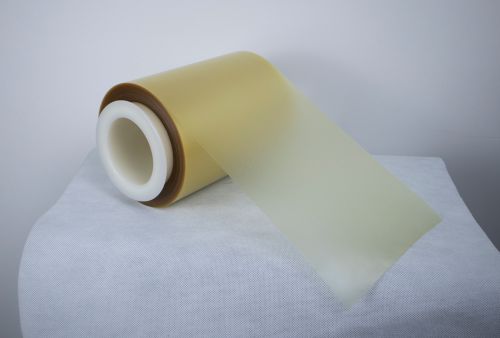
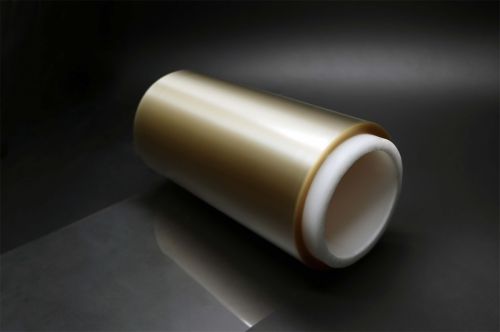
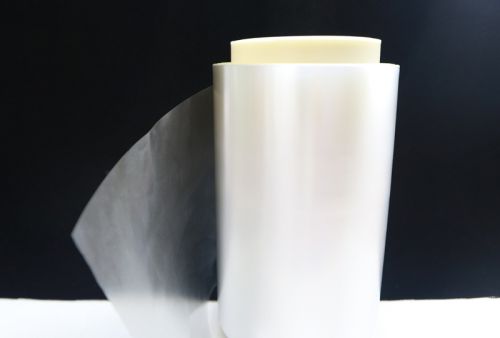
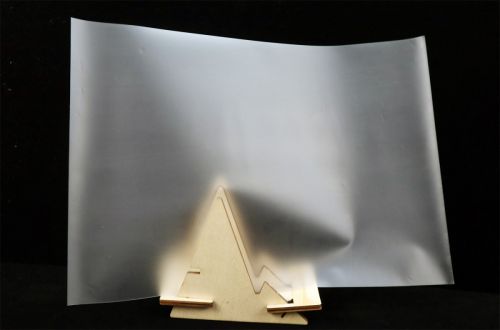
PEI Film, made from polyetherimide, is a high-performance engineering thermoplastic film. Dafu PEI Film provides continuous heat resistance up to 170°C together with electrical insulation, dimensional stability, resistance to creep and fatigue, and inherent flame resistance.
This combination makes PEI Film particularly useful when buyers require better thermal and mechanical stability than standard films but do not need the 260°C continuous heat resistance of PEEK Film.
Continuous Heat Resistance Up to 170°C
Dafu PEI Film can maintain long-term performance at temperatures up to 170°C. This makes it relevant to electrical components exposed to sustained heat rather than only short temperature peaks.
Buyers should distinguish continuous service temperature from short-term temperature resistance and heat deformation data. These values describe different material behaviors.
An application may briefly reach a high temperature but normally operate at a much lower level. Another component may remain near its maximum operating temperature for thousands of hours. Thermal cycling can create additional stress as materials expand and contract.
When selecting PEI Film, engineers should define:
Normal operating temperature
Maximum short-term temperature
Duration of thermal exposure
Number of heating and cooling cycles
Mechanical load at temperature
Required service life
Contact with adhesives or chemicals
Acceptable dimensional change
The completed insulation system should be tested after thermal aging because performance depends on the film, adhesive, component design, and processing history.
Electrical Insulation for Compact Designs
PEI Film provides electrical insulation for applications such as charging equipment, insulation modules, motors, coils, generators, electrical barriers, and electronic assemblies.
Possible functions include:
Interlayer insulation
Phase separation
Coil wrapping
Slot insulation
Die-cut electrical barriers
Component isolation
Protective insulation around conductors
Insulation inside charging modules
Buyers should specify operating voltage, dielectric requirements, film thickness, clearance, creepage distance, humidity, and expected contamination.
A material data sheet cannot fully predict the performance of a finished part. Cutting, forming, holes, edges, folds, adhesives, and assembly pressure may affect electrical reliability.
Testing should reproduce the geometry of the final component. A flat film sample may perform differently from a tightly formed or die-cut insulation part.
Dimensional Stability and Manufacturing Accuracy
Dimensional stability is one of the major advantages of PEI Film. In precision electrical assemblies, uncontrolled shrinkage or deformation can change clearances, create stress, or interfere with automated production.
Dafu PEI Film maintains stable dimensions under elevated temperatures, supporting parts that require tight tolerances.
This is relevant to:
Die-cut insulation components
Printed electronic parts
Charging modules
Electrical spacers
Control-system components
Precision medical-device parts
Repeatedly sterilized equipment
Buyers should define thickness tolerance, width, flatness, shrinkage limits, and edge quality. The required accuracy depends on the processing method and final assembly.
Thermal exposure during printing, adhesive curing, thermoforming, or component operation should be included in dimensional testing.
Resistance to Creep and Fatigue
Creep occurs when a material gradually deforms under sustained load, particularly at elevated temperatures. Fatigue results from repeated mechanical stress or movement.
Dafu PEI Film offers resistance to creep and fatigue, helping it maintain shape and function in components subjected to long-term pressure or repeated operating cycles.
This property is important in insulation parts held between components, clamped under pressure, or exposed to vibration. Loss of thickness or shape could change electrical clearances or weaken mechanical support.
Creep and fatigue performance depend on temperature, load, film thickness, component geometry, and cycle frequency. Buyers should test the actual part under representative conditions rather than relying only on general material descriptions.
The component design should distribute pressure evenly and avoid sharp edges that create local stress concentrations.
Inherent Flame Resistance
PEI Film has inherent flame-resistant characteristics, making it attractive for electrical and electronic applications where reducing ignition and flame-spread risk is important.
Inherent flame resistance means the property comes from the polymer structure rather than only an applied surface treatment. However, the fire performance of a finished component depends on thickness, orientation, surrounding materials, ventilation, and the relevant test method.
Buyers should not assume that a general flame-resistance description automatically satisfies a specific regulatory classification. Required test documentation should be confirmed for the exact grade, thickness, and target market.
Adhesives, inks, coatings, and neighboring components may also change the behavior of the finished assembly.
PEI Film in Charging Equipment
Charging piles and charging modules contain electrical components that may generate heat during extended operation. Materials must maintain insulation and dimensional stability while fitting into compact spaces.
PEI Film is relevant to conventional charging and insulation modules because it combines 170°C continuous heat resistance, electrical insulation, stable dimensions, and fatigue resistance.
Potential uses include electrical barriers, die-cut insulation parts, interlayer insulation, protective wrapping, and separation between conductive components.
Qualification should consider:
Operating voltage
Heat generated during charging
Ventilation and thermal management
Humidity
Mechanical pressure
Installation method
Expected charging cycles
Cleaning or maintenance chemicals
Required flame performance
The film should be evaluated as part of the complete electrical design, not as an isolated material.
Motor and Coil Insulation
PEI Film may also be used in motors, coils, generators, and other wound electrical systems where temperatures exceed the comfortable range of conventional insulation films.
During production, insulation may be inserted, wrapped, folded, or die-cut. It must withstand assembly without cracking, tearing, or creating sharp edges.
During operation, the film may face heat, voltage, vibration, and contact with varnishes or oils. Compatibility with every material in the insulation system should be tested.
PEI Film can provide a balanced option when long-term temperatures are around or below its recommended operating range. If the application requires substantially higher heat resistance, stronger chemical resistance, or more extreme wear performance, PEEK Film may be more appropriate.
Repeated Steam Sterilization
PEI Film is also relevant to medical equipment exposed to repeated high-temperature and high-pressure steam sterilization. Its heat resistance and dimensional stability help components maintain their structure through repeated processing.
Potential applications may include insulation or functional components within surgical-tool handles, sterilization trays, containers, and related equipment.
Steam sterilization combines heat, pressure, moisture, and repeated cycling. Buyers should test the exact material thickness, component geometry, adhesive, printing, and sterilization program.
Evaluation should include:
Dimensional change
Cracking or embrittlement
Color change
Bonding performance
Electrical properties
Surface condition
Mechanical strength
Functional performance after repeated cycles
Suitability for a medical application must be assessed according to the complete device and applicable regulatory requirements. General PEI properties alone do not constitute medical approval.
Comparing PEI Film with PET and PEEK Film
PET Film is widely used for electrical insulation because it offers good processing and cost efficiency. However, its long-term temperature capability is typically lower than that of PEI.
Dafu PEI Film provides continuous heat resistance up to 170°C, better dimensional stability at elevated temperatures, and inherent flame resistance. It is appropriate for applications that exceed the practical thermal range of standard PET Film.
Dafu PEEK Film offers long-term heat resistance up to 260°C together with stronger wear and chemical resistance. It is designed for more extreme operating environments.
PEI Film occupies a useful middle position. It can offer sufficient performance for charging equipment, conventional insulation modules, electronics, and sterilizable components without requiring the cost level of PEEK in applications that do not need 260°C capability.
The most economical material is the lowest-cost option that reliably satisfies the entire service requirement—not simply the cheapest film or the film with the highest specifications.
Processing and Die-Cutting Considerations
PEI Film may be slit, die-cut, printed, laminated, formed, or bonded into a finished component.
Converters should evaluate:
Thickness tolerance
Flatness
Edge quality
Burrs after cutting
Hole and slot accuracy
Minimum bend radius
Surface cleanliness
Adhesive compatibility
Thermal processing conditions
Protective packaging
Sharp cutting tools and stable process control help prevent rough edges or microcracks. Parts used for electrical insulation should be inspected carefully around holes, corners, and narrow sections.
Adhesive selection requires testing because bond strength may change after heat aging, humidity exposure, or steam sterilization. Surface treatment or preparation may be needed depending on the adhesive and component design.
Total Cost and Material Optimization
PEI Film is more specialized than standard PET Film, but it may reduce lifecycle cost when heat, dimensional change, or fatigue would otherwise cause component failure.
Buyers should compare:
Material cost per finished part
Required film thickness
Die-cutting yield
Production speed
Scrap rate
Component service life
Failure risk
Replacement and maintenance cost
Qualification expense
Potential for component miniaturization
Using PEEK where PEI is fully adequate may increase cost without meaningful benefit. Using PET where PEI is required may reduce the initial price but create reliability problems.
Material optimization depends on defining the real operating environment accurately.
Questions to Ask a PEI Film Supplier
International buyers should request clear answers to the following questions:
What continuous operating temperature is recommended?
Which thicknesses and widths are available?
How is thickness tolerance controlled?
What electrical-property information is available?
What dimensional-change data are available?
What flame-performance documentation applies to the specific grade?
Can the film withstand the intended sterilization cycle?
Which adhesives and processing methods are recommended?
Can samples be supplied for die-cutting and assembly trials?
How are surface quality and batch consistency controlled?
The supplier should be informed about temperature, voltage, mechanical load, sterilization, chemicals, and required service life.
Conclusion
Dafu PEI Film provides continuous heat resistance up to 170°C together with electrical insulation, dimensional stability, creep and fatigue resistance, and inherent flame resistance.
It can be considered for charging equipment, insulation modules, motors, electrical components, medical equipment, and parts exposed to repeated high-temperature sterilization.
PEI Film is especially valuable when conventional PET does not provide enough thermal stability but the extreme performance of PEEK is unnecessary. By evaluating actual operating temperature, voltage, mechanical stress, processing, sterilization, and lifecycle cost, buyers can select a technically reliable and economically balanced insulation material.