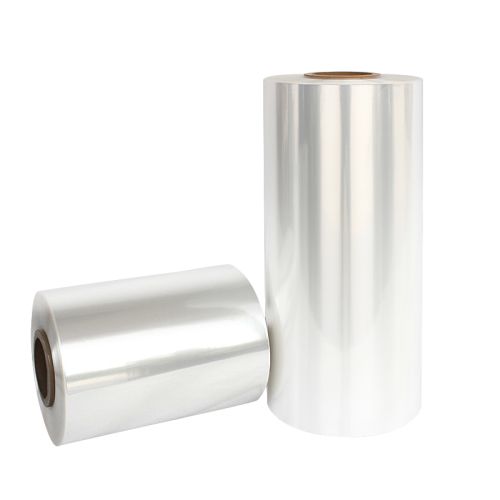
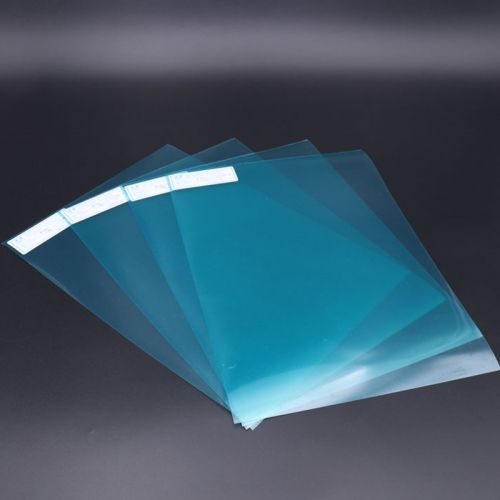
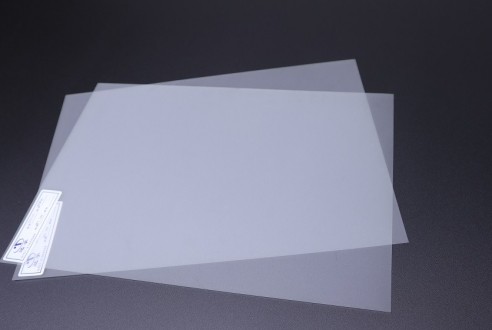
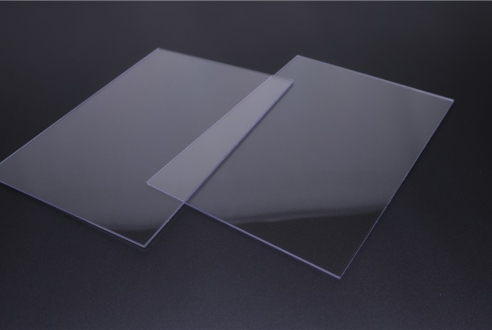
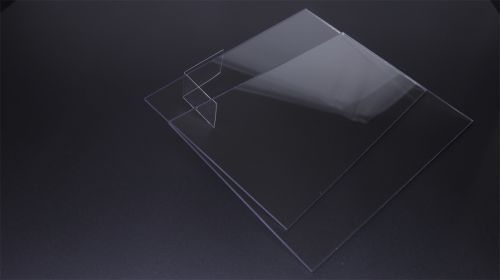
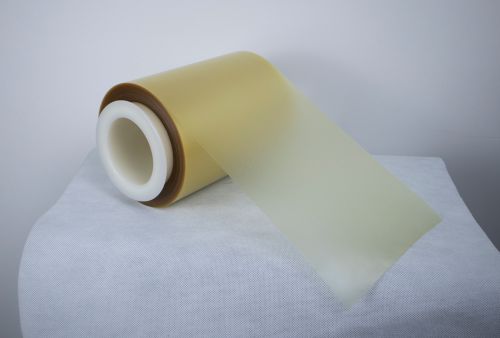
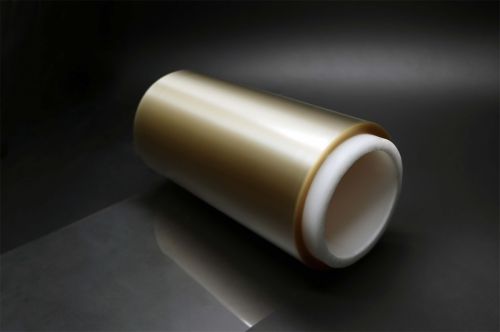
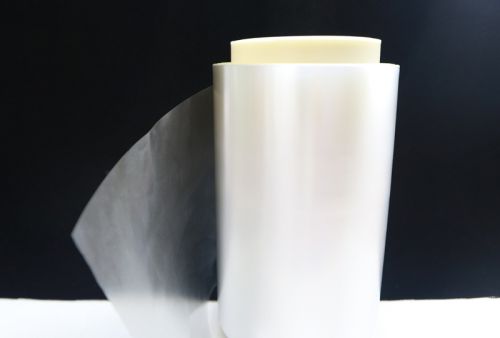
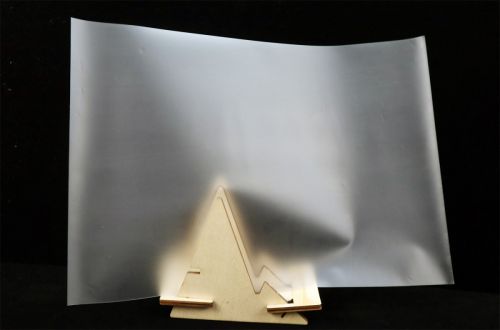
Ultra-thin PMMA film is often evaluated when a component needs a clear, lightweight surface layer, decorative function, optical appearance, or a thin acrylic layer that can be converted more easily than a rigid sheet. The procurement risk is that “PMMA film” does not define thickness tolerance, surface quality, roll construction, optical zones, or downstream processing.
Begin with Dafu’s ultra-thin PMMA film product page, then build the request for quotation around the finished part and converting process.
Define the film’s job before requesting samples
Tell the supplier whether the film will serve as an optical window, decorative layer, protective surface, printed overlay, laminate component, formed part, or precision die-cut component. Include the expected lighting, viewing distance, surface contact, temperature, chemicals, and mechanical load.
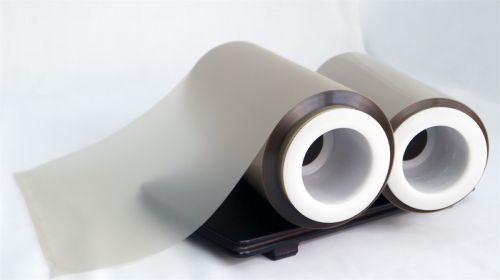
A useful RFQ states nominal thickness and tolerance, width, roll or sheet format, color, surface orientation, optical requirements, masking, core, roll diameter, winding direction, splice policy, packaging, and required test documents.
Ask how thickness is controlled
As film becomes thinner, local gauge variation has a greater effect on stiffness, optical appearance, winding, coating weight, lamination pressure, and die-cut feeding. Average thickness alone does not show the cross-web and machine-direction profile.
Ask how gauge is measured, what tolerance is available for the proposed product code, and whether the supplier can provide a representative profile. Converting trials should monitor wrinkles, curl, tracking, static, blocking, and edge damage.
Convert “high transparency” into measurable limits
Optical procurement should address transmission, haze, color, surface waviness, black spots, inclusions, scratches, and distortion. Divide the finished part into active viewing zones, printed borders, hidden areas, bonding zones, and trim areas. Each zone may need a different defect limit.
Inspection conditions should specify lighting, background, viewing distance, angle, time, and sample area. Dafu’s article about optical film requirements for displays and protective windows demonstrates why the final viewing task should control the specification.
Protect the surface through conversion
PMMA is selected frequently for its surface appearance, so damage introduced during slitting, printing, laminating, forming, or assembly can eliminate the material benefit. Confirm masking type, peel behavior, cleanliness, stacking, and which side is functional.
Test the actual ink, coating, adhesive, cleaner, and forming route. A flat sample can look acceptable but show stress, distortion, loss of adhesion, or surface marks after conversion.
Compare PMMA with composite alternatives correctly
Pure PMMA film and PC/PMMA composite film solve different design problems. If the component needs more toughness or a different forming balance, a composite may deserve evaluation. Dafu’s discussion of PC/PMMA film for electronics provides a related selection reference.
Do not switch materials based on a headline property. Compare the exact thickness, layer structure, optical zones, impact requirement, surface protection, processing yield, and finished-part validation.
Audit repeatability and technical support
Supplier qualification should include traceability, change notification, sample-to-production consistency, packaging, storage guidance, lead time, minimum order quantity, and complaint response. Ask which values are guaranteed specifications and which are typical references.
Approve the film in stages: document review, sample inspection, converting trial, finished-part testing, pilot order, and multi-lot production confirmation. Stable commercial supply matters more than one attractive sample.
FAQ
What information belongs in an ultra-thin PMMA film RFQ?
Include application, thickness and tolerance, width, surface, optical zones, roll or sheet format, masking, converting steps, quantity, and acceptance tests.
Why is average thickness insufficient?
Local and cross-web variation can influence optics, winding, coating, lamination, feeding, and finished-part dimensions.
Should PMMA film be approved before printing?
Incoming approval is only one stage. The material should also be checked after the intended printing, coating, forming, bonding, and cleaning processes.
When should PC/PMMA be considered instead?
Evaluate a composite when the part needs a different balance of surface appearance, toughness, forming, or structural behavior.
How can buyers judge supplier consistency?
Use written specifications, traceable lots, controlled changes, representative trials, consistent packaging, and results from more than one production batch.
Request an ultra-thin PMMA film trial
Send Dafu the thickness, width, optical zones, surface, converting process, and finished-part tests required for your project.