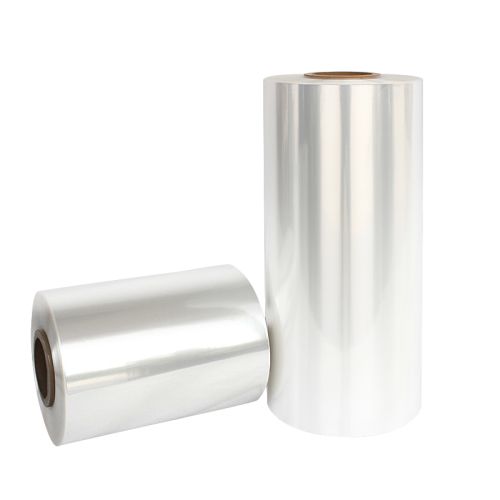
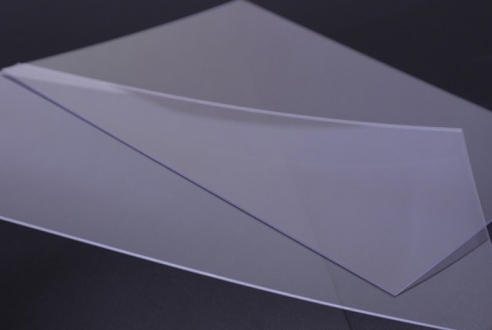
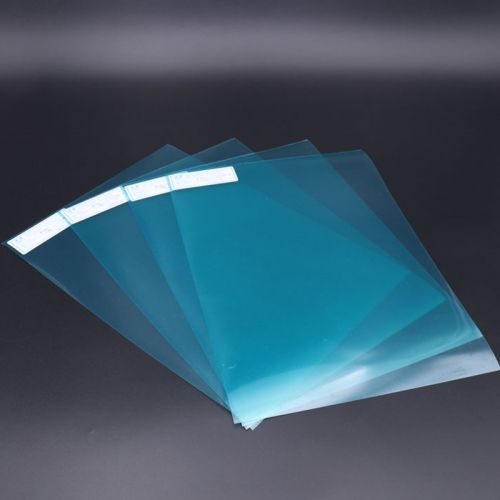
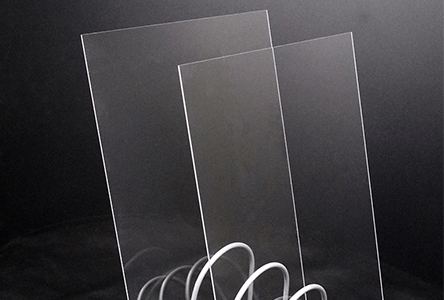
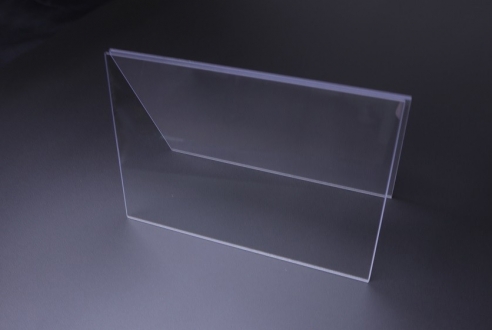
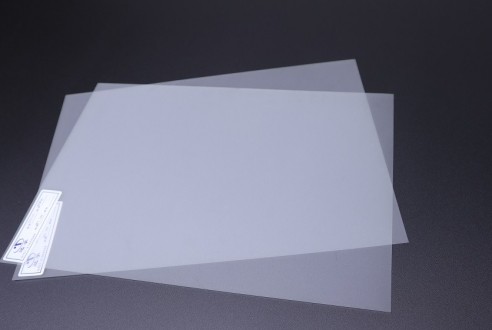
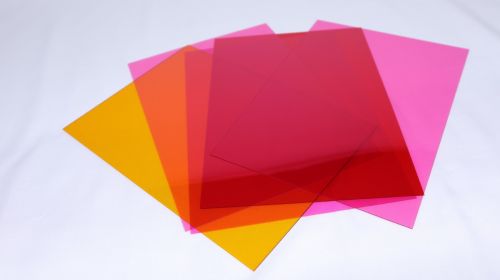
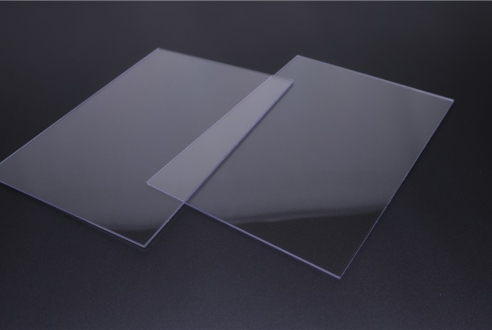
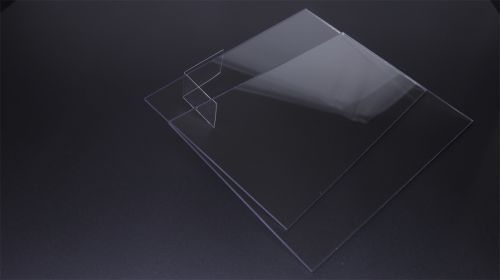
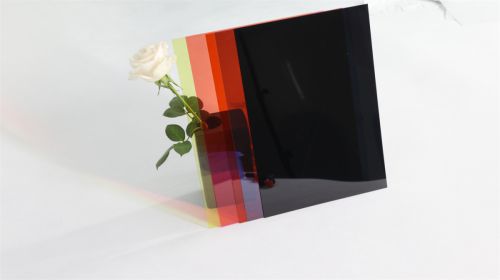
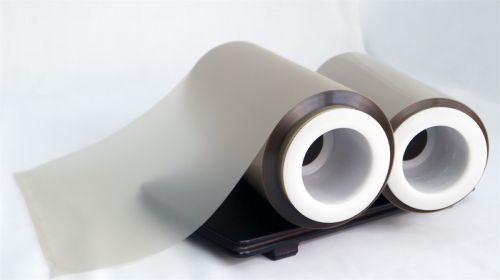
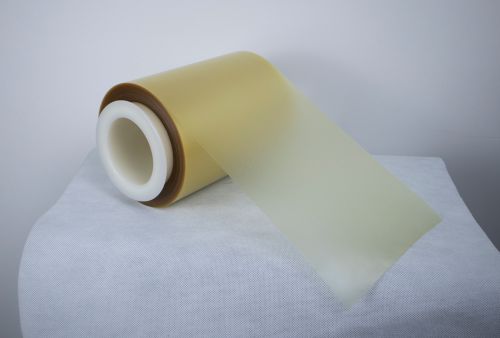
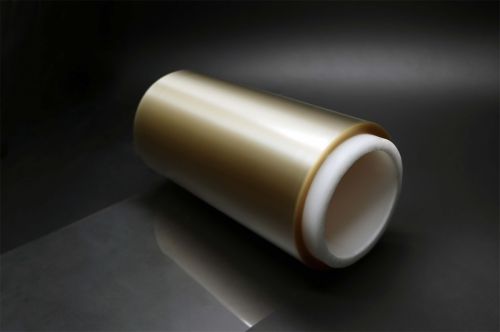
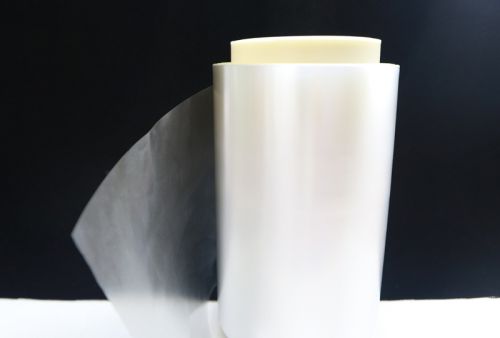
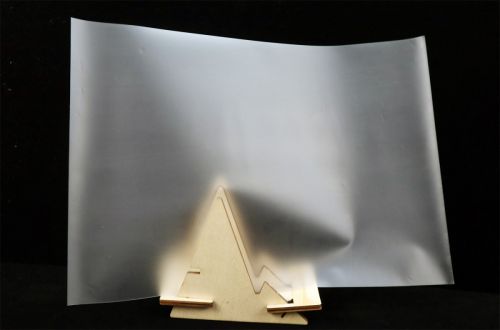
PC film should be selected from the finished panel requirement, not from a broad request for transparent polycarbonate. An optical window, a fully printed overlay and a panel with both display and graphic zones place different priorities on surface quality, ink adhesion and conversion.
An engineering plastic film manufacturer needs the artwork and optical-zone drawing before recommending a grade. Dafu separates optical-grade and printable-grade PC film within its product range. That separation helps buyers avoid paying for the wrong property while missing the critical one.
Use Optical Grade for Critical Viewing Zones
Optical-grade PC film is relevant when a display, sensor or camera must be viewed through the material. Incoming approval should cover transmittance under the agreed method, haze, distortion, color, particles, scratches and inclusions. The viewing area should have tighter cosmetic limits than hidden border zones.
Inspect the film over the actual display or optical path. Adhesive, air gaps, curvature and protective coatings can change reflections and readability. A clear flat sample does not prove the completed window will meet the equipment requirement.
Use Printable Grade when Graphics Dominate
A printable grade may be more appropriate when the main function is carrying icons, labels, opaque masks or decorative graphics. The trial should evaluate wetting, color density, opacity, registration and adhesion with the exact ink system and curing process.
Print performance cannot be transferred automatically between solvent, UV or other ink systems. Identify the print side and surface treatment, then check adhesion after cure, forming, bonding and environmental exposure. The interface that fails should be recorded.
Mixed Panels Need Zoned Acceptance
Many HMI overlays contain a clear display window beside printed buttons and borders. In that case, compare an optical grade that can support the chosen printing process with a printable grade that can meet the viewing-zone limits. Neither material should be approved from its name alone.
Create separate inspection zones on the drawing. Define allowable defects, haze, print density and registration for each zone. A minor surface mark hidden under an opaque border may be acceptable, while the same mark over a display may cause rejection.
Forming Can Change Both Optics and Graphics
If the film is thermoformed or embossed, measure thickness change, curvature, graphic movement and optical distortion on the final geometry. Printing may stretch around deep draws, and residual stress may appear later as curl or cracking near holes.
Use a grid or fiducials to separate printing error from forming distortion. Test production-intent heating, tooling and cooling. The grade that looks better flat may not provide the best finished-part yield.
Make the Grade Choice Measurable
Build a weighted comparison covering clear-zone quality, ink adhesion, forming, impact, scratch exposure, thickness, yield and total converted cost. Give the highest weight to the failure that would stop customer approval. Do not use one universal ranking for all panels.
Send Dafu the part drawing, optical and printed zones, film thickness, ink system, forming process, adhesive stack, cleaners and final tests. The technical team can then identify whether optical-grade PC film, printable-grade PC film or a separately qualified composite route best fits the project.