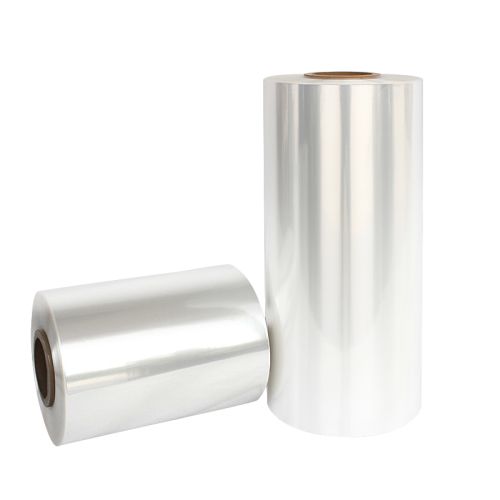
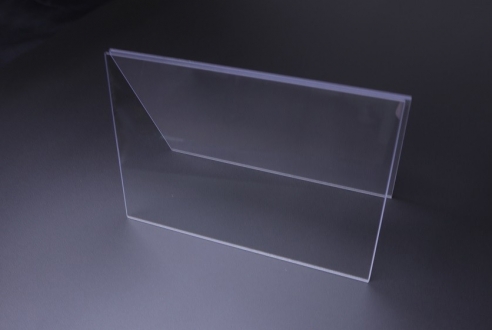
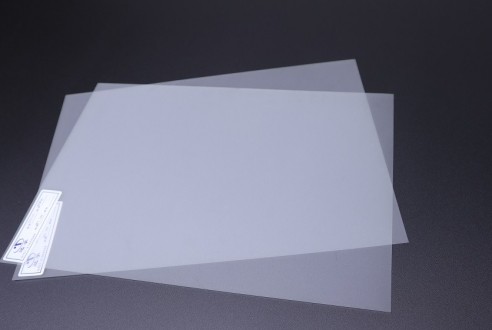
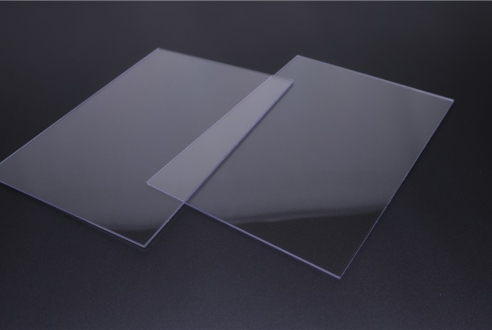
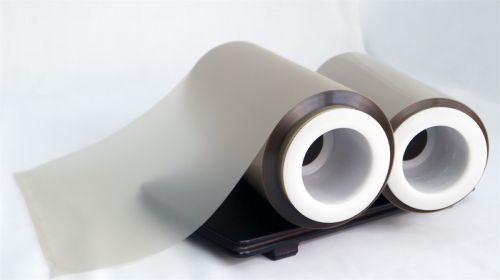
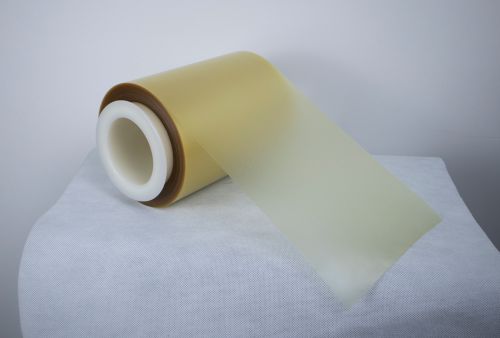
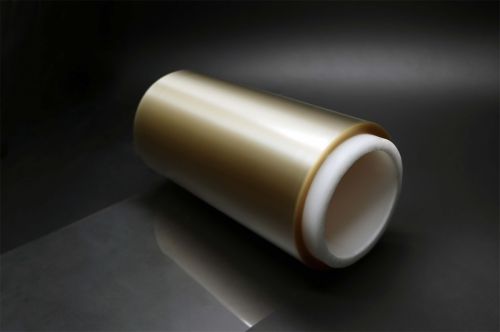
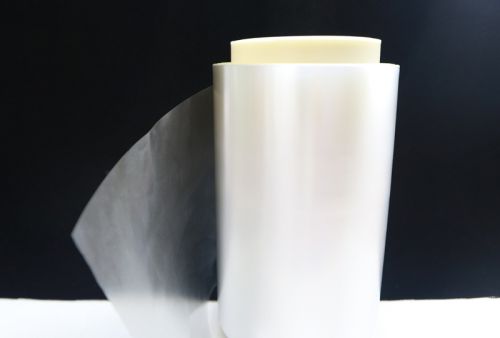
BOPP capacitor film can meet nominal thickness and dielectric requirements while contamination creates local metallization or winding defects. Dust, fibers, oil, scratches and static-attracted particles must therefore be controlled as part of the material-to-capacitor process.
An engineering plastic film manufacturer needs defect evidence from the roll and converted element. Dafu’s ultra-thin capacitor film range covers 2–4 μm conventional and high-temperature-resistant vapor-deposition types. At these gauges, small surface disturbances deserve a defined inspection and handling plan.
Classify the Defect before Blaming the Film
Record whether the defect is loose contamination, embedded material, a scratch, gel, wrinkle, oil mark or metallization skip. Photograph the feature with scale and note its roll position. Different defect types point to different sources in film production, transport, slitting, metallization or winding.
Check whether defects repeat at a constant interval. A repeating mark may indicate roller contact, while random particles may relate to air cleanliness or handling. A lane-specific pattern may come from slitting or one section of the metallizer.
Static Changes Particle Behavior
Thin BOPP moving at speed can attract particles when static is not controlled. Measure conditions at unwind, slitting, metallization and winding. Review ionization, grounding, humidity control and web path using the plant’s approved safety procedures.
Do not solve static by adding an unapproved surface treatment or cleaning chemical. Any change that leaves residue or alters metallization behavior needs a separate qualification. The base film and downstream process must remain compatible.
Protect the Film during Unwind and Slitting
Inspect packaging, roll ends, core condition and outer wraps before the roll enters production. Keep contact surfaces clean and avoid touching the active web. Slitting dust, damaged blades and poor edge removal can introduce particles that later become trapped in the winding.
Track the beginning, middle and end of each roll separately. Start-up contamination should not be mixed with steady-production data. Retain samples from cross-web positions so a problem can be compared with metallizer and winding records.
Connect Cleanliness to Metallization
A particle can shadow the deposition area, disturb the margin or transfer contamination to equipment. Inspect the metallized web for skips, streaks and local appearance changes. Link each observation back to the base-film sample and the same roll coordinate where possible.
Visual inspection is not an electrical approval. Use the capacitor maker’s agreed electrical and element tests after metallization and winding. A visible feature may be harmless in one design while an almost invisible local defect becomes important in another.
Evaluate the Wound Element
Winding can trap particles between layers, create local pressure points or amplify scratches. Record tension, speed, alignment, break frequency and rejection location. Open rejected elements carefully and preserve the layer sequence so investigators can distinguish an incoming defect from handling damage.
Send Dafu the film type, gauge, width, defect photographs, roll map, metallization settings, winding record and electrical failure location. Define cleanliness limits and sampling only after the measurement method is repeatable. A useful specification links incoming film observations with metallization yield and finished-capacitor performance.