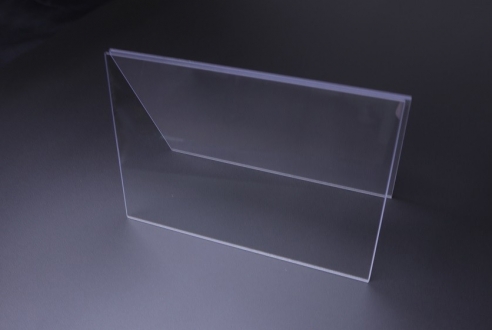
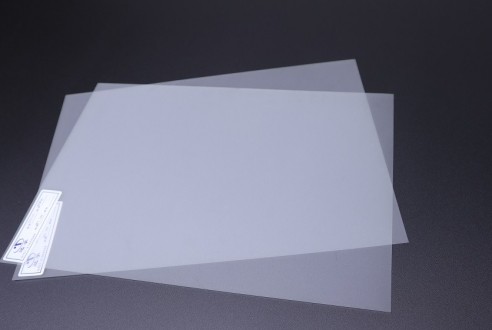
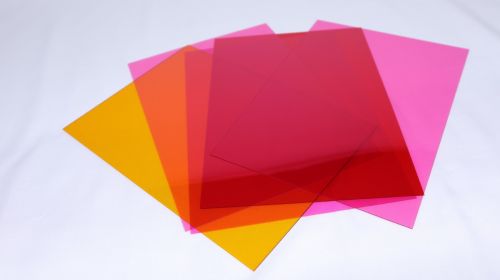
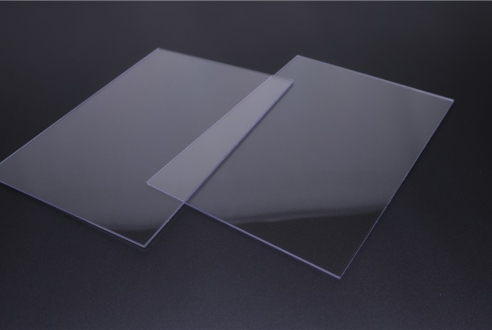
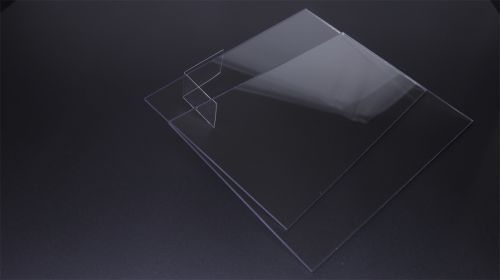
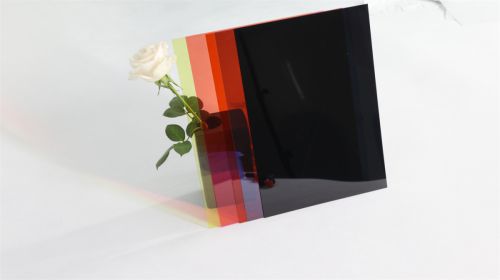
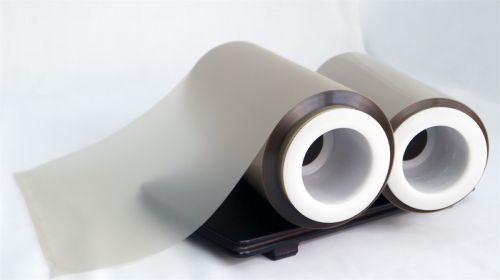
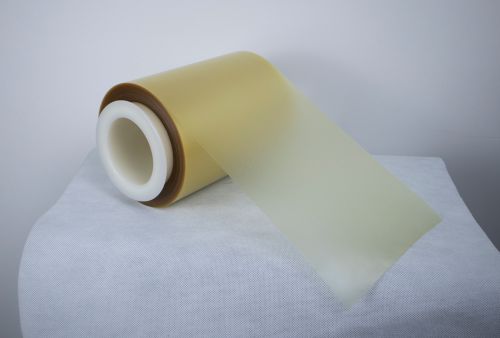
PC film and PMMA film can both be considered for a transparent equipment window, but they do not solve the same risk in the same way. A buyer choosing only by initial clarity may miss impact loads, surface wear, forming stress, printed graphics or adhesive forces that decide whether the assembled window remains usable.
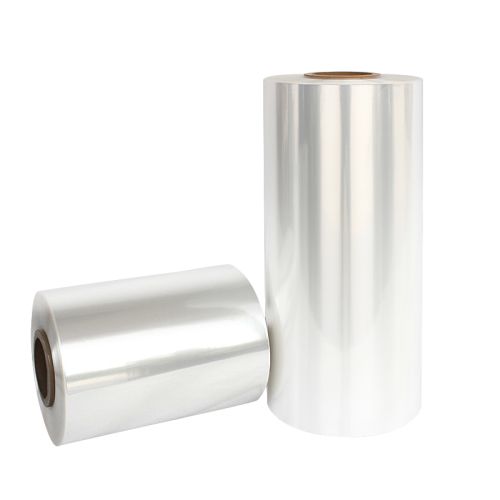
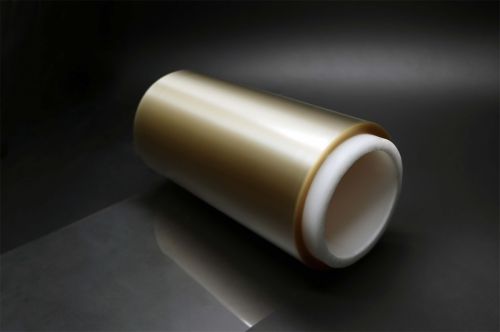
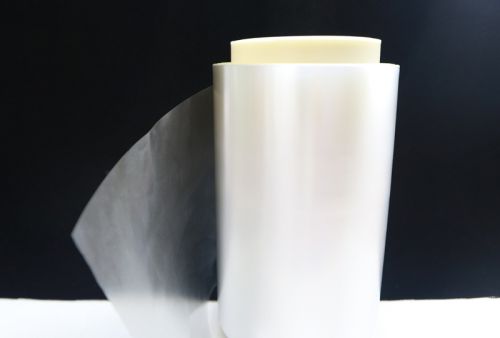
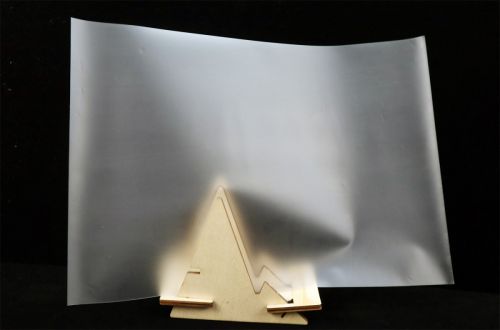
An engineering plastic film manufacturer should receive the finished-part drawing and service conditions before recommending a material route. Dafu lists optical-grade PC film for optical instruments, display panels and protective windows. That makes it a relevant starting point when the window also needs mechanical protection and conversion.
Choose PC Film When Impact Drives the Design
Polycarbonate is commonly selected when the window must tolerate handling, bending or impact without brittle fracture. This can matter around machine controls, portable equipment, public interfaces and components with cutouts or fasteners. The finished geometry remains critical: sharp corners, holes, thin edges and mounting pressure can concentrate stress even when the base film is tough.
PC also offers a useful route for printed and formed components, but forming temperature, draw depth and tool design need validation. Residual stress can later appear as curl, optical distortion or cracking after bonding and thermal cycling.
Choose PMMA When the Exposed Surface Dominates
PMMA is often considered for high optical appearance and a harder exposed surface. That can be useful when scratch visibility and gloss retention dominate the acceptance plan. The tradeoff is that a harder, more brittle material may provide less tolerance for impact, tight bends or highly stressed cut features than PC.
The comparison should therefore use the actual support and mounting method. A fully supported window experiences different loads from a free-standing cover. A surface that performs well in a flat abrasion test may still crack at an unsupported edge during assembly.
Optical Approval Requires More than Transmittance
Define haze, distortion, color, particles, scratches, inclusions and allowable surface marks for the clear viewing area. Inspect the film over the real display, sensor or optical path. Curvature, adhesive, air gaps and printed borders can change reflections and readability even when the flat film meets an incoming light-transmission target.
If a camera or sensor looks through the window, evaluate image shift, flare and contrast under the intended illumination. If a human reads a display, inspect multiple angles, day and night conditions and the brightness range used in service.
Printing, Coating and Bonding Can Reverse the Choice
Printed icons, opaque borders and hard coats add interfaces whose adhesion and cure temperatures may differ between PC and PMMA. Identify which side is printed, which side faces the user and whether the surface receives an adhesive. Run adhesion checks after cure, forming, cleaning and environmental exposure rather than approving the first printed sheet.
Solvents and cleaners can create stress cracking or appearance change. Test the exact ink, coating, adhesive and cleaning chemistry on converted parts. No general material comparison can approve every chemical combination.
Use a Weighted Material Selection
Rank impact, scratch resistance, optical quality, forming depth, print adhesion, chemical exposure, temperature, part thickness and cost according to the application. PC may be favored when impact and forming tolerance carry the highest weight. PMMA may be favored when surface appearance dominates and the part is well supported. A PC/PMMA composite can also enter a separate evaluation when both functions must be combined.
For a useful Dafu trial, provide the drawing, optical zone, thickness, surface finish, printing and forming steps, mounting method, impact condition, cleaners and acceptance tests. Compare finished PC and PMMA windows under the same sequence, then choose the material that controls the project’s highest-risk failure.