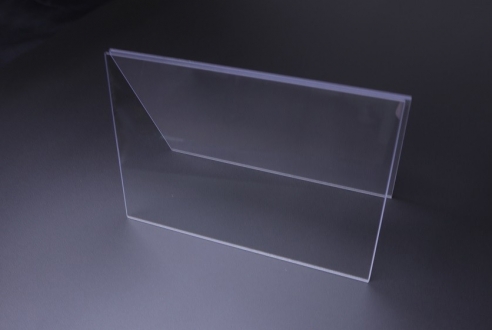
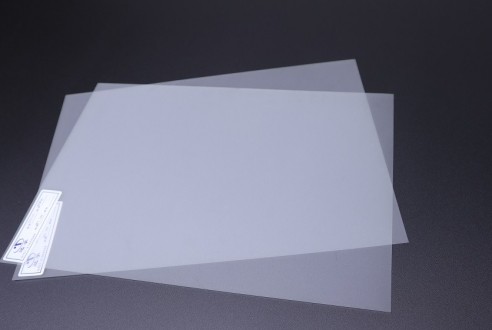
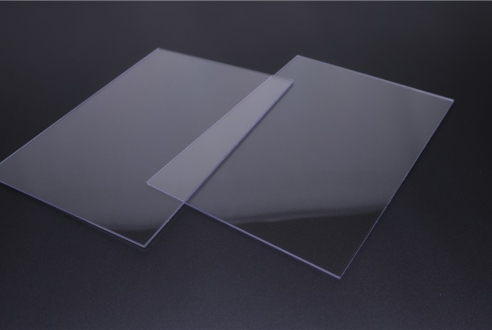
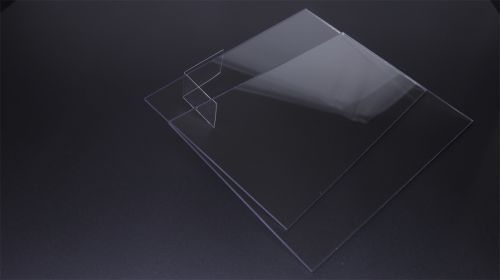
BOPP capacitor film thickness affects component volume, electrical design, metallization, winding stability and defect tolerance at the same time. Selecting the thinnest available gauge without reviewing those interactions can move risk from the design calculation into production yield and long-term reliability.
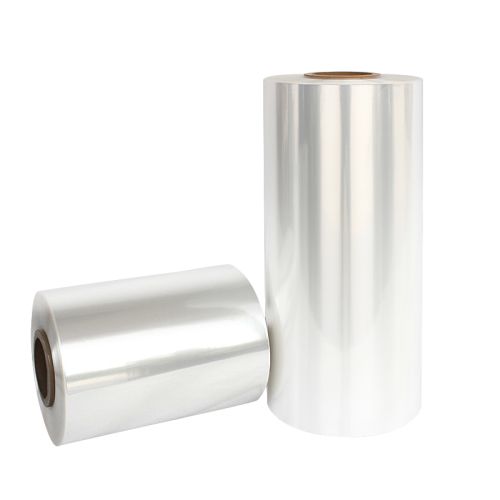
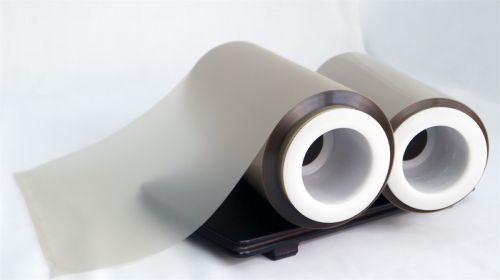
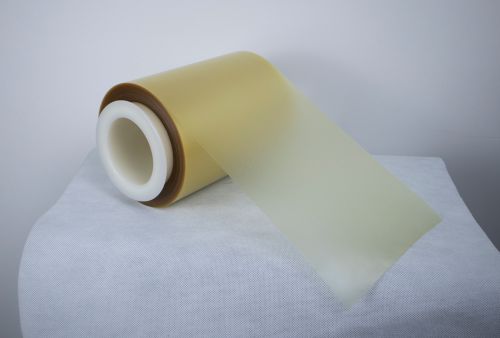
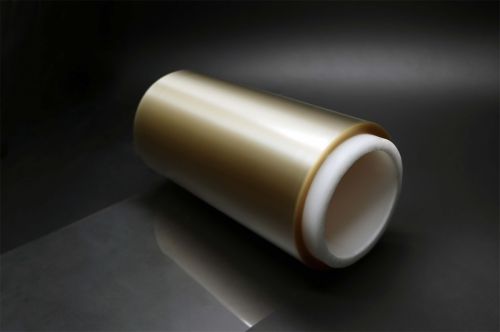
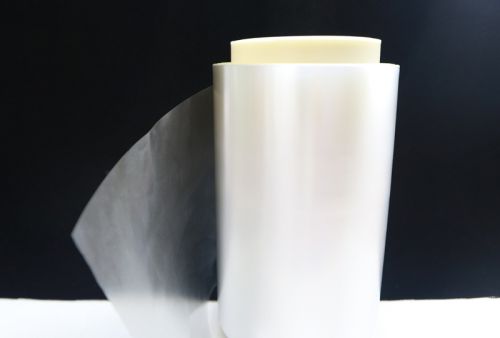
An engineering plastic film manufacturer needs the capacitor design window before discussing samples. Dafu’s ultra-thin capacitor-film page states a production range of 2–4 μm and separates conventional and high-temperature-resistant vapor-deposition types. The ordered gauge and type should follow the actual capacitor, not a general market preference.
Why Thinner Film Is Attractive
Reducing dielectric thickness can help a designer place more active area within a limited package. That may support higher capacitance density or a smaller component. However, the benefit is realized only when metallization, slitting and winding can process the film without creating folds, scratches, trapped particles or unstable tension.
As gauge decreases, local thickness variation and small defects occupy a larger share of the design margin. Handling forces that were acceptable for a thicker web may cause stretching or wrinkles in a thinner one. The winding recipe therefore needs to be qualified again rather than copied unchanged.
Thickness Uniformity Matters More than the Nominal Value
A purchase order may state one nominal thickness, while capacitor production responds to the full profile across and along the roll. Thick bands and thin bands can change winding geometry and local electrical stress. Stable flatness is also important because a web that tracks poorly can create edge wander, telescoping or uneven pressure in the wound element.
Agree on the measurement method, sample locations, tolerance and reporting resolution. Compare roll maps, not only one average. Incoming inspection should also record width, edge condition, winding quality and surface cleanliness, because thickness data cannot explain every processing defect.
Match Gauge to the Electrical and Thermal Design
Voltage, waveform, frequency, temperature, duty cycle and required life all influence dielectric selection. Dafu describes its capacitor film as having dielectric performance, low dielectric loss, mechanical properties and thickness uniformity, and the product page states a 105°C temperature capability. That information defines a candidate range; it does not approve a finished capacitor at every voltage or thermal condition.
The capacitor maker should establish the required safety margin with its own metallization pattern, electrode design and test method. A high-temperature film type also needs to be processed with materials whose temperature capability is compatible throughout the component.
Run the Metallization and Winding Trial Together
Do not approve base film only from flat-sheet electrical testing. Metallization conditions can affect web temperature, handling and surface quality. Winding adds tension, alignment and pressure. Inspect the metallized roll for bands, wrinkles, edge damage and uncoated-area control, then wind enough elements to evaluate process stability rather than relying on one successful piece.
Record break frequency, splice behavior, tension settings, winding speed, element geometry and rejection causes by roll. Electrical testing should include the finished element and capacitor after the production stages required by the design. Compare candidate gauges under the same process and acceptance criteria.
Specify a Production Window, Not Just a Micron Number
A useful enquiry includes nominal gauge, tolerance, roll width, metallization process, margin design, winding equipment, operating voltage, temperature profile and qualification tests. Provide photographs or retained samples when the current film creates wrinkles, breaks or electrical rejects. Dafu can then discuss a 2–4 μm candidate within a defined process window instead of treating thickness as the only selection variable.