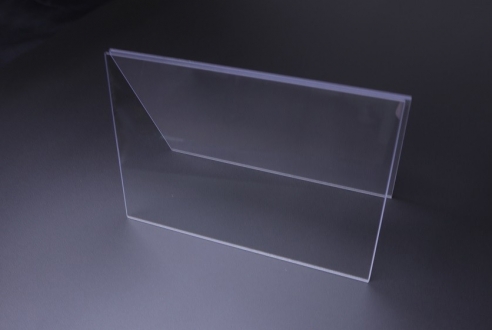
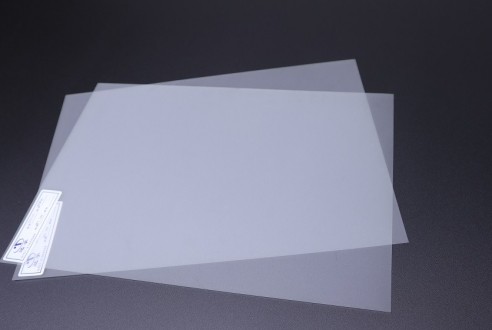
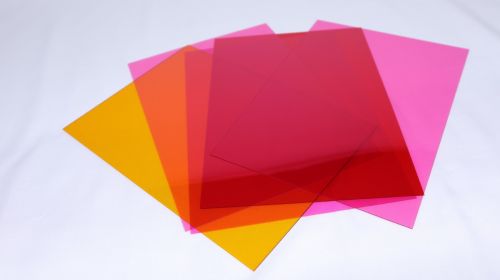
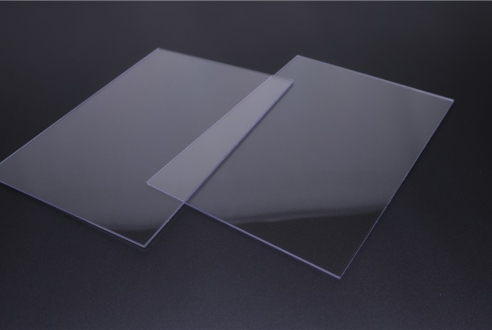
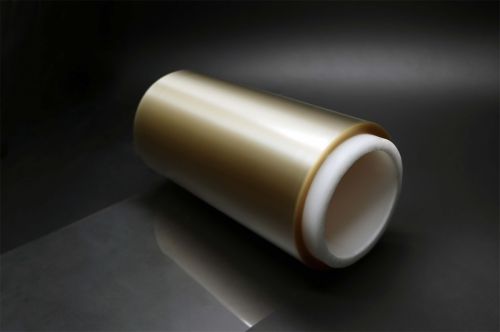
An industrial instrument panel must present information clearly under changing light while protecting the display and surviving frequent cleaning. Optical Grade PC Film can combine clarity, toughness and processability, but a good flat sheet may still develop distortion, stress whitening, print defects or trapped contamination after conversion. Buyers should specify visual zones, surface finish and the complete printed and bonded construction before requesting samples.
Divide the panel into visual zones
Within the Dafu optical and printable film range, selection should follow viewing zones. A display window, warning icon area and opaque decorative border have different defect sensitivity. Mark critical viewing zones on the drawing and define acceptable particles, scratches, haze and distortion for each. This prevents an unrealistic whole-sheet cosmetic standard while protecting the areas users actually read.
For this industrial instrument display panels project, document the proposed material, process settings, conditioning and acceptance limit before the trial. Keep retained samples so any change can be traced to film, conversion, filling or assembly rather than guessed after failure.
Choose gloss or texture for the lighting environment
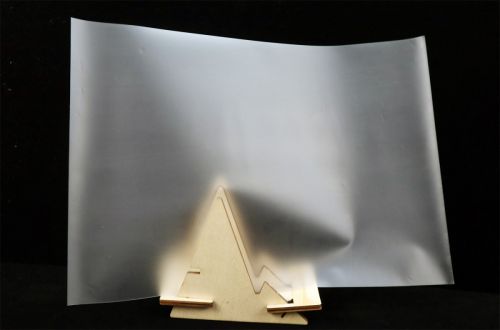
High gloss can support clarity but may show reflections and fingerprints. A texture can reduce glare yet soften a display if placed over the viewing area. Evaluate samples over the actual screen at expected angles, brightness and ambient light. Do not select finish from a loose swatch.
The decision should be based on repeat production and the finished application. Supplier data are useful when the grade, method and conditions are stated; they should not be turned into an unsupported package, component or service-life guarantee.
Plan printing around the optical window
Reverse printing can protect graphics, but ink edges, pinholes and registration become visible around a clear window. Confirm film surface, ink family, drying and color stack. Inspect after cure and aging because residual solvent or poor adhesion may only appear during later forming and bonding.
For this industrial instrument display panels project, document the proposed material, process settings, conditioning and acceptance limit before the trial. Keep retained samples so any change can be traced to film, conversion, filling or assembly rather than guessed after failure.
Manage forming stress and dimensional change
Instrument bezels may require curves, bosses or shallow draws. Heating profile, tool radius, film orientation and print position affect distortion and whitening. Form production-style parts and measure window geometry. A transparent panel can reveal small strain patterns that would be hidden in an opaque component.
The decision should be based on repeat production and the finished application. Supplier data are useful when the grade, method and conditions are stated; they should not be turned into an unsupported package, component or service-life guarantee.
Control cleanliness from film to assembly
Dust, liner debris and handling marks trapped inside the stack cannot be removed after bonding. Define cleaning, protective masking, workstation and packaging procedures. Trace visible defects to the stage where they entered, rather than tightening incoming-film limits without evidence.
For this industrial instrument display panels project, document the proposed material, process settings, conditioning and acceptance limit before the trial. Keep retained samples so any change can be traced to film, conversion, filling or assembly rather than guessed after failure.
Bond to the real housing and display stack
Adhesive optical quality, coat uniformity, bubbles and differential expansion influence final readability. Test the intended painted metal or molded plastic substrate after realistic surface preparation. Include temperature and humidity cycling and inspect the perimeter for lift or stress.
The decision should be based on repeat production and the finished application. Supplier data are useful when the grade, method and conditions are stated; they should not be turned into an unsupported package, component or service-life guarantee.
Test impact and chemical cleaning separately
PC toughness can help protect an instrument face, but the converted part, coating and mounting determine impact behavior. Cleaning agents may affect surfaces, print or adhesive differently. Use the customer's impact and wipe procedures on finished panels and record both function and appearance.
For this industrial instrument display panels project, document the proposed material, process settings, conditioning and acceptance limit before the trial. Keep retained samples so any change can be traced to film, conversion, filling or assembly rather than guessed after failure.
Write a visual procurement specification
State grade, thickness, finish, roll or sheet format, critical zones, protective mask, defect limits and inspection lighting. Add printing, forming and bonding details. This gives supplier and converter a shared definition of optical quality and avoids subjective approval at final assembly.
The decision should be based on repeat production and the finished application. Supplier data are useful when the grade, method and conditions are stated; they should not be turned into an unsupported package, component or service-life guarantee.
Frequently Asked Questions
Is the clearest finish always best for an instrument panel?
No. Reflections, glare, fingerprints and the display brightness may make a controlled texture preferable outside critical viewing areas.
Why define visual zones?
They focus strict optical limits where users view information while applying practical cosmetic limits elsewhere.
Should optical checks be repeated after forming?
Yes. Heat and strain can introduce distortion or whitening not present in flat film.
What should sample requests include?
Provide thickness, finish, viewing-zone drawing, printing, forming, adhesive, substrate and environmental tests.
Recommended Product and Next Step
Define optical PC film by viewing-zone quality and complete HMI conversion rather than a single light-transmission value.
CTA: Send Dafu your viewing area, thickness, surface finish, print process, forming depth, cleaning exposure and acceptance limits to request an optical PC datasheet and evaluation samples.