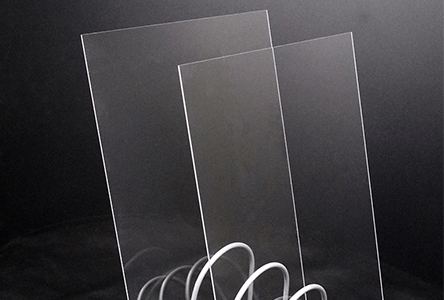
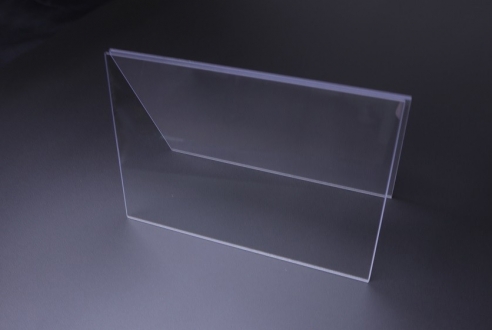
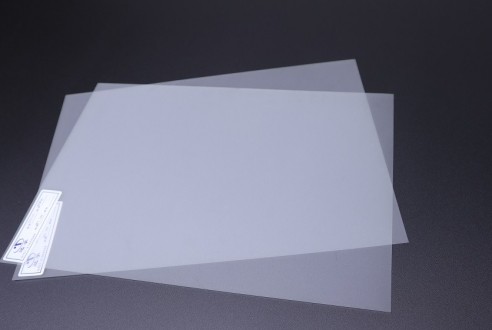
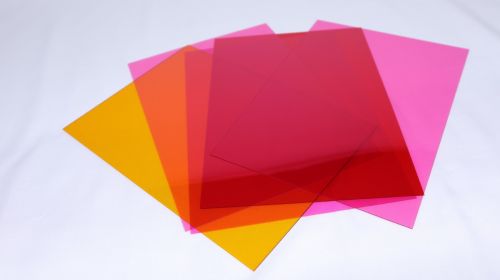
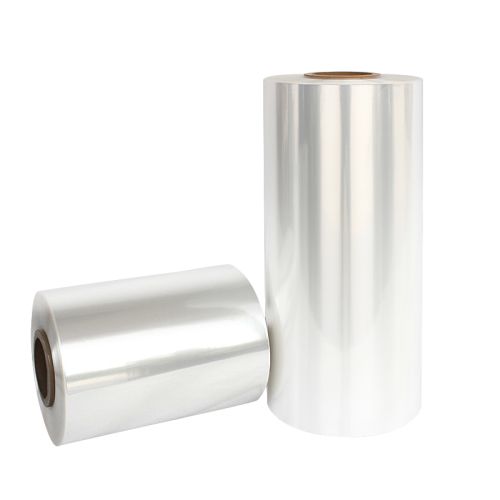
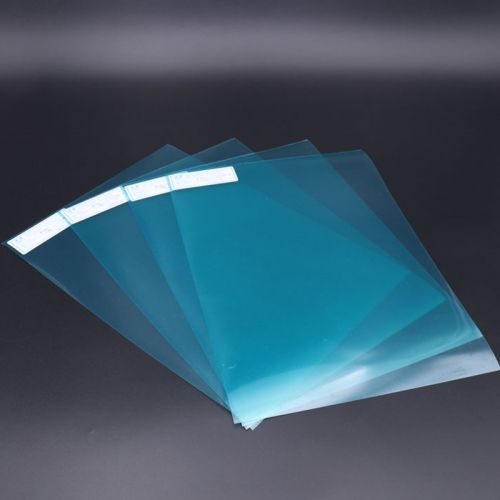
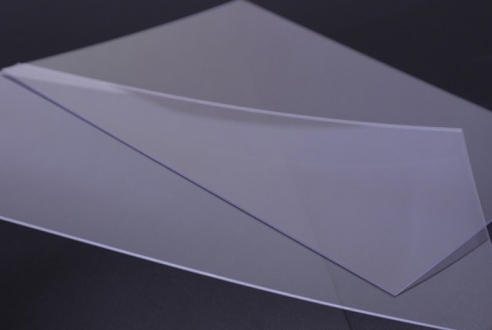
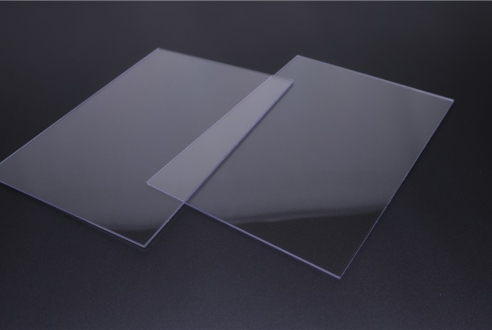
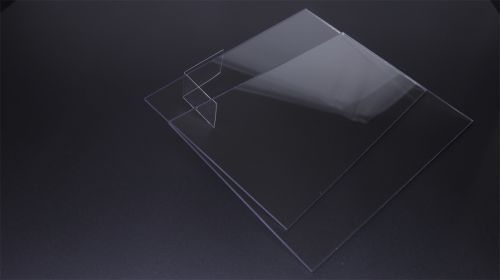
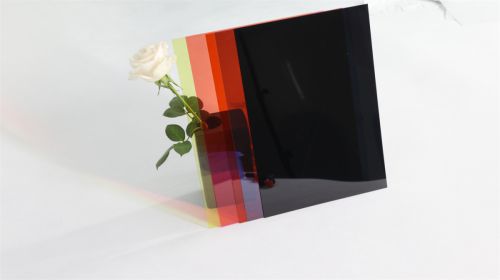
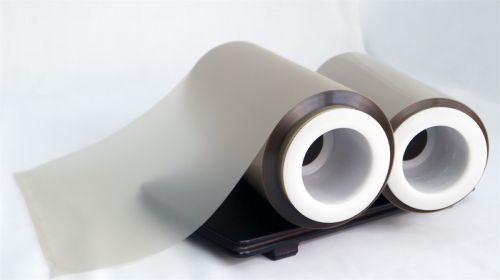
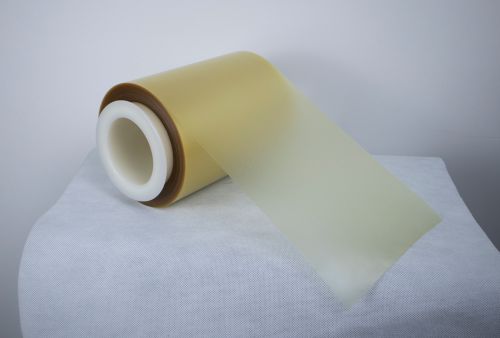
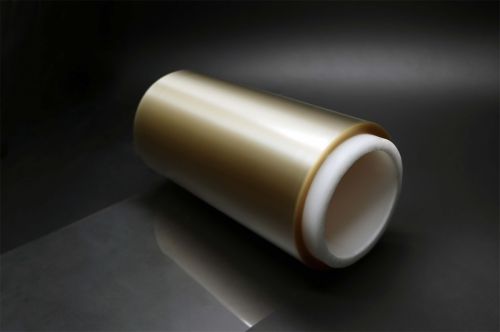
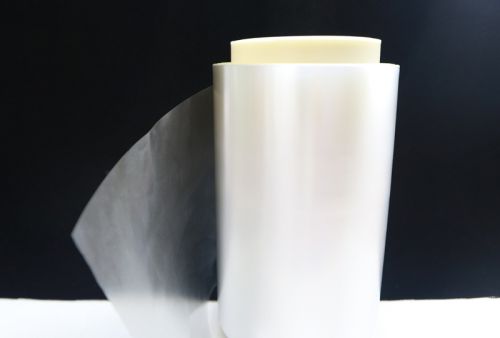
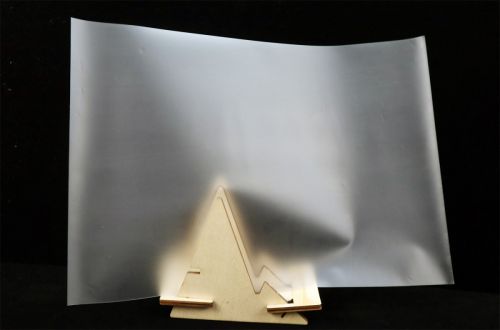
Optical Grade PC Film is selected when a transparent component must perform more than one job. The viewer expects a clear image.
Dafu Optical Grade PC Film provides light transmission above 90%. It also offers impact resistance, weatherability, printability, and electrical insulation.
The material remains stable from −40°C to 120°C. This range supports PC film for automotive display and electronic window evaluation.
Transparent polycarbonate film clarity is only the starting condition. Printing, forming, cutting, bonding, and cleaning can alter appearance and durability.
Buyers searching for printable polycarbonate film often need borders, icons, warnings, or decorative graphics. Those graphics must coexist with optical zones.
The main purchasing question is practical. Can the completed window remain readable, attractive, and intact through production and service?
Divide the Display Window into Visual Zones
A useful drawing separates active display areas, illuminated symbols, printed borders, hidden edges, holes, and mounting zones.
Each zone can receive a different defect limit. A small mark may be unacceptable over a screen but invisible under an opaque border.
The drawing should also identify viewing distance, lighting, background, and angle. These conditions influence which defects users can see.
Use Transmission above 90% as a Starting Point
Dafu Optical Grade PC Film offers light transmission above 90%. This supports bright display and window applications.
Transmission alone does not define image quality. Haze, color, surface waviness, distortion, gloss, and reflections can still affect readability.
No grade-specific haze or color value is verified here. Buyers should request those figures when their project needs them.
Testing should place the film over the actual display. White paper cannot reproduce black backgrounds, pixels, symbols, or backlighting.
Define a Repeatable Visual Inspection
The inspection method should define light source, distance, angle, background, duration, and sample cleanliness. Uncontrolled viewing causes inconsistent decisions.
Golden and boundary samples can align judgments between buyer, supplier, printer, and assembler. Samples should represent the final viewing conditions.
Critical zones usually need stricter scratch and inclusion limits. Hidden zones can use practical limits that reduce unnecessary scrap.
Printable Polycarbonate Film Needs a Graphic-Control Plan
Printing can add masks, legends, logos, control symbols, and decorative effects. It also adds color, thickness, heat, and interfacial stress.
The trial should use the intended ink and cure process. Substitute chemistry may change wetting, adhesion, opacity, or thermal behavior.
Control Opaque Borders around Illuminated Areas
Dark borders may reveal pinholes, thin ink, dust, and uneven density. Backlighting can make small printing defects highly visible.
The acceptance plan should measure color and opacity using agreed methods. It should also inspect light leakage along graphic edges.
Registration matters where icons align with switches, sensors, or display pixels. The drawing should define position and allowable deviation.
No ink-system specification is verified for this product. Ink and process selection must come from controlled supplier and converter trials.
Check Adhesion after Every Major Stress
Initial adhesion may change after cure, forming, bonding, cleaning, humidity, or thermal cycling. Each major step deserves a new inspection.
The team should record the failure interface. Ink may separate from film, another ink layer, or an adhesive.
One early tape test cannot prove long-term print durability. The finished component should face the relevant service exposures.
PC Film for Automotive Display Must Survive −40°C to 120°C
PC film for automotive display can face cold starts, solar heating, cabin cycles, vibration, cleaning, and repeated touch.
Dafu Optical Grade PC Film remains stable from −40°C to 120°C. This verified range provides a useful material boundary.
It does not certify every printed and bonded assembly. Inks, adhesives, coatings, and supporting parts may have narrower operating windows.
Test Temperature Change, Not Only Endpoints
Thermal cycling repeatedly expands and contracts the assembly. Different materials can create stress, curl, edge lift, cracking, or optical distortion.
The test should measure dimensions, curvature, appearance, print adhesion, bond condition, and display readability before and after cycling.
Exact cycles and dwell times must follow the application program. No universal automotive standard or approval is claimed here.
High-temperature exposure during printing or forming should also enter the process review. Production heat can create residual stress before service begins.
Forming Can Move Graphics and Change Optical Quality
A flat printed window may later receive curvature or local features. Forming stretches material and can move printed geometry.
The team should compare flat artwork with final-part position. Pre-distortion may be needed when graphics move during forming.
Heat distribution, tool condition, orientation, and draw depth can influence the result. No universal forming window is verified.
Inspect the Formed Part over the Real Display
Curvature can change reflection and image distortion. Thickness variation may also affect stiffness and impact response.
The formed part should be inspected under day and night viewing conditions. Different angles may reveal distortion or light leakage.
Printed borders should remain aligned with the active display. Icons should keep their intended shape and position.
The process should also inspect whitening, cracking, dents, embedded particles, and surface marks. These defects may begin near stressed features.
Impact Resistant Optical Film Still Needs Good Geometry
Dafu Optical Grade PC Film offers impact resistance. This property supports protective windows and display covers.
Impact behavior still depends on thickness, temperature, curvature, support, holes, corners, and mounting pressure. A film value cannot prove the assembly.
Sharp internal corners and narrow bridges can concentrate stress. Smooth edges and balanced support can improve the component design.
Test the Mounted Component
Drop, ball-impact, puncture, or flex testing may be relevant. The chosen method should represent the expected product risk.
Testing should use the final thickness, graphic layers, adhesive, support, and temperature. Flat coupons can miss mounting-related failure.
Failure analysis should record crack origin and direction. A geometry change may solve a problem without increasing material thickness.
Protect Both Surfaces through Printing and Assembly
Transparent polycarbonate film can expose very small scratches and particles. High transparency plastic film therefore needs careful surface protection.
Workstations, rollers, trays, tools, and gloves should remain clean. Stacking should avoid unprotected optical-surface contact.
Protective masking may help during conversion. Its release behavior, residue, and compatibility should be tested with the planned process.
Control Cleaning Chemistry
End users may wipe a display repeatedly. Cleaners, cloths, pressure, and trapped particles create different wear conditions.
Cleaning trials should use the planned chemical and material. Teams should inspect haze, gloss, scratches, print condition, and bond edges.
No universal chemical resistance is stated for this film. Each cleaner requires compatibility testing on the finished window.
Weatherability supports demanding use, but exact exposure requirements still vary. Outdoor and automotive-adjacent parts need project-specific aging.
Electrical Insulation Adds Function but Not Automatic Approval
Optical Grade PC Film has electrical insulation properties. This can matter near displays, controls, printed electronics, or energized components.
Insulation performance depends on thickness, frequency, temperature, humidity, geometry, contamination, and assembly design. No dielectric values are verified here.
Electrical engineers should define the required test and safety margin. Regulatory compliance must be confirmed through grade-specific documentation.
The optical window should never be treated as an approved insulator from the product name alone. Material screening and system approval are separate.
Match Optical Grade PC Film to Verified Applications
This transparent polycarbonate film supports automotive displays, electronic panels, optical windows, instruments, and protective transparent components.
Automotive displays emphasize readability, thermal cycling, impact, vibration, and cleaning. Printed controls add registration and backlight concerns.
Industrial panels may prioritize labels, insulation, chemical cleaning, and repeated operation. Optical instruments may apply tighter distortion and defect limits.
Each application needs its own zone drawing and acceptance plan. A single visual standard cannot serve every component.
Evaluate a Polycarbonate Film Supplier with the Final Process
A polycarbonate film supplier should provide grade-specific optical, dimensional, thermal, surface, and handling information. Test methods should accompany values.
Buyers should confirm available thicknesses, widths, surface condition, masking, storage, and roll or sheet format. No values should be assumed.
Representative material should enter production-intent trials. Critical checks should repeat across multiple batches before commercial approval.
Approve the Decorated Display Window
The approval sequence should begin with high transparency plastic film inspection. Printing, forming, cutting, bonding, and cleaning tests should follow.
Environmental tests should use the decorated assembly. Optical zones, graphics, adhesion, dimensions, impact, and readability should be reviewed afterward.
Dafu Optical Grade PC Film provides transmission above 90% and stability from −40°C to 120°C. It also offers useful mechanical and functional properties.
Those facts create a strong starting point for printable polycarbonate film. Production confidence comes from repeating them in the actual component.
When final-window evidence meets written limits, Optical Grade PC Film can support clear, durable, and accurately decorated display assemblies.