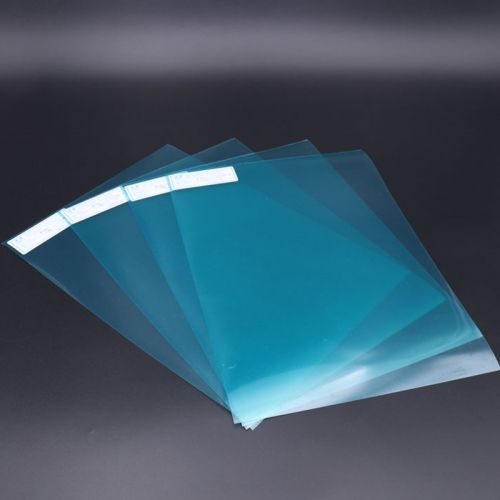
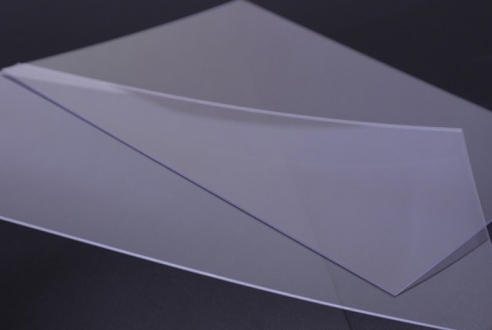
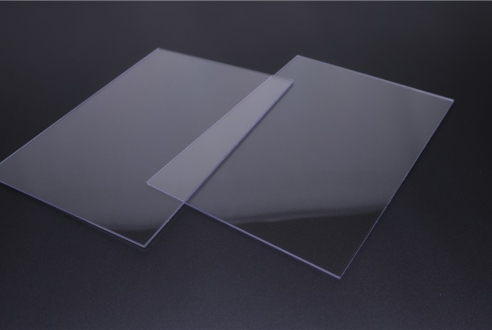
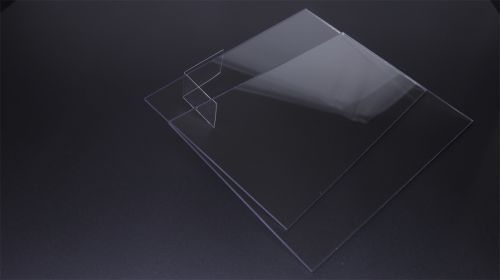
PEI Film Fits a Defined Thermal Window
PEI Film enters a project when ordinary insulation lacks enough thermal margin. Dafu verifies continuous service capability up to 170°C.
Searches for polyetherimide film, 170°C insulation film, and high-temperature electrical insulation film reflect this selection problem.
That figure gives buyers a useful design boundary. It does not describe every possible temperature event or finished assembly.
The purchasing question is not whether PEI sounds heat resistant. The question is whether 170°C matches the real operating profile.
A reliable answer needs temperature, time, geometry, voltage, and processing information. Each factor can change the final requirement.
Build a Thermal Map Before Choosing the Film
High-temperature electrical insulation film should be selected from a thermal map. A single maximum temperature cannot describe actual service.
Separate Continuous Heat from Short Peaks
Continuous heat describes the sustained operating condition. Short peaks may occur during startup, overload, processing, or nearby heating.
The buyer should record both conditions. A short peak should not be treated as the continuous rating.
Duration also matters. Five minutes and five thousand hours create different material demands.
The verified PEI boundary is continuous use up to 170°C. Any higher or unusual exposure needs separate qualification.
Include Hot Spots and Cycling
Average equipment temperature can hide local hot spots. Sensors should be placed near the actual insulation location.
Thermal cycling adds repeated expansion and contraction. These movements can stress edges, bonds, and nearby components.
The design should also include ambient extremes. Storage, transport, and shutdown periods may create another temperature range.
A useful thermal map shows normal operation, peaks, cycles, and expected life. That map becomes the basis for testing.
Electrical Insulation Is a System Result
PEI film provides electrical insulation for relevant applications. The final dielectric result still depends on the complete assembly.
Film thickness, air gaps, edges, contamination, and forming can influence performance. Electrical stress may concentrate around sharp geometry.
The buyer should define operating voltage and required safety margin. The final test should reflect the intended component shape.
No verified dielectric value is supplied here. The project should request grade-specific data and establish its own acceptance test.
Test the Real Geometry
Flat samples can support early screening. They cannot represent every folded, punched, or bonded part.
Die-cut edges may face different electrical stress from the center. Burrs on nearby metal can damage a thin insulating layer.
Formed parts may contain bends and residual stress. The qualification piece should include these features.
Electrical testing should follow thermal exposure when service includes heat. This sequence checks the condition that matters to users.
Dimensional Stability Protects Assembly Tolerance
Heat-resistant insulation must remain correctly positioned. Movement can expose conductors, change clearances, or weaken a bonded stack.
PEI film is used where heat and insulation requirements meet. Buyers should still define allowable dimensional change.
The drawing should identify critical length, width, hole, and edge locations. General dimensional language gives converters little guidance.
The trial should measure parts before and after representative thermal exposure. The same conditioning method should be used for comparisons.
Material handling can also influence flatness. Winding history, storage, and cutting conditions should be recorded.
Processing Can Consume the Thermal Margin
A film may survive service yet face greater stress during manufacturing. Bonding, forming, printing, or curing can add heat.
The process map should list every thermal step. Time and pressure should appear beside temperature.
Cutting and Edge Quality
Slitting and die cutting create the final insulation boundary. Clean edges reduce the chance of local damage or inconsistent fit.
Tool condition, clearance, speed, and part geometry can affect the edge. The converter should retain samples from the chosen setup.
Small holes and narrow bridges deserve special attention. These areas may tear or distort more easily during handling.
The inspection plan should match the drawing. Visual review alone may miss critical dimensional errors.
Forming and Bonding
Forming changes the flat film into a stressed geometry. The process should avoid sharp bends that damage the insulation path.
An adhesive can become the assembly’s thermal limit. The chosen system needs its own heat and electrical qualification.
Cure temperature and time should remain within the tested process window. An unrecorded cure cannot support repeatable production.
Bonded samples should be evaluated after thermal exposure. Initial adhesion alone gives an incomplete result.
Match PEI Film to the Application Boundary
Polyetherimide film can support electrical and electronic insulation near sustained heat. The exact fit depends on the finished component.
Potential uses include insulating parts in motors, power equipment, and electronic assemblies. Each use needs its own voltage and temperature map.
Medical and reusable equipment may also require heat-resistant insulating components. Any cleaning or sterilization program must be qualified separately.
The material name should not imply regulatory approval. Product-contact, medical, or industry compliance needs grade-specific evidence.
This boundary keeps the article factual. It also helps buyers avoid unsupported procurement assumptions.
Use a Failure-Mode Qualification Plan
A strong qualification plan starts with likely failure modes. It does not begin with a long list of unrelated tests.
Thermal Failure Questions
The team should ask whether the part shrinks, warps, cracks, or moves. Testing should reproduce the expected heat history.
Measurements should use defined points and conditioning. Uncontrolled room conditions can weaken comparisons.
The report should distinguish temporary movement from permanent change. Both may matter within a tight assembly.
Electrical Failure Questions
The team should define breakdown, leakage, tracking, or another relevant concern. The acceptance method should follow the application.
Testing should include production geometry and representative edges. Flat-film data remains supporting evidence.
Electrical checks after heat exposure can reveal combined effects. The sequence should match the intended risk.
Process Failure Questions
The team should examine cuts, holes, bonds, prints, and formed areas. Each feature can create a different weakness.
Trial records should connect defects with tool, setting, and material identification. This traceability supports corrective action.
The final plan should remove tests without a decision purpose. More testing is not always better evidence.
Procurement Should Separate Facts from Targets
A request for quotation should clearly separate confirmed material facts and project requirements. This format prevents accidental overclaiming.
The confirmed fact is PEI continuous service capability up to 170°C. Other required values should appear as buyer targets.
The supplier can then respond with verified grade information. Missing information should remain openly unresolved.
The buyer should request product identification, available thickness information, width options, and relevant test methods. No unverified range should be assumed.
Sample quantity should match the trial stage. Screening, pilot conversion, and stable production need different amounts.
Evaluate Total Cost within the Service Window
Unit price cannot describe the full material decision. Processing yield, part rejection, downtime, and failure consequences also matter.
PEI film may reduce risk when the service temperature approaches the limit of lower-temperature insulation. That benefit needs application evidence.
Using excessive thermal capability can also add unnecessary cost. The thermal map should justify the selected material.
The buyer should compare cost per accepted component. This measure includes usable output and qualification effort.
Commercial approval should follow technical approval. Price cannot repair an unsuitable service boundary.
Questions for a PEI Film Supplier
A PEI film supplier should identify the offered grade and its verified continuous temperature basis. Buyers should request supporting documentation.
The discussion should cover film form, dimensions, tolerances, and available data. Only confirmed information should enter the specification.
The buyer should share the thermal profile and final geometry. General requests often produce general answers.
Process information also matters. Cutting, bonding, forming, and cleaning conditions can change the qualification route.
Any compliance statement should name the grade, standard, and current document. A material family name is not sufficient evidence.
Production Records Extend Qualification Value
A successful trial should produce more than an approved sample. It should create instructions that another team can repeat.
The record should identify material grade, roll, thickness, and part drawing. It should also show the tested thermal profile.
Cutting tools, bonding systems, and important settings should be listed. These details connect the material with the finished component.
Reference parts should be stored when practical. Their labels should preserve date, process, and inspection status.
Incoming lots should be checked against the approved identification. A changed grade should not enter production through an informal substitution.
Process changes also need review. A longer cure or sharper bend can create stress beyond the original trial.
The buyer should define a practical requalification trigger. Not every small adjustment needs a complete program.
Critical changes should receive targeted evidence. This approach controls risk while avoiding unnecessary testing.
Clear records also support supplier discussions. Both sides can investigate the same material and process history.
A Decision at 170°C
PEI Film offers a clear verified reference point for heat-resistant insulation. Continuous service up to 170°C defines the starting boundary.
Buyers should connect that boundary with real temperatures, voltage, geometry, and processing. Finished-part testing should confirm the result.
The decision should document accepted conditions and remaining unknowns. It should also identify the exact grade and trial configuration.
A 170°C insulation film should remain linked with its tested geometry, process, and electrical requirement.
This method avoids both under-specification and unnecessary overengineering. It turns a temperature figure into a controlled material choice.