Why Multicolor Composite Sheet Is a Supply-Chain Material
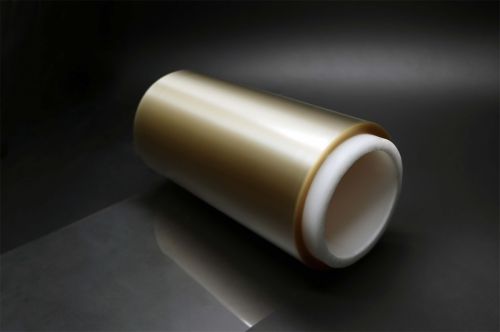
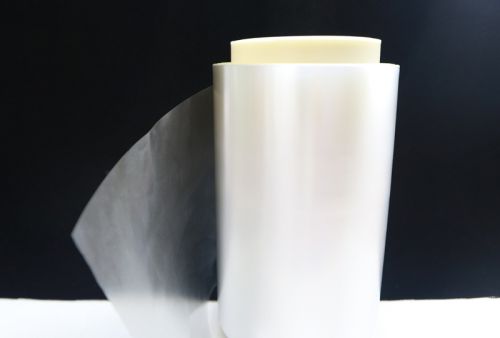
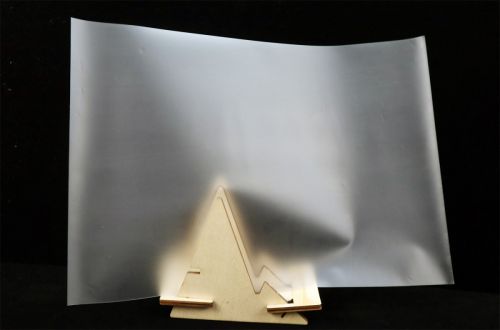
Multicolor Composite Sheet is often selected for appearance, but its commercial value extends beyond color. A decorative component may pass an initial design review and still create problems in production if the color drifts between batches, thickness changes affect assembly, or multiple finishing operations increase cost and lead time.
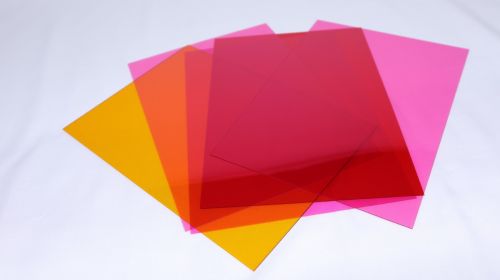
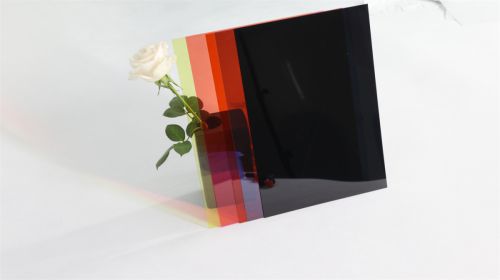
Dafu Multicolor Composite Sheet addresses these concerns by supporting Pantone standard color matching and cross-batch color consistency. The color layer can be formed directly, reducing the need for multiple downstream color-processing steps. Flexible thickness configuration allows the material to be discussed for different product structures.
The material can be evaluated for smartphone back covers, camera decorative parts, electronic-cigarette housings, and automotive center-console decorative components. For overseas buyers, successful selection requires a shared specification for appearance, geometry, processing, and quality control—not only a verbal color name.
Pantone Color Matching as a Common Technical Language
Color descriptions such as “deep blue,” “champagne gold,” or “warm gray” are subjective. Different teams, screens, printers, and lighting environments can interpret them differently. Referring to a Pantone standard gives designers, buyers, suppliers, and inspectors a more consistent starting point.
Dafu Multicolor Composite Sheet can match Pantone standard colors. This helps international project teams translate a design intention into a production target. However, a Pantone reference should still be supported by an approved physical sample because material surface, gloss, texture, thickness, and lighting can affect visual perception.
A robust color specification should define:
Pantone reference or approved master sample
Acceptable color tolerance and evaluation method
Standard light source and viewing geometry
Surface gloss or visual effect expectations
Whether adjacent materials must match
Which side and production stage are inspected
How aging or processing may affect appearance
When these points are agreed early, buyers can reduce disputes caused by subjective inspection.
Why Cross-Batch Color Consistency Matters
Cross-batch color consistency is critical when components are assembled into one product, supplied as replacement parts, or produced over a long program. A small shift may become obvious when two pieces are viewed side by side, even if each appears acceptable on its own.
Dafu Multicolor Composite Sheet is designed to support color consistency across batches. Buyers should define how that consistency will be demonstrated. A first-article sample may not represent every production lot, so the quality plan should include an approved master, batch records, sampling frequency, and a clear procedure for handling borderline results.
Consistency can affect more than customer perception. Color rejections create sorting, rework, delayed assembly, and unused inventory. For automotive and consumer-electronics programs, a controlled color system can therefore reduce both quality risk and total operating cost.
Direct-Form Color Layers and Process Simplification
Traditional decorative components may require several steps after the base part is formed, such as coating, printing, painting, curing, or other finishing operations. Every additional step introduces equipment time, handling, work-in-process inventory, and a possible defect point.
Dafu Multicolor Composite Sheet allows the color layer to be formed directly. This can reduce multiple downstream processing operations, depending on the finished-part design. Fewer steps may shorten the process route and reduce opportunities for dust, uneven coverage, handling damage, or color variation.
Buyers should not assume that every secondary operation will disappear. Printing, protective layers, bonding, texturing, or decorative effects may still be needed for a specific component. The correct comparison is between the current process and a validated process using the composite sheet.
Questions to examine include:
Which color or finishing steps can be removed?
Which operations remain necessary?
How does the change affect takt time and work in process?
Does the new route reduce handling and inspection points?
What new forming or cutting controls are required?
How does yield compare at the finished-part level?
This process map gives procurement a more useful cost view than material price alone.
Flexible Thickness for Structural and Design Requirements
Dafu Multicolor Composite Sheet supports flexible thickness configuration. This allows designers to discuss different requirements for appearance, rigidity, forming, space, and assembly.
Thickness should be selected with the final component in mind. A thinner sheet may reduce weight or fit within a compact stack, but it may behave differently during forming and handling. A thicker sheet may provide more stiffness, yet require changes to cutting, bending, or assembly geometry.
The buyer should specify nominal thickness, tolerance, usable width, flatness, and any critical dimensional behavior after processing. If the sheet will be bonded, inserted, wrapped, or formed, the complete stack-up should be reviewed. A change that seems small at the raw-material stage can alter fit, gap, flushness, or assembly pressure in the finished part.
Application Qualification
Smartphone Back Covers
Smartphone back covers are highly visible parts that must support the product’s design language. Color, surface appearance, edge quality, and consistency across production runs are important because users view the component at close range and under many lighting conditions.
Dafu Multicolor Composite Sheet can be evaluated for smartphone back-cover applications. Pantone matching helps communicate the desired color, while direct color-layer forming may simplify the finishing route.
Qualification should consider forming behavior, cutting quality, decorative appearance, bonding, edge exposure, and fit with the device structure. If logos, printing, or coatings are added, their adhesion and visual compatibility should be tested on the actual sheet. The finished back cover, not only a flat sample, should be approved.
Automotive Center-Console Decorative Parts
Automotive center-console trim must remain visually consistent across multiple components and production batches. It may be viewed under daylight, cabin lighting, and changing angles. Color harmony with surrounding plastics, displays, and upholstery can be a major design requirement.
Dafu Multicolor Composite Sheet can be evaluated for center-console decorative parts. Pantone color matching provides a common target, while flexible thickness can support different trim structures.
Automotive qualification should use the finished geometry and relevant environmental conditions. Color, gloss, warpage, bonding, assembly fit, and appearance after processing should be assessed. Required durability or aging tests depend on the customer and application; no general material description should replace the vehicle program’s qualification plan.
The same finished-part approach applies to camera decorative parts and electronic-cigarette housings. Buyers should inspect color, edges, cutouts, surface damage, bonding, and dimensional fit after the actual forming and assembly process. Any durability, chemical-resistance, or regulatory claim must be established through application-specific testing.
Processing Trials: Forming, Cutting, and Bonding
A flat color sample cannot prove production suitability. The material must run through the buyer’s actual process. Depending on the part, this may include cutting, die cutting, forming, laminating, bonding, printing, or assembly.
A controlled trial should evaluate:
Sheet flatness and feeding stability
Forming behavior at corners and curves
Color appearance after deformation
Cutting accuracy and edge quality
Surface scratches or handling marks
Adhesive compatibility and bond development
Dimensional repeatability
Part fit, gap, and flushness
Finished-part yield at production speed
Tooling condition and protective handling can materially affect results. The trial should record process settings so a successful sample can be repeated during scale-up.
Building a Practical Appearance Standard
Appearance inspection becomes unreliable when the acceptance criteria are vague. A good standard combines instrument-based measurement, a physical master, and defined visual conditions.
The buyer and supplier should agree on the inspection surface, lighting, background, viewing distance, angle, and sample conditioning. If gloss, texture, or metallic effects influence perception, those attributes should be evaluated separately from color coordinates.
Physical limit samples can help inspectors distinguish acceptable variation from rejection. They should be protected, identified, and replaced when damaged or aged. Digital images are useful for communication but should not be the sole color standard because camera and display settings vary.
Supplier Qualification Questions
International buyers should ask:
How is the Pantone color target converted into a production standard?
How is cross-batch color consistency evaluated?
Can physical approval and limit samples be established?
What thickness options can be discussed for the project?
What dimensional and surface information is available?
Which forming, cutting, or bonding trials are recommended?
How should sheets be stored and handled?
What packaging protects the decorative surface?
Can representative samples be provided for component trials?
How is each production batch identified and controlled?
The buyer should provide drawings, thickness targets, part geometry, adjacent colors, surface requirements, process steps, annual demand, and the customer’s approval procedure. This information helps the supplier prepare a relevant sample rather than a generic color plaque.
Evaluating Total Cost
The value of Multicolor Composite Sheet should be measured at the finished-part level. A material that forms the color layer directly may reduce finishing operations, handling, inspection, and work-in-process inventory. Consistent color may reduce sorting, rework, and rejected assemblies.
The cost comparison should include material yield, cycle time, tooling, energy, coatings or inks, labor, defect rate, inspection, inventory, and changeover. It should also include the cost of a color mismatch discovered after assembly.
A higher raw-material price can still produce a lower total cost if it removes several unstable finishing steps. The conclusion should come from a documented pilot process and realistic yield data.
Recommended Qualification Process
Begin with a design brief that defines Pantone reference, physical master, thickness, part geometry, surface expectation, and downstream process. Produce flat samples, then move quickly to representative forming, cutting, and assembly trials.
Approve color under agreed lighting and confirm dimensions, surface quality, bonding, and finished-part fit. Repeat the trial with more than one representative batch to evaluate consistency. Document settings and acceptance limits before commercial release.
This sequence turns color from a subjective discussion into a controlled material and process specification.
Conclusion
Dafu Multicolor Composite Sheet supports Pantone standard color matching, cross-batch color consistency, direct forming of the color layer, and flexible thickness configuration. These capabilities make it relevant to smartphone back covers, camera decorative parts, electronic-cigarette housings, and automotive center-console trim.
For buyers, the main advantage is not simply a broader color choice. It is the potential to create a more repeatable appearance while reducing downstream processing. Success depends on a physical color standard, clearly defined tolerances, representative forming and assembly trials, and batch-level quality control. When those elements are aligned, Multicolor Composite Sheet can support both design differentiation and manufacturing efficiency.