WhPEEK Film Is Selected When Failure Is Expensive
Electrical insulation films often operate in narrow spaces close to conductors, windings, batteries, power electronics, or moving parts. Heat, voltage, vibration, pressure, chemicals, and repeated cycling can act on the material at the same time.
Standard films may perform well in moderate conditions but shrink, soften, crack, wear, or lose insulation margin when the environment becomes more severe. In high-value equipment, a small insulation failure can lead to downtime, component damage, difficult repair, or safety risk.
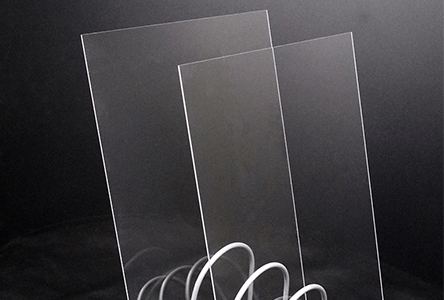
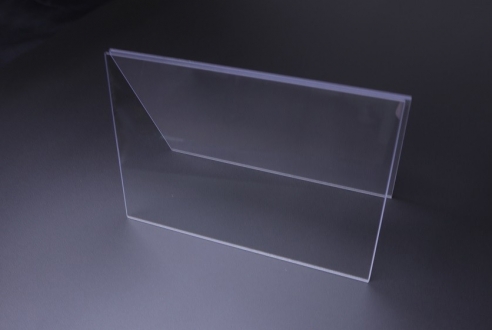
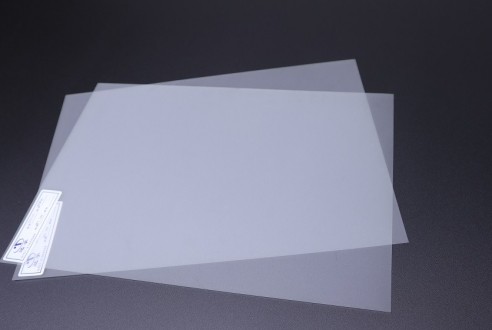
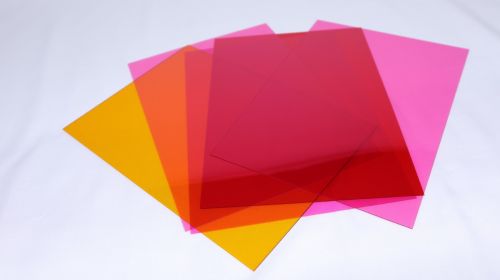
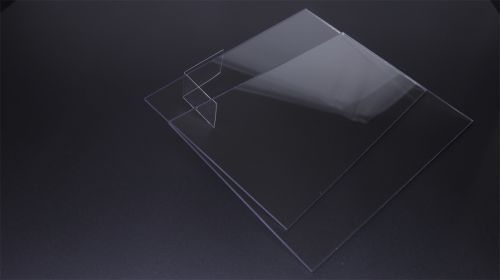
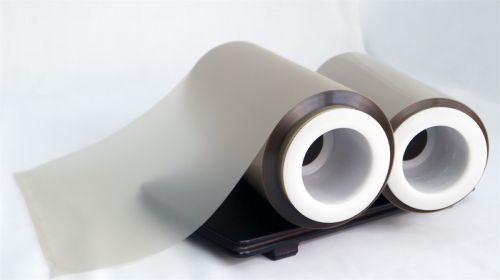
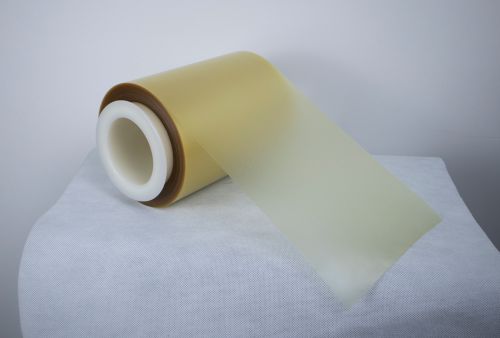
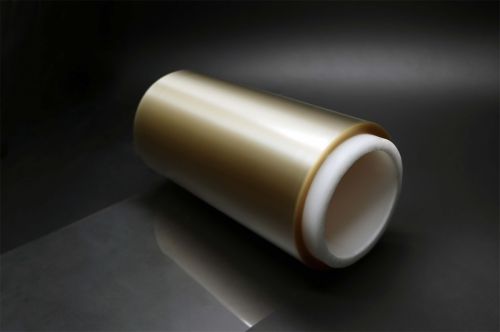
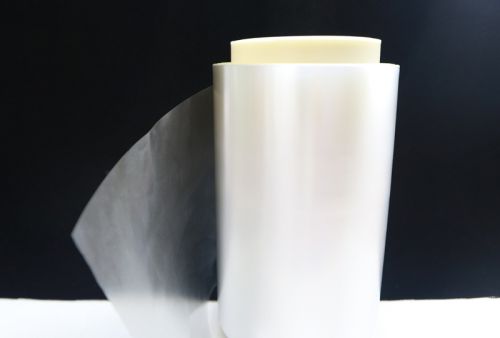
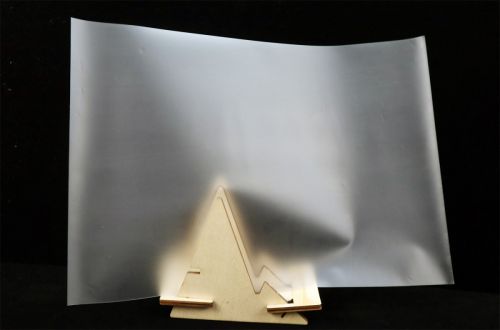
PEEK Film, made from polyether ether ketone, is a high-performance engineering thermoplastic film. Dafu PEEK Film provides long-term heat resistance up to 260°C together with high mechanical strength, wear resistance, chemical resistance, and electrical insulation.
These properties make PEEK Film relevant to motors, batteries, high-load electronics, and other systems that require reliable performance beyond the practical range of conventional films. The buyer must still match the material to the complete component. General PEEK performance is a starting point, not a substitute for application testing.
Defining Long-Term Heat Exposure Up to 260°C
Dafu PEEK Film offers long-term heat resistance up to 260°C. Buyers should distinguish long-term service temperature from short-duration peaks, melting behavior, and a single laboratory heat test.
An insulation component may operate continuously at elevated temperature, experience brief manufacturing peaks, or cycle between cold and hot conditions. Mechanical load and electrical stress can change how the film behaves at temperature.
Before selecting PEEK Film, engineers should define:
Normal continuous operating temperature
Maximum short-term exposure
Duration and frequency of peaks
Local hot spots
Heating and cooling cycle count
Mechanical pressure at temperature
Required service life
Permitted dimensional change
Electrical requirements after thermal aging
Qualification should include the complete insulation system. Adhesives, conductors, coatings, varnishes, and neighboring plastics may expand, contract, or age differently from PEEK.
The highest available temperature capability is not automatically the best economic choice. PEEK Film delivers value when the application genuinely needs its thermal margin.
PEEK Electrical Insulation in Compact Assemblies
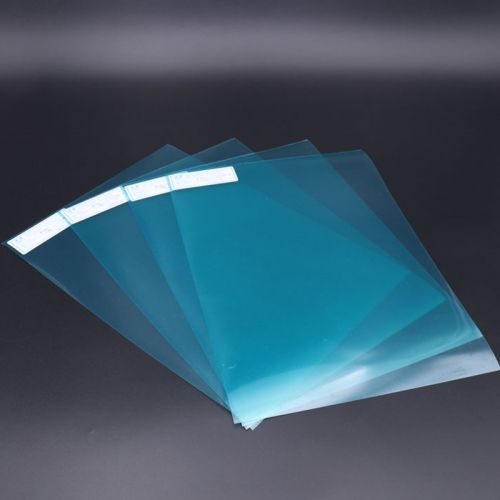
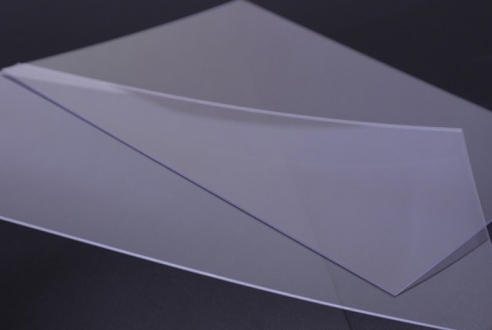
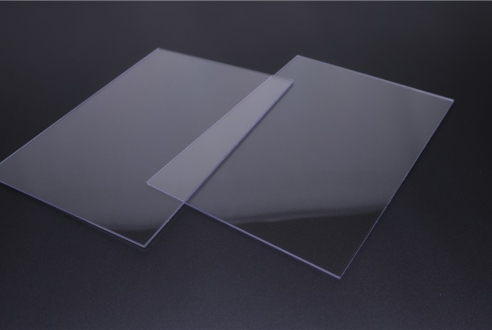
PEEK Film can act as a dielectric barrier, interlayer insulation, slot liner, phase separator, coil wrap, cable insulation component, or die-cut electrical barrier.
The required film should be selected according to operating voltage, peak voltage, frequency, humidity, contamination, clearance, creepage distance, and service life. Thickness influences electrical margin, but component geometry is equally important.
Holes, slots, folds, sharp corners, cut edges, scratches, and assembly pressure can concentrate electrical stress. A flat film sample may not represent a tightly formed part or film wrapped around a conductor.
Buyers should test finished components after processing and aging. Evaluation may include dielectric strength, insulation resistance, partial-discharge behavior where relevant, dimensional change, and failure location.
PEEK Film should not be used to compensate for poor electrical design. Adequate margins, smooth edges, controlled spacing, and clean assembly remain essential.
Mechanical Strength and Resistance to Wear
Dafu PEEK Film provides high mechanical strength and wear resistance. These characteristics are important when insulation is inserted, wrapped, flexed, clamped, or exposed to vibration and movement.
Motor and electronic assemblies may subject film to edge contact during installation and repeated micro-movement during service. Wear can gradually reduce thickness and electrical margin, even when the initial component passes testing.
Designers should consider:
Tensile and tear behavior
Puncture risk
Bend radius
Edge pressure
Vibration frequency
Sliding or rubbing contact
Assembly tooling
Thermal expansion mismatch
Parts should avoid sharp metal burrs and concentrated loads. Cutting tools should produce clean edges without cracks or notches. Formed features should use appropriate radii.
Durability testing should reproduce temperature, pressure, vibration, and movement together when possible. A room-temperature mechanical test does not fully represent a hot operating component.
Chemical Resistance and Material Compatibility
PEEK Film offers strong chemical resistance, making it useful in systems exposed to oils, coolants, solvents, battery materials, varnishes, cleaning chemicals, or other process fluids.
Chemical resistance is not a universal statement for every concentration, temperature, stress level, and exposure time. The buyer should identify every substance that may contact the film during manufacturing, service, cleaning, maintenance, or an abnormal event.
Compatibility testing should evaluate:
Swelling or weight change
Cracking or embrittlement
Surface appearance
Mechanical strength retention
Electrical performance
Bond strength with adhesives
Dimensional change
Performance after combined heat and chemical exposure
Mixtures can behave differently from individual chemicals. Residual process chemicals may also remain trapped inside a laminate or wound component.
Finished-component testing is important because stress, heat, and chemical contact can act together. A film that is stable while unstressed may respond differently when bent or clamped.
PEEK Film for Motor Insulation
High-performance motors can generate substantial heat and experience voltage stress, vibration, and contact with varnishes or oils. PEEK Film can be considered for slot insulation, phase separation, coil wrapping, lead insulation, and die-cut barriers.
The film must survive insertion and winding without tearing or creating sharp folds. During operation, it must maintain dimensions and electrical performance under temperature cycles and vibration.
Motor qualification should consider winding geometry, impregnation materials, operating speed, cooling method, transient overloads, and expected lifetime. Edges of laminations or metal parts should be inspected carefully because thin film cannot protect against severe burrs.
Manufacturers should test the complete insulation system rather than substituting PEEK Film into an existing design without adjustment. Its stiffness, friction, forming behavior, and bonding may differ from the previous material.
PEEK Film for Battery and Power-Electronics Applications
Battery and power-electronics assemblies require insulation in compact spaces near heat-producing and electrically active components. PEEK Film can serve as a protective or isolating layer where high temperature, chemical exposure, and mechanical pressure are important concerns.
Potential functions include cell or module barriers, busbar insulation, electrical separation, protective wrapping, and die-cut insulation parts. The exact suitability depends on voltage, temperature, electrolyte or coolant exposure, flame requirements, pressure, and pack design.
Battery qualification should evaluate normal operation, charging, thermal cycling, vibration, humidity, and foreseeable fault conditions. A general PEEK material description does not constitute approval for a specific battery system.
Adhesives and coatings should be evaluated after heat and chemical aging. Bonded film must not create bubbles, delamination, or stress that changes the component geometry.
Processing, Slitting, and Die-Cutting PEEK Film
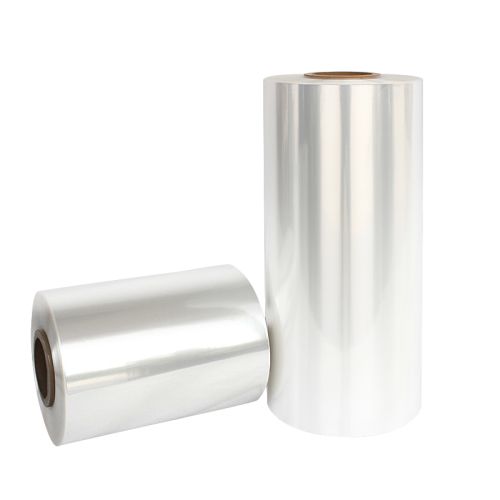
PEEK Film may be slit, die-cut, printed, coated, laminated, thermoformed, or bonded into finished parts. Each process can influence mechanical and electrical reliability.
Converters should control:
Thickness and flatness
Web tension
Static and cleanliness
Cutting-tool sharpness
Burrs and edge quality
Hole and slot accuracy
Minimum bend radius
Forming temperature and time
Surface preparation
Packaging of finished parts
Die-cut components should be inspected around corners, narrow bridges, and holes. Microscopic edge cracks can become mechanical or electrical failure points.
Thermal processing should be optimized for the exact film and geometry. Excessive heat may create distortion, while insufficient heat can leave forming stress.
Pilot trials should use production-scale equipment and representative roll lengths. A small hand-cut sample cannot reveal web-handling or automated feeding problems.
PEEK Film Versus PEI and Conventional PET Film
Material selection should balance required performance and lifecycle cost.
Conventional PET Film is widely used for electrical insulation and offers efficient processing, but its thermal and chemical capability may be insufficient for extreme-duty applications. Dafu PEI Film provides long-term heat resistance up to 170°C, dimensional stability, creep and fatigue resistance, and inherent flame resistance.
Dafu PEEK Film extends long-term temperature capability to 260°C and adds stronger wear and chemical resistance for more severe environments.
The correct material is not always the one with the highest specification. PEI may be a better economic choice when 170°C capability is sufficient. PET may be appropriate in moderate conditions. PEEK delivers value when heat, wear, chemicals, or reliability demands justify it.
Buyers should compare cost per finished component, processing yield, service life, qualification burden, and failure consequences rather than film price alone.
Quality Consistency and Defect Control
Electrical and precision mechanical applications require stable thickness, clean surfaces, controlled edges, and repeatable roll quality.
Buyer specifications may include:
Thickness and tolerance
Cross-web and machine-direction uniformity
Width and edge quality
Surface defects and contamination
Flatness and curl
Roll winding and alignment
Electrical test requirements
Batch identification and traceability
Defect acceptance should reflect application risk. A visible mark that is acceptable in a protective layer may be unacceptable in a high-voltage insulation part.
Incoming inspection should use defined lighting, sampling, measurement methods, and acceptance criteria. Representative samples from more than one batch can provide greater confidence before commercial approval.
Questions to Ask a PEEK Film Supplier
International buyers should ask:
How is long-term heat resistance up to 260°C defined?
Which thicknesses and widths are available?
How are thickness uniformity and roll quality controlled?
What electrical information is available for the selected grade?
What chemical-compatibility information is available?
Which cutting, forming, and bonding processes are recommended?
What storage and handling conditions apply?
Can samples or trial rolls be supplied?
How are defects classified and traced?
What documentation is available for the intended market and application?
The supplier should receive full information about temperature, voltage, chemicals, mechanical load, processing, geometry, and required service life.
Conclusion
Dafu PEEK Film offers long-term heat resistance up to 260°C, high mechanical strength, wear resistance, chemical resistance, and electrical insulation. It is suited to motors, batteries, high-load electronics, and other extreme-duty components where conventional films may not provide enough reliability.
The best results come from precise requirement definition and component-level validation. Buyers should evaluate heat exposure, voltage, chemicals, wear, geometry, cutting, bonding, and batch consistency together.
When the application genuinely demands its performance, PEEK Film can reduce lifecycle failure risk and support compact, durable electrical and mechanical designs.