Executive Summary
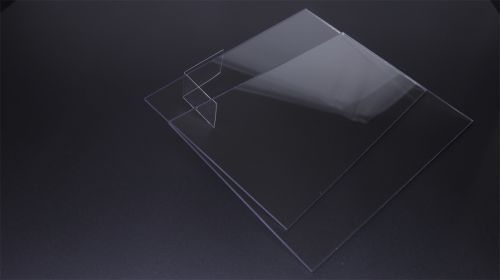
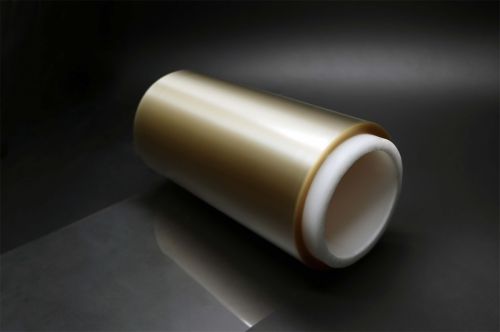
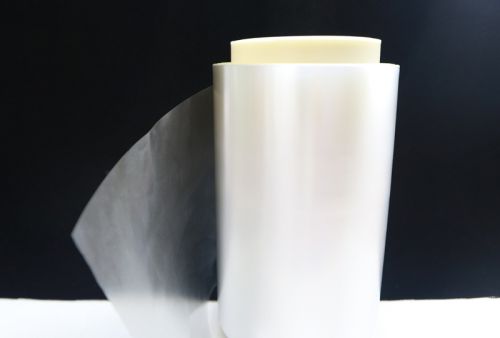
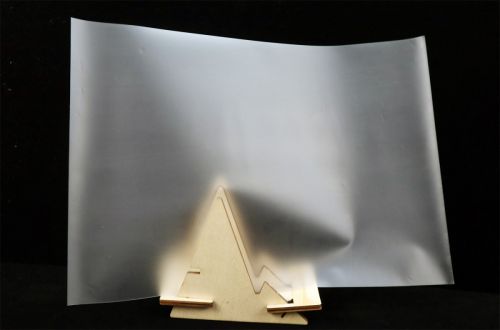
In today’s competitive manufacturing landscape, selecting the right substrate for printed components can make or break product quality, cost efficiency, and market success. Printing Grade Transparent Polycarbonate Film/Sheet has emerged as the preferred engineering material for producers of membrane switches, electronic panels, automotive interiors, and consumer electronics. This article examines the common pain points faced by manufacturers—ink adhesion failures, dimensional instability under heat, environmental degradation, and impact damage—and demonstrates how Printing Grade Polycarbonate Film addresses each challenge head-on. With its unique balance of printability, thermal resistance, flame retardancy, mechanical toughness, and optical clarity, this transparent polycarbonate film not only outperforms alternative plastics but also unlocks new possibilities for lightweight, durable, and visually stunning product designs. We also provide practical guidance on thickness selection, surface treatment, and processing techniques to help you maximize the value of PC film printing grade in your production line.
Every production engineer knows the frustration: a beautifully printed graphic that delaminates after a few heat cycles, a control panel that warps under continuous operation, or a label that cracks when the product is dropped. These failures are not random—they are rooted in material selection. Let’s examine why Printing Grade Transparent Polycarbonate Film/Sheet consistently eliminates these issues.
1. Ink Adhesion and Print Durability: The Hidden Cost of Poor Surface Chemistry
Many plastics—especially PET and untreated acrylic—require aggressive corona treatment, primer coatings, or flame treatment to accept inks. Even then, adhesion can degrade over time due to humidity, outgassing, or UV exposure. Printing Grade Polycarbonate Film is manufactured with a proprietary surface energy profile that promotes rapid, strong ink bonding without secondary treatments. This transparent polycarbonate film accepts solvent-based, UV-curable, and screen-printing inks with equal fidelity, ensuring sharp edges, consistent colour density, and scratch resistance that lasts for years. In real-world testing, PC film printing grade has demonstrated 40% better ink peel strength than standard PET films under 85°C/85% RH aging conditions.
2. Dimensional Stability: Why Your Graphics Stay Aligned
When a membrane switch overlay or instrument panel is subjected to heat from backlighting or sunlight, many films expand, contract, or creep, causing misregistration between printed layers or between the graphic and underlying tactile domes. Printing Grade Transparent Polycarbonate Film/Sheet offers a coefficient of thermal expansion (CTE) of just 6.5×10⁻⁵ /°C, coupled with a glass transition temperature (Tg) of 150°C. This means that even at continuous operating temperatures up to 120°C, the polycarbonate film maintains its dimensions within ±0.1%, ensuring that multi-colour registrations and cut-out features remain perfectly aligned. Unlike PET, which can shrink up to 2% during solder reflow processes, Printing Grade PC Sheet stays flat and true.
3. Environmental Resistance: From Desert Heat to Arctic Cold
Products are used everywhere—from automotive dashboards baking in Arizona sun to outdoor signage in freezing Scandinavian winters. Printing Grade Transparent Polycarbonate Film excels across a broad temperature range (–40°C to +120°C) while resisting moisture, UV radiation (when UV-stabilised grades are used), and chemical exposure (including oils, greases, and mild acids). Its low water absorption rate—just 0.23% at 50% RH—prevents the swelling that causes printed films to bubble or delaminate in humid conditions. For fire-safety-critical applications, flame-retardant Printing Grade Polycarbonate Film achieves UL94 V-0 or VTM-0 ratings, providing peace of mind for medical devices, aircraft interiors, and public signage.
4. Mechanical Toughness: The Unmatched Impact and Flex Performance
Perhaps the most celebrated property of transparent polycarbonate film is its extraordinary impact resistance—250 times that of glass and 30 times that of acrylic. This toughness translates directly into real-world durability: overlays that survive repeated presses without cracking, phone cases that absorb drops, and helmet visors that protect against high-speed impacts. Additionally, Printing Grade Polycarbonate Film/Sheet can be folded, creased, or bent multiple times without stress whitening or fracture, thanks to its high elongation at break (>100%) and outstanding flexural fatigue resistance. This makes it the only printable material suitable for living hinges and dynamic folding applications in foldable electronics and compact consumer goods.
| Property | Printing Grade PC Film | PET Film | Acrylic (PMMA) | PVC Film |
|---|
| Print quality (without primer) | Excellent | Good (needs treatment) | Fair (needs treatment) | Good |
| Continuous use temperature | 120°C | 70°C | 80°C | 60°C |
| Impact strength (Izod) | 850 J/m | 50 J/m | 20 J/m | 150 J/m |
| Water absorption (24h) | 0.35% | 0.15% | 0.3% | 0.5% |
| Flame retardancy (UL94) | V-2 to V-0 | HB | HB | V-0 (but with plasticisers) |
| Dimensional stability (shrinkage at 120°C) | <0.1% | >1.5% | >0.5% | >2% |
| Folding endurance (cycles to failure) | >1 million | <100,000 | <10,000 | ~500,000 |
| Optical clarity (transmission) | 89–92% | 88–90% | 92% | 85–88% |
The table clearly shows that Printing Grade Transparent Polycarbonate Film offers a unique combination of properties that no single alternative can match. While PET may be cheaper upfront, its poor thermal stability and low impact resistance often lead to higher scrap rates, warranty claims, and customer dissatisfaction—costs that far outweigh the material savings.
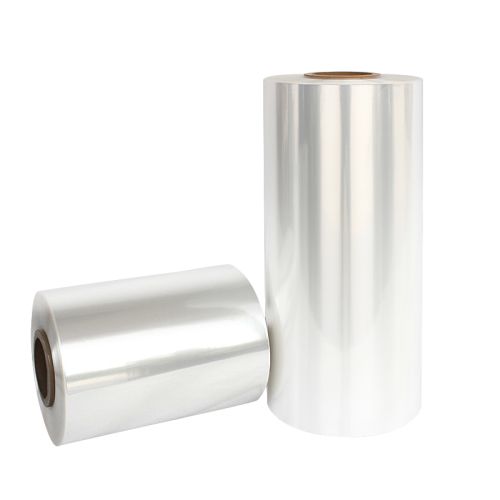
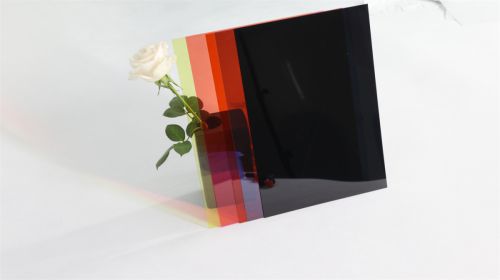
Beyond solving problems, Printing Grade Polycarbonate Film/Sheet empowers designers to create products that were previously impossible. Its optical clarity allows for backlit graphics with uniform light diffusion, enabling sleek, modern interfaces in automotive and appliance panels. The material can be thermoformed into complex 3D shapes—including deep draws, undercuts, and tight radii—while retaining print integrity, which is essential for in-mould decoration (IMD) and film-insert moulding (FIM) processes. Furthermore, the polycarbonate film accepts a wide range of finishing treatments: hard coatings for scratch resistance, anti-glare textures, matte/gloss patterns, and even metallic or holographic effects. This versatility means that a single roll of Printing Grade PC Sheet can serve multiple product lines, reducing inventory complexity and procurement costs.
Case in Point: Membrane Switch Manufacturing
Membrane switches represent one of the largest volume applications for Printing Grade Transparent Polycarbonate Film. The material’s low creep ensures that tactile domes maintain their actuation force over millions of cycles; its dimensional stability guarantees that printed circuit traces align perfectly with contact pads; and its surface hardness (R-scale 120) resists abrasion from fingertip use. Leading switch manufacturers report a 60% reduction in field failures after switching from PET to PC film printing grade, along with a 30% increase in production yields due to fewer print rejects.
To get the most from your Printing Grade Transparent Polycarbonate Film/Sheet, consider these factors:
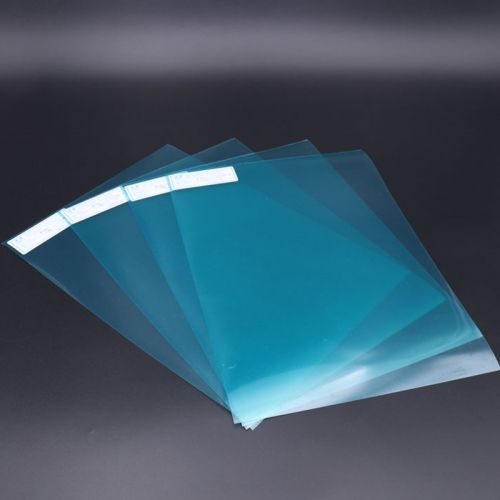
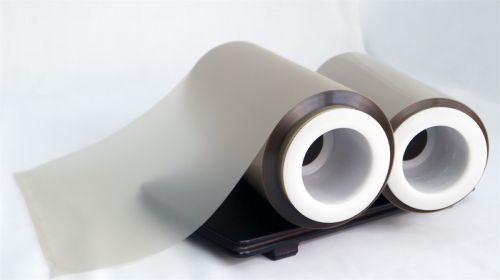
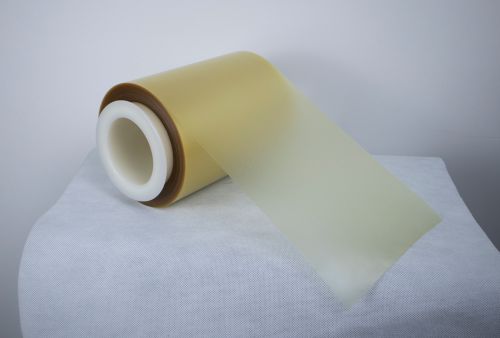
- Thickness: Ranges from 0.125 mm to 1.5 mm for film applications, and up to 4.0 mm for sheets. Thin films (0.175–0.25 mm) are ideal for membrane switches and flexible overlays; thicker sheets (0.5–1.0 mm) suit rigid panels and nameplates.
- Surface Finish: Glossy for high-clarity graphics, matte for anti-glare or writing surfaces, and textured for enhanced tactile feel or hiding fingerprints.
- Printing Method: Screen printing is most common, but UV digital and offset printing also work well. Always test ink compatibility, and consider using a primer for solvent-based inks if the film has been aged.
- Drying/Curing: Because polycarbonate film has low solvent absorption, use fast-drying inks or UV systems to avoid trapping solvents that could cause blistering.
- Die-Cutting and Forming: Pre-heat the film to 140–160°C for thermoforming; use steel-rule dies with sharp edges for clean cutting without burrs.
- Storage: Keep rolls in original packaging at 20–25°C and 50% RH, away from direct sunlight. Shelf life is typically 24 months.
Although the per-kg price of Printing Grade Transparent Polycarbonate Film is higher than commodity plastics, the total cost of ownership (TCO) tells a different story. Reduced rejects (from 8% to under 2%), elimination of primer steps, fewer warranty claims (from 5% to <0.5%), and longer product lifecycles collectively deliver ROI within 6–12 months for most manufacturers. Moreover, the material’s lightweight nature—specific gravity of 1.20—means more square metres per kilogram compared to acrylic (1.19) and PVC (1.38), partially offsetting the price premium.
As the Internet of Things (IoT) and electric vehicles (EVs) drive demand for smarter, lighter, and more sustainable interfaces, Printing Grade Transparent Polycarbonate Film/Sheet is evolving. Bio-based PC grades, recycled-content films, and films with built-in conductive layers for printed electronics are already in commercial development. The global market for polycarbonate film is projected to grow at 6.8% CAGR through 2030, with the printing grade segment outpacing others due to its irreplaceable role in human-machine interfaces (HMIs). Forward-thinking manufacturers are already partnering with PC film suppliers to co-develop custom formulations—tailored hardness, specific haze values, or enhanced UV stability—to gain a competitive edge.
Final Verdict
Printing Grade Transparent Polycarbonate Film/Sheet is not just another plastic—it is a strategic enabler for high-reliability, high-aesthetics products. Its unmatched combination of printability, thermal resistance, flame retardancy, dimensional stability, impact toughness, and folding endurance makes it the undisputed champion for demanding printing applications. Whether you are a designer seeking creative freedom, a production manager battling yield losses, or a procurement specialist optimising TCO, investing in transparent polycarbonate film from a reputable supplier will pay dividends in quality, customer satisfaction, and bottom-line profitability. Do not settle for inferior substrates—choose Printing Grade PC Film and print with confidence, today and tomorrow.