Introduction: The Optical Material Revolution
For decades, glass was the undisputed king of optical clarity. But glass is heavy, brittle, and limited in design flexibility. Enter optical grade transparent polycarbonate film—a material that retains the transparency of glass while offering a suite of performance advantages that glass cannot match. Today, optical grade polycarbonate sheet is the backbone of countless high‑tech products, from the sleek displays in electric vehicles to the lightweight optics in drones and wearable devices.
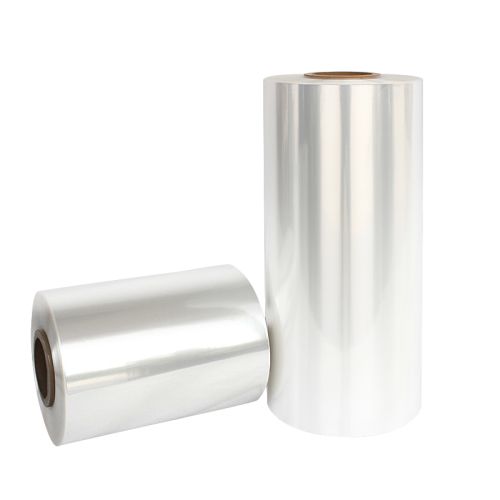
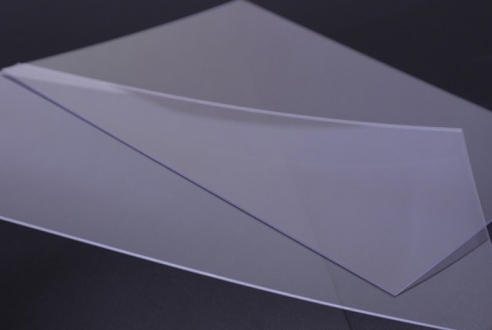
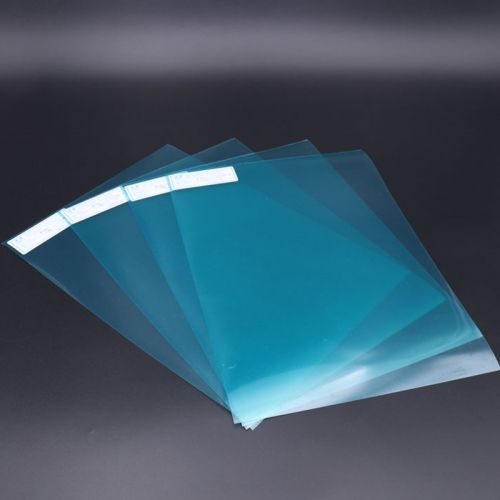
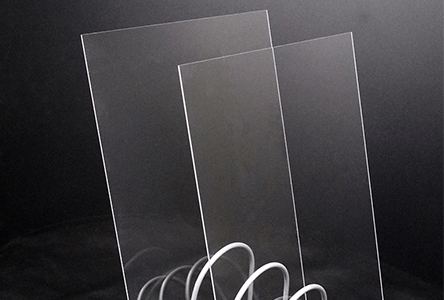
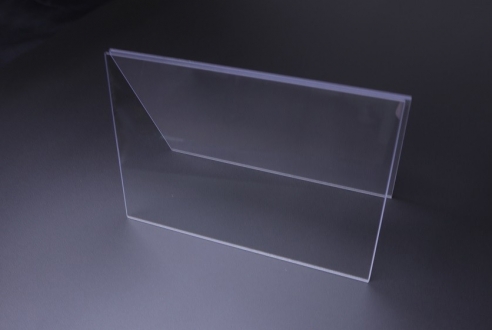
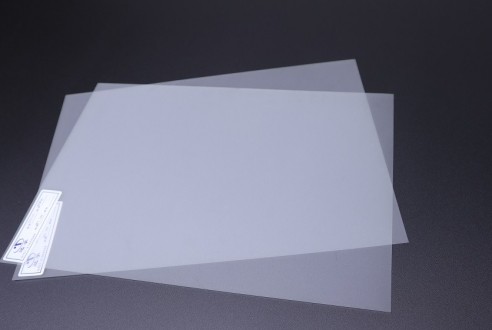
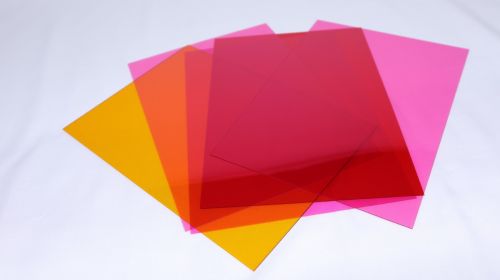
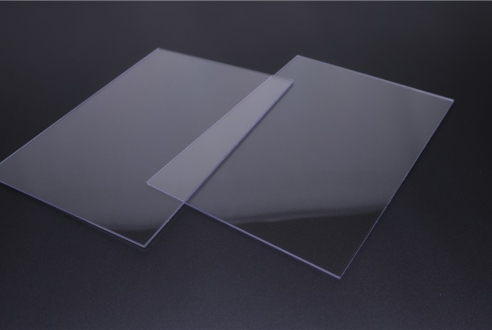
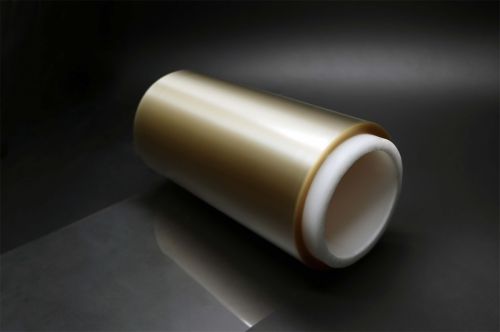
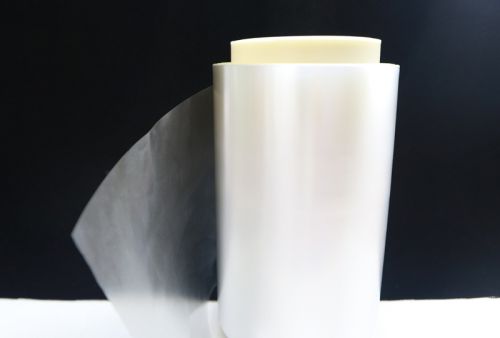
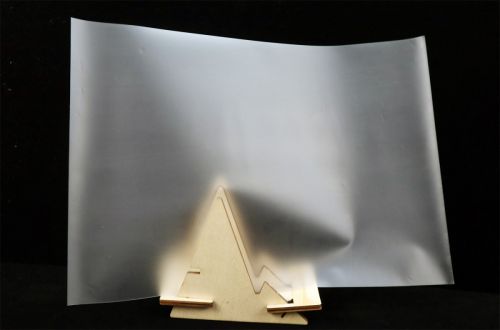
The difference lies in the manufacturing process. Unlike commodity polycarbonate, optical grade polycarbonate film is produced under Class 100 cleanroom conditions using ultra‑pure resin, with rigorous quality control to eliminate gels, scratches, and surface defects. The result is a film with light transmission ≥92%, haze ≤0.8%, and minimal birefringence—parameters that satisfy the most demanding optical specifications. Whether you need a roll‑to‑roll film for flexible electronics or a rigid optical grade polycarbonate sheet for flat panel displays, this material delivers consistent, predictable performance.
Why Optical Grade PC Film Outperforms Glass and Acrylic
1. Superior Impact Resistance Without Sacrificing Clarity
The most compelling reason to choose optical grade polycarbonate film is its extraordinary toughness. With an Izod impact strength of 850–950 J/m (unnotched), optical grade PC film is virtually unbreakable. This makes it the ideal substrate for protective covers in smartphones, tablets, and industrial touchscreens where drops and impacts are inevitable. In contrast, acrylic (PMMA) fractures easily, and glass shatters dangerously. By using optical grade polycarbonate sheet, manufacturers can offer shatter‑proof warranties and reduce replacement costs—a clear competitive advantage.
2. Lightweighting for Mobility and Portability
Weight reduction is a critical design goal in automotive and aerospace. Optical grade transparent polycarbonate film has a density of just 1.20 g/cm³, about half that of glass (2.5 g/cm³). Replacing glass with optical grade polycarbonate sheet in a car’s instrument cluster can save several kilograms, directly improving fuel economy and range in electric vehicles. In portable devices, lighter displays enhance user comfort and enable thinner form factors—a key selling point for premium electronics.
3. Design Freedom: Curved, Flexible, and 3D‑Shaped Optics
Glass is rigid and requires costly grinding and polishing to achieve curves. Optical grade polycarbonate film can be thermoformed, cold‑bent, or roll‑to‑roll processed to create complex shapes with optical precision. This opens the door to curved dashboard displays, wraparound smartphone screens, and lightweight heads‑up display (HUD) combiner lenses. Moreover, optical grade PC film is compatible with film insert molding (FIM), allowing seamless integration of decorative graphics, touch sensors, and hard coatings in a single step—something impossible with glass.
4. Thermal and Environmental Resilience
Optical grade polycarbonate sheet maintains its optical properties across a wide temperature range (−40°C to +130°C), making it suitable for both Arctic and desert environments. Advanced UV‑stabilized grades resist yellowing after 2,000+ hours of QUV exposure, ensuring long‑term clarity in outdoor signage and automotive glazing. This weather resistance, combined with low moisture absorption, guarantees dimensional stability in humid conditions—a common failure point for acrylic.
Emerging Applications Driving Demand for Optical Grade Polycarbonate Film
While traditional uses (display windows, digital photo frames, CD/DVD substrates) remain strong, the most exciting growth areas for optical grade polycarbonate film are in cutting‑edge technologies.
Augmented and Virtual Reality (AR/VR)
AR glasses require lightweight, high‑clarity waveguides and lenses that can be mass‑produced at low cost. Optical grade polycarbonate film with ultra‑low birefringence (≤10 nm retardation) is being adopted for diffractive optical elements and light guide plates. Its impact resistance also protects delicate optics in consumer VR headsets. As the AR/VR market is projected to grow at 30% CAGR, demand for optical grade PC film in this sector will skyrocket.
Flexible and Foldable Displays
The shift toward foldable smartphones and rollable TVs requires a flexible, transparent substrate that can withstand repeated bending. Optical grade polycarbonate film offers excellent flexural fatigue resistance (withstanding >200,000 cycles) while maintaining optical clarity. When coated with a hard coat, optical grade transparent polycarbonate film becomes the cover window of choice for foldable devices, replacing brittle ultra‑thin glass.
Automotive Human‑Machine Interface (HMI)
Modern vehicles incorporate up to a dozen displays—instrument clusters, center stacks, passenger entertainment screens, and side‑mirror replacements. Optical grade polycarbonate sheet is the preferred material for these displays because it allows designers to integrate anti‑glare, anti‑fingerprint, and anti‑reflection coatings directly onto the substrate. Furthermore, its excellent printability enables backlighting and decorative trim without additional layers, simplifying assembly and reducing cost.
Medical and Scientific Optics
From surgical endoscopes to patient monitoring displays, medical devices demand impeccable clarity and sterilizability. Optical grade polycarbonate film can be gamma or EtO sterilized without degradation, and its self‑insulating properties prevent electrostatic discharge (ESD) that could damage sensitive electronics. Optical instrument eyepieces, magnifiers, and protective windows for laser systems increasingly rely on optical grade PC sheet for its balance of performance and safety.
Aviation and Unmanned Aerial Vehicles (UAVs)
Weight is paramount in aviation. Optical grade polycarbonate sheet is already used for aircraft window dust covers, and new developments in flame‑retardant grades (meeting FAR 25.853) expand its use to interior lighting panels and cockpit display screens. Drones and UAVs benefit from optical grade PC film for camera lenses and sensor covers, ensuring clear images even in turbulent conditions.
Sustainability: Optical Grade Polycarbonate Film in a Circular Economy
Environmental regulations and consumer preference are pushing materials toward sustainability. Optical grade polycarbonate film is fully recyclable (resin code 7). Many manufacturers now offer grades containing up to 30% post‑consumer recycled (PCR) content without compromising optical quality. Additionally, the lightweight nature of optical grade polycarbonate sheet reduces transportation emissions, and its long service life—often exceeding 10 years—minimizes waste. Unlike glass, which is energy‑intensive to produce and heavy to ship, optical grade PC film offers a lower carbon footprint over its lifecycle.
Choosing the correct optical grade polycarbonate film requires careful consideration of several parameters:
- Thickness: Available from 0.05 mm to 3.0 mm. Thinner films (0.05–0.5 mm) are used for flexible applications and touch sensors; thicker sheets (0.5–3.0 mm) for structural glazing and instrument panels.
- Surface Finish: Choose between glossy, matte, or textured surfaces depending on anti‑glare needs and coating adhesion.
- Coating Compatibility: Optical grade PC film can be hard‑coated (pencil hardness up to 6H), anti‑reflective (AR) coated, or metallized for mirror applications. Confirm that the coating process temperature does not exceed the material’s glass transition (147°C).
- Birefringence: For polarizing applications or HUDs, specify low‑birefringence (<10 nm) grades.
- Flame Retardancy: UL94 V‑0 rated optical grade polycarbonate sheet is available for electronics enclosures.
Always request batch‑test data for light transmission, haze, and yellowing index (YI) to ensure consistency. Reputable suppliers will provide a material certificate and process recommendations.
Processing Tips for Optimal Results
Working with optical grade transparent polycarbonate film requires attention to drying (moisture <0.02% before thermoforming), tool design (avoid sharp corners that cause stress whitening), and post‑forming annealing to relieve internal stresses. For die‑cutting, use sharp steel‑rule dies to prevent burrs. When bonding, use UV‑curable or silicone adhesives that do not outgas or craze the film. Following these guidelines ensures that the inherent properties of optical grade polycarbonate sheet—clarity, strength, and durability—are fully realized in the final product.
Conclusion: The Future is Clear—and It’s Made of Optical Grade Polycarbonate Film
From the palm of your hand to the cockpit of an aircraft, optical grade transparent polycarbonate film and optical grade polycarbonate sheet are quietly revolutionizing how we see and interact with technology. Their unique combination of optical excellence, mechanical toughness, lightweight construction, and design versatility makes them indispensable for today’s most innovative applications. As industries push for thinner, lighter, and more durable solutions, optical grade PC film stands ready to meet those challenges head‑on.
Whether you are an engineer developing the next generation of automotive displays, a product designer seeking a shatter‑proof cover for a wearable device, or a researcher exploring new optical concepts, optical grade polycarbonate sheet offers a proven, reliable, and cost‑effective solution. Embrace the material that does what glass cannot—and elevate your optical designs to new heights.