Abstract
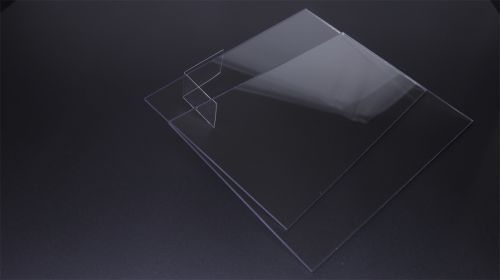
PC/PMMA composite sheet is an optical-grade co-extruded material that combines the impact resistance and toughness of polycarbonate (PC) with the surface hardness, scratch resistance, and optical clarity of polymethyl methacrylate (PMMA). Available in two-layer and three-layer configurations with thicknesses ranging from 0.05mm to 2.0mm, this innovative PC+PMMA composite board has emerged as the leading alternative to glass for smartphone back covers, automotive display panels, touch screens, and IMD/FIM in-mold decoration applications. With 5G and wireless charging technologies driving demand for signal-transparent, aesthetically versatile materials, the PC/PMMA composite sheet market is experiencing explosive growth—projected to reach $1.29 billion by 2032 at a CAGR of 25.1%. This article explores the material's exceptional properties, diverse applications across consumer electronics and automotive industries, and why PC/PMMA composite sheet is becoming the material of choice for manufacturers worldwide.
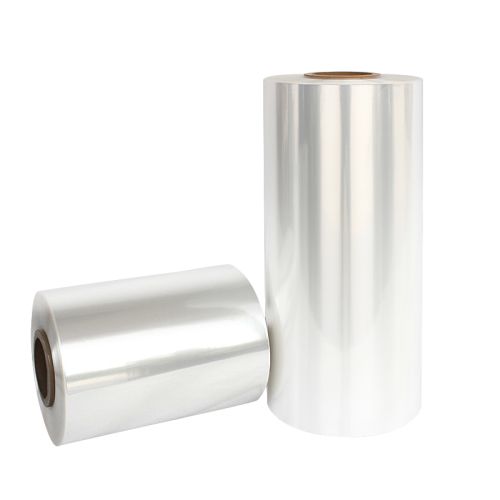
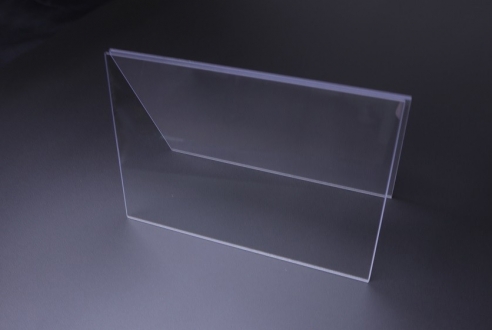
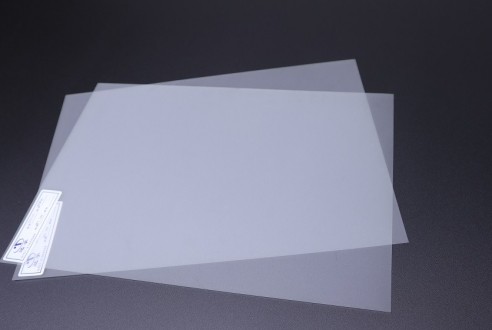
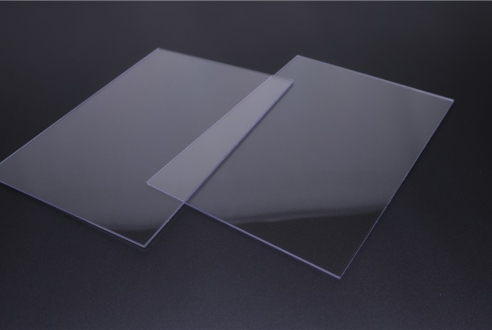
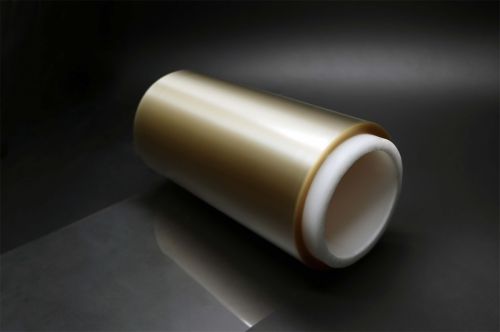
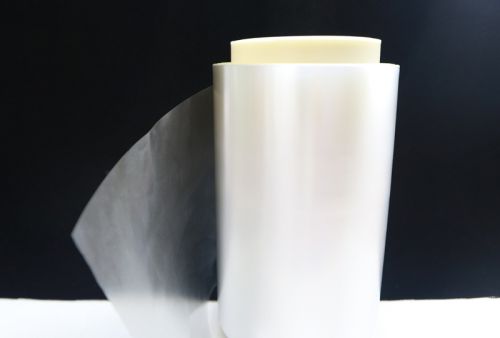
PC/PMMA composite sheet is a revolutionary multi-layer material manufactured through advanced co-extrusion technology that bonds polycarbonate (PC) and polymethyl methacrylate (PMMA) into a single, high-performance composite structure. Unlike traditional plastic alloys or simple laminates, PC/PMMA co-extruded sheet achieves molecular-level bonding between layers, creating a material that harnesses the best properties of both parent materials.
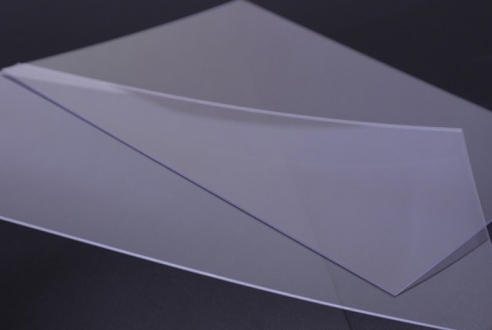
The PC/PMMA composite board typically features a PMMA outer layer that delivers exceptional surface hardness, scratch resistance, and optical clarity, while the PC inner layer provides outstanding impact resistance, bending strength, and overall structural toughness. This synergistic combination makes PC+PMMA composite sheet uniquely suited for applications demanding both aesthetic excellence and mechanical durability.
Available in two primary configurations:
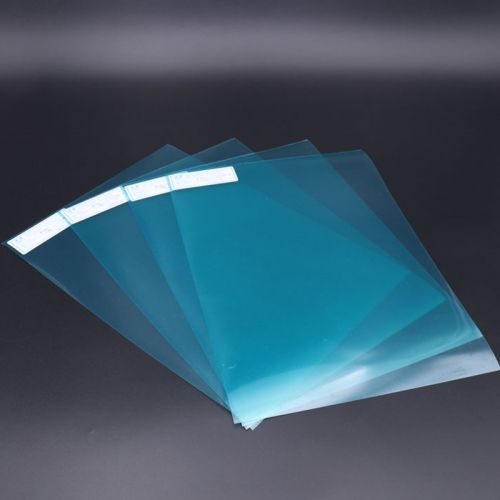
- Two-layer PC/PMMA composite sheet: Thickness ranging from 0.05mm to 2.0mm, commonly used for smartphone back covers, decorative components, and phone protective cases
- Three-layer PC/PMMA composite sheet: Thickness from 0.5mm to 2.0mm, offering enhanced structural integrity for automotive display panels and instrument clusters
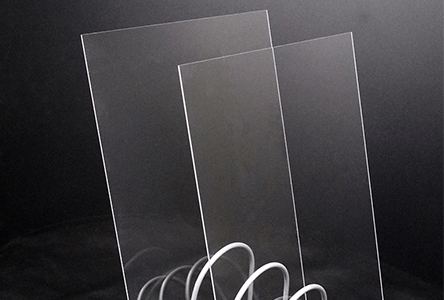
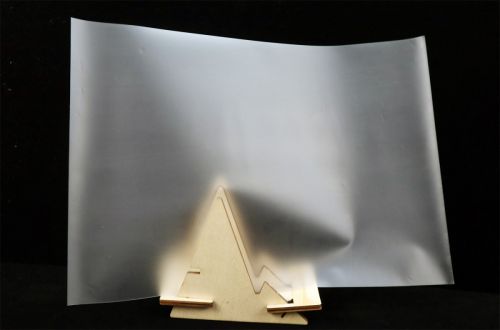
The material achieves over 91% light transmittance, delivering a crystal-clear, glass-like appearance that can be further enhanced through texture design and surface treatments.
2.1 Surface Hardness and Scratch Resistance
After surface hardening treatment, PC/PMMA composite sheet achieves a pencil hardness of 4H to 6H under 1000g load, providing exceptional resistance to scratches and abrasion. The material withstands #0000 steel wool testing at 1kg for 5,000 cycles, meeting the rigorous durability requirements for smartphone back covers and touch displays. This scratch-resistant property is a direct benefit of the PMMA layer, which delivers superior surface hardness compared to pure PC.
2.2 Impact Resistance and Toughness
While PMMA offers excellent hardness, it can be brittle under impact. The PC layer in PC/PMMA co-extruded sheet compensates for this limitation by providing outstanding impact resistance and flexibility. PC/PMMA composite sheet exhibits 200% higher impact strength compared to conventional PMMA, fundamentally overcoming the fragility inherent in glass. This combination ensures that PC+PMMA composite boards can withstand drops, bumps, and everyday wear without cracking or shattering.
2.3 Optical Clarity and Aesthetic Versatility
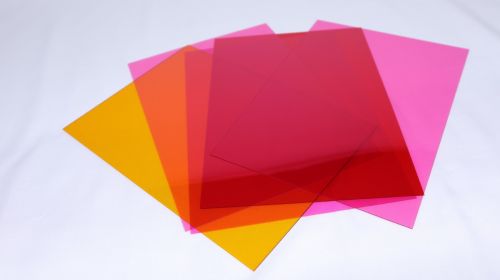
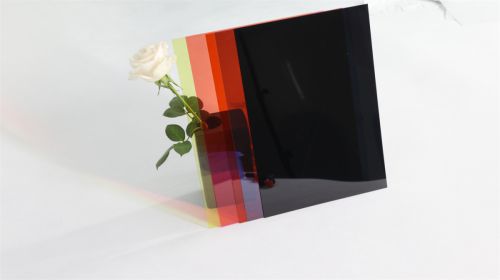
PC/PMMA composite sheet is an optical-grade material with exceptional transparency and gloss. Its glass-like appearance can be enhanced through texture design, UV transfer printing, electroplating, and decorative printing to achieve stunning visual effects including (flowing light and color) finishes. The material's excellent printability enables manufacturers to create virtually any color, pattern, or texture, making PC/PMMA composite board a favorite for brands seeking differentiation.
2.4 5G and Wireless Charging Compatibility
One of the most compelling advantages of PC/PMMA composite sheet is its signal transparency. Unlike metal back covers that interfere with 5G signals and wireless charging, PC/PMMA composite board is non-conductive and allows uninterrupted signal transmission. As 5G communication, wireless charging, and NFC technologies become fully commercialized, the demand for PC/PMMA composite sheet continues to surge.
3.1 Smartphone Back Covers
The smartphone industry represents the largest and fastest-growing market for PC/PMMA composite sheet. Leading brands including OPPO, vivo, Xiaomi, and Transsion have already adopted PC/PMMA composite board technology for their phone back covers.
Through 3D high-pressure forming and precision texture processing, PC/PMMA composite sheet achieves the visual appeal of 3D glass at a fraction of the cost, while delivering superior drop resistance. The manufacturing process involves screen printing, UV transfer printing, electroplating, and decorative printing followed by high-pressure forming at approximately 180°C. After hardening treatment, PC+PMMA composite board meets all durability requirements for smartphone back covers while enabling thinner, lighter device designs.
3.2 Automotive Display Panels and Interior Components
PC/PMMA composite sheet is increasingly specified for automotive applications including central information display screens, LCD instruments, and interior decorative panels. The material's heat resistance, UV stability, and optical clarity make it ideal for the demanding automotive environment.
Three-layer PC/PMMA composite sheet, with thicknesses from 0.5mm to 2.0mm, provides the enhanced structural stability required for vehicle display covers, instrument clusters, and control panels. The material's scratch resistance ensures long-term visual integrity in high-touch automotive interiors.
3.3 IMD and FIM In-Mold Decoration
PC/PMMA composite sheet serves as a universal base film for various high-pressure and hot-press IMD (In-Mold Decoration) and FIM (Film Insert Molding) processes. Applications include automotive control components, interior trim, instrument panels, mobile phones, monitors, luggage, and helmets.
The material's excellent high-stretch formability, combined with its hardness and wear resistance, makes PC/PMMA composite board ideal for complex 3D-shaped decorative parts. The ability to integrate decoration directly into the molding process reduces manufacturing steps and costs while enabling unprecedented design freedom.
3.4 Touch Panels, Lenses, and Display Windows
PC/PMMA composite sheet is widely used in touch panels, display windows, camera lens covers, membrane switch panels, and other optical or decorative electronic applications. The material's optical clarity, surface hardness, and impact resistance make it an ideal choice for protecting sensitive display components while maintaining pristine visual quality.
4. Manufacturing and Processing Capabilities
PC/PMMA composite sheet demonstrates exceptional processability, compatible with a wide range of manufacturing techniques including:
- Printing: Screen printing, UV transfer printing, and decorative printing
- 3D High-Pressure Forming: Achieves complex 3D shapes at approximately 180°C
- Thermoforming: Enables curved and contoured designs
- CNC Machining: Precision cutting, drilling, and edge finishing
- Laser Processing: Pattern engraving and cutting
- Hard Coating: Surface hardening for enhanced scratch resistance
The material's thickness can be customized from 0.05mm to 2.0mm with widths up to 1320mm, offering exceptional design flexibility.
5. Market Outlook and Growth Projections
The global PC and PMMA Composite Sheet market is experiencing remarkable growth. According to industry research, the market size is projected to reach $1.29 billion by 2032, growing at a compound annual growth rate (CAGR) of 25.1% from 2026 to 2032. Other forecasts suggest the market could reach as high as $2.3 billion by 2032.
The global smartphone back cover market for PC/PMMA composite sheets alone is expected to reach 3.8 billion RMB by 2031, with a CAGR of 15.2%. This explosive growth is driven by:
- The transition from metal to composite materials for 5G signal compatibility
- Increasing demand for wireless charging-enabled devices
- The cost advantage of PC/PMMA composite sheet over glass and ceramic
- Continuous innovation in texture design and 3D forming technologies
PC/PMMA composite sheet has established itself as a transformative material that bridges the gap between the aesthetic appeal of glass and the durability of plastic. By combining the hardness and optical clarity of PMMA with the impact resistance and formability of PC, PC+PMMA composite board delivers a compelling value proposition for manufacturers across consumer electronics, automotive, and decorative applications.
As 5G networks expand, wireless charging becomes ubiquitous, and consumers demand ever more sophisticated designs, the role of PC/PMMA co-extruded sheet will only grow. With the PC/PMMA composite sheet market projected to exceed $1.29 billion by 2032 and emerging applications in smart homes, wearable devices, and home robotics on the horizon, this innovative material is poised for sustained growth.
For manufacturers seeking a cost-effective, high-performance alternative to glass that delivers on both form and function, PC/PMMA composite sheet represents the material solution for the next generation of electronic devices and automotive interiors. Its unique combination of scratch resistance, impact toughness, optical clarity, and signal transparency makes PC/PMMA composite board the definitive choice for the 5G era and beyond.