UL94 V-0 vs VTM-0 — Which One Do You Need?
This is the #1 confusion in RFQs. Quick rule:
| Grade | Typical thickness window | Form | When to pick |
|---|
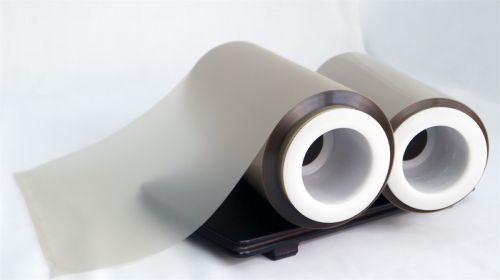
| VTM-0 | ≤ 0.25 mm (film) | Roll, flexible | Cell-top pads, CCS bracket skins, thin inter-cell separators |
| V-0 | ≥ 0.3 mm, up to 2.0 mm (DAFU black series goes to 2.0 mm) | Sheet or heavy film | Module end plates, PACK lid/liner, Busbar insulation shims |
Both are "self-extinguish, no burning drips" per UL94, but VTM-0 is the thin-film variant tested on specimens ≤0.25 mm—critical for EV battery spaces where every 0.1 mm counts.
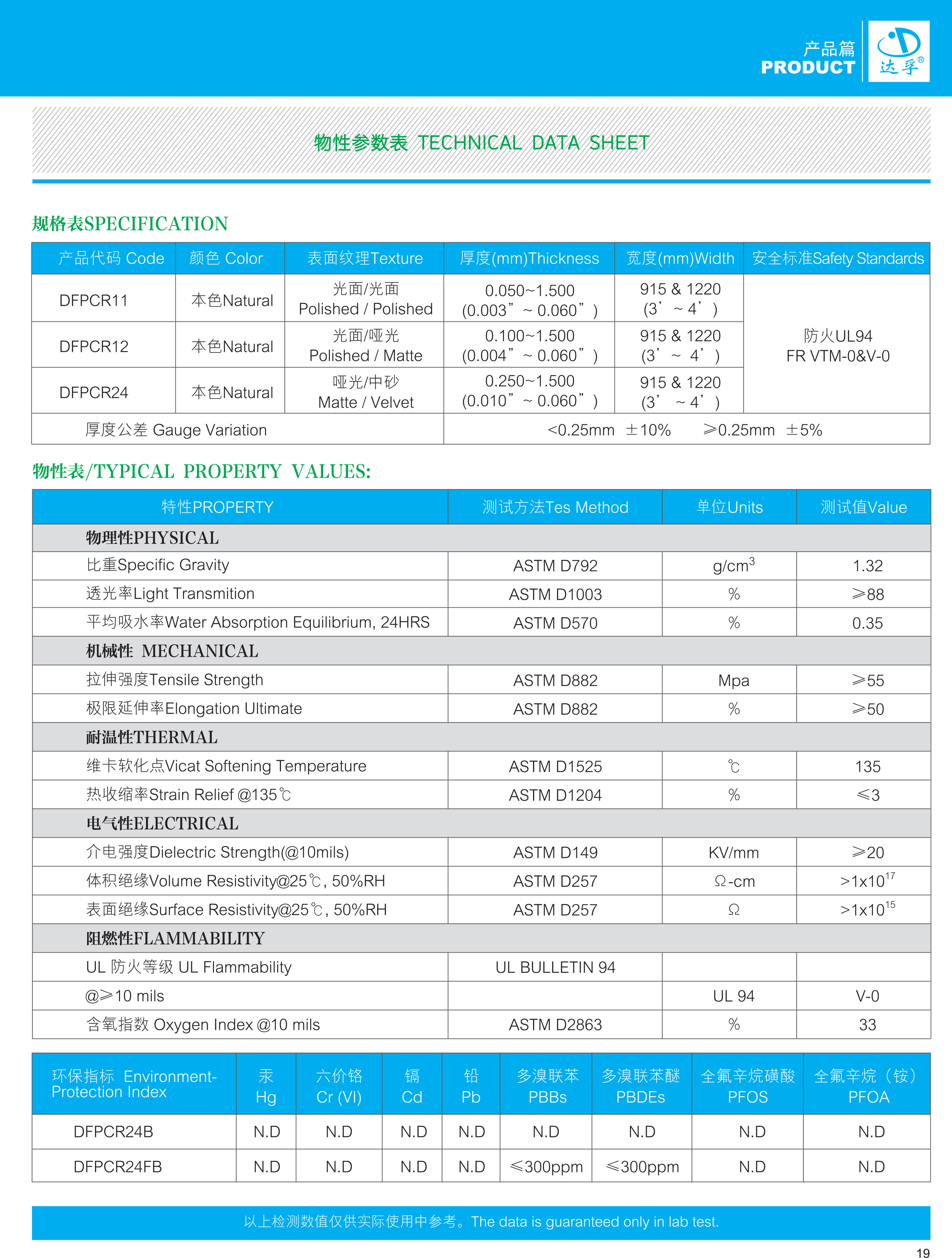
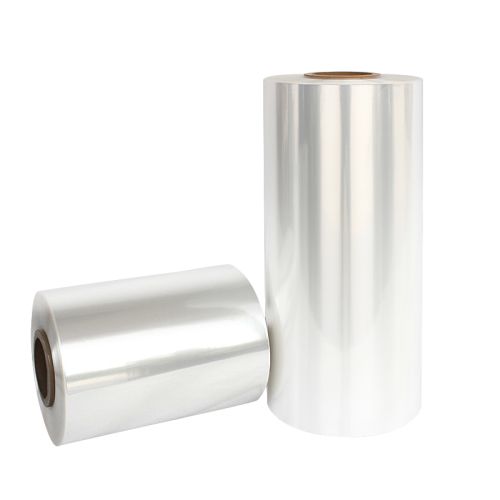
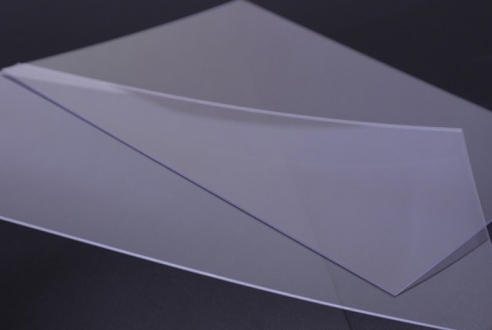
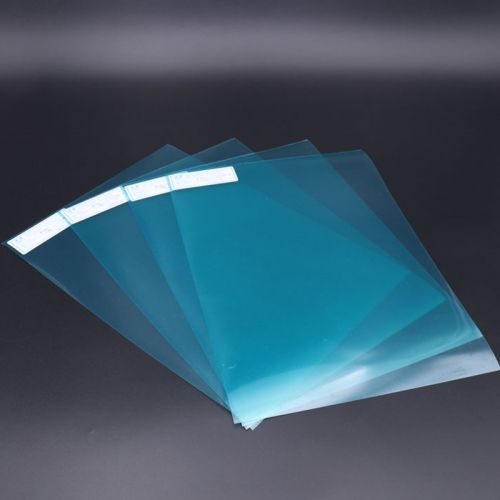
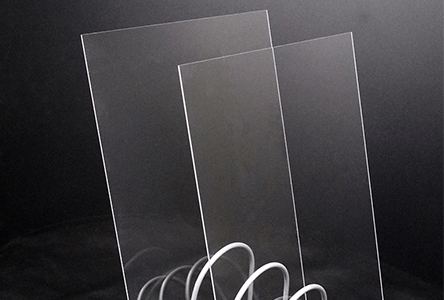
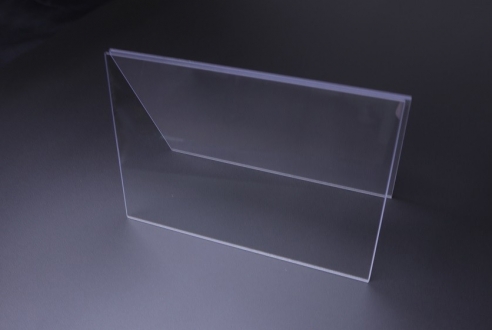
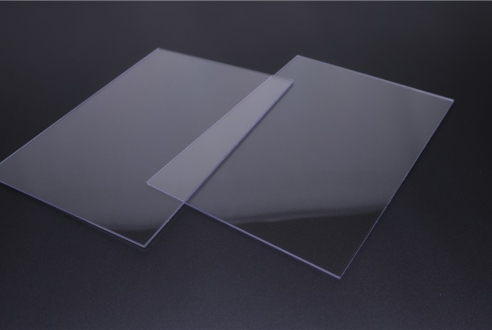
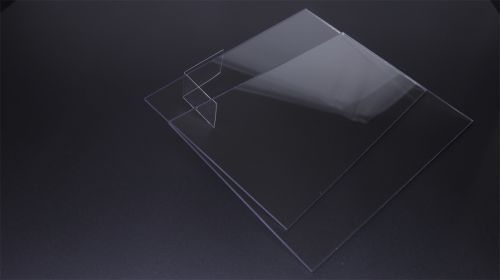
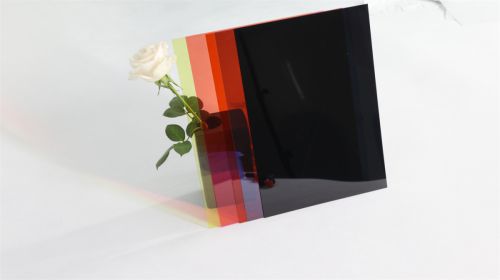
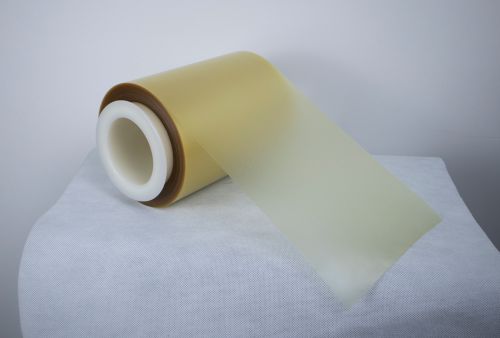
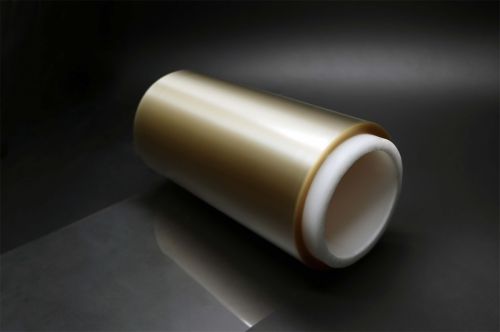
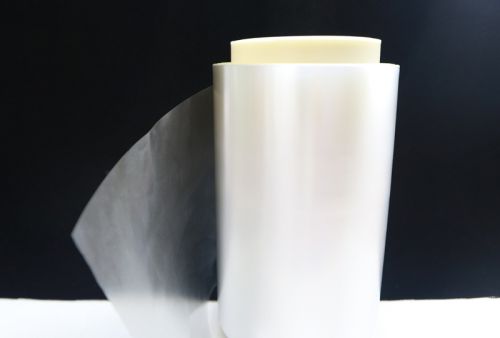
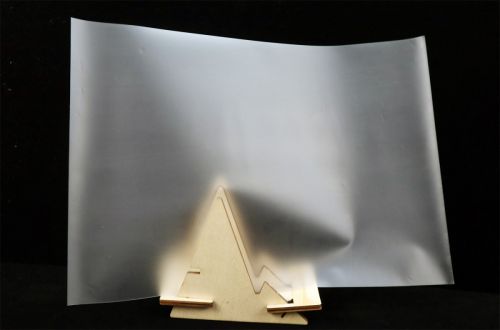
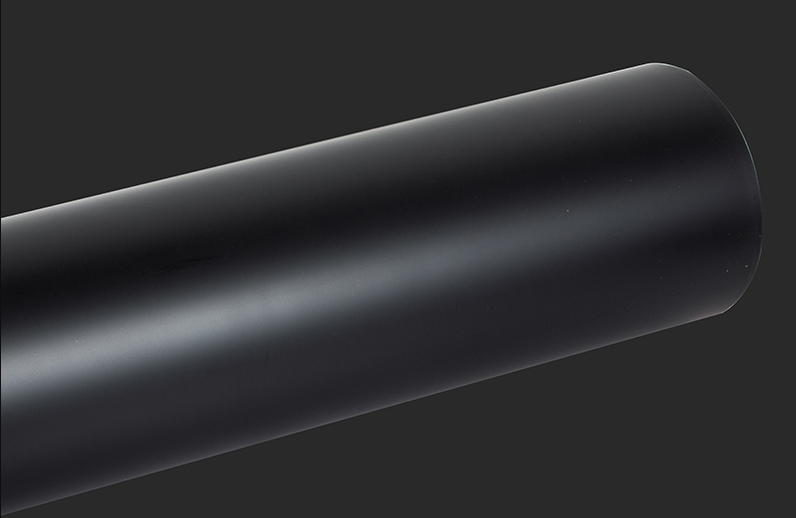
DAFU offers both: transparent V-0 film 0.05–1.5 mm (width 915–1220 mm) for applications needing light transmission, and black V-0 sheet 0.125–2.0 mm (width ≤1200 mm) for opaque, high-shielding use . Halogen-free and halogenated formulations available.
H2: Application 1 — Cell Level (Top/Bottom Pads & Inter-Cell Spacers)
Each cylindrical or prismatic cell gets a PC pad die-cut and back-adhesived to the aluminum shell top and bottom. Purpose:
- Electrical isolation between cell cap and module metalwork
- Thermal buffer — PC's low thermal conductivity slows heat cross-talk
- Anti-abrasion for the cell wrap itself
In prismatic stacks, thin VTM-0 PC also goes between adjacent cells as a separator that won't propagate flame if one cell vents.
H2: Application 2 — Module Level (CCS Brackets, Side/End Plates)
The CCS (Cell Contact System) integrated busbar assembly often uses PC film vacuum-formed into brackets that carry the FPC/signal collection layer .
Where DAFU PC goes in the module:
- CCS suction-formed brackets — PC's formability + V-0 rating makes it a go-to vs. ABS (which struggles above 100 °C)
- Side/end plate insulation shims — 0.5–1.0 mm black V-0 sheet between busbars and the module aluminum walls
- Voltage sampling wire routing — PC's surface resistivity keeps creepage paths clean
Compared with fiberglass/epoxy boards, PC sheet is lighter, doesn't splinter on die-cut, and bends instead of cracking under pack vibration.
H2: Application 3 — PACK Level (Lid Liner, Cell-to-Housing)
Inside the pack enclosure, DAFU PC film/sheet handles two jobs:
- PACK upper/lower lid insulation — liner between the pack shell (often aluminum stamping) and the high-voltage busbars underneath
- Cell-to-aluminum-housing isolation — prismatic packs use PC sheet between the cell stack sideface and the pack casing to block shorts if a cell swells and contacts the wall
Industry-comparable flame-retardant PC grades in this layer typically hold dielectric strength in the ~20–22 kV/mm range and operate long-term at –40 to 120 °C, short-term spikes to 135–150 °C — numbers worth asking DAFU's export team to confirm against your spec.
H2: Application 4 — BESS (Energy Storage Cabinets & Containers)
Stationary storage pushes the same material requirements, just at larger format:
- Inter-cell spacers in 280 Ah+ prismatic racks — V-0 PC sheet delays thermal propagation from cell N to N+1
- Module-to-rack insulation — BESS cabinets run 1000–1500 V DC bus; creepage distance rules make PC's volume/surface resistivity attractive
- Internal circuit shielding — black V-0 PC for BMS housing, contactor covers, etc.
BESS procurement tends to ask for halogen-free + low-smoke formulations (rail/metro spec bleed-through). DAFU's halogen-free black PC line covers this — worth flagging in early RFQ.
H2: DAFU Battery Flame-Retardant PC — Key Data
| Item | Transparent FR PC Film | Black FR PC Sheet |
|---|
| Base material | PC + FR additive | PC + FR (halogen-free / halogenated) |
| Thickness | 0.05 – 1.5 mm | 0.125 – 2.0 mm |
| Width | 915 – 1220 mm | ≤ 1200 mm |
| Flame class | UL94 V-0 | UL94 V-0 (≤0.25 mm also VTM-0 capable) |
| Certifications | ISO9001, ISO14001, SGS, MSDS, ROHS | Same + ROHS |
| MOQ | 1 ton | 1 ton |
| Typical forms | Roll (transparent, light-transmitting) | Sheet/roll (opaque, light-blocking) |
Sources: DAFU product pages .
H2: FAQ
Q: Do you supply VTM-0 ≤0.25 mm for CCS bracket skins?
A: Yes — DAFU transparent FR PC covers the thin-film window, and black FR sheet can be slit down to thin gauges. Confirm exact VTM-0 certification thickness on the latest UL yellow card with the export team.
Q: Halogen-free or halogenated — which for EV battery?
A: Most Tier-1 battery OEMs now spec halogen-free for passenger EV (low-smoke, toxic-gas concerns). Halogenated is still common in industrial/ESS where cost drives.
Q: Can this replace epoxy fiberglass board in PACK lids?
A: In many designs yes — PC sheet is lighter, die-cuts cleanly, and absorbs vibration better. Get DAFU to benchmark CTI/dielectric against your current FR-4 spec.
Q: Lead time for custom slit + die-cut pads?
A: Standard rolls 2–3 weeks; die-cut pad kits with back-adhesive need art-work confirmation — add 1 week.