As smartphone and tablet designs push toward thinner profiles, larger screens, and wireless charging compatibility, the choice of back cover material has become a critical engineering decision. Glass delivers premium gloss but shatters easily. Pure PC is tough but scratches within weeks. Pure PMMA is rigid but cracks on drop.
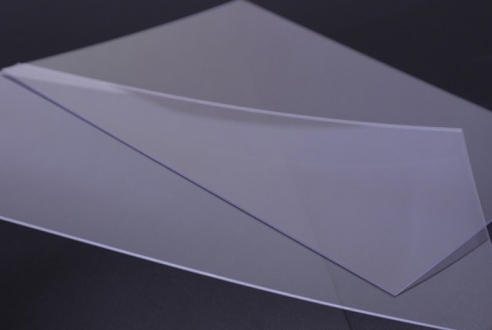
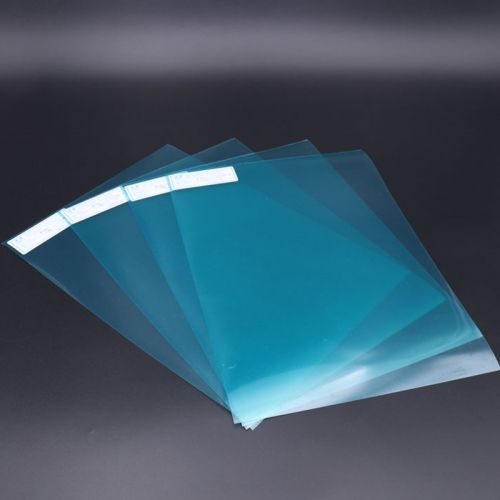
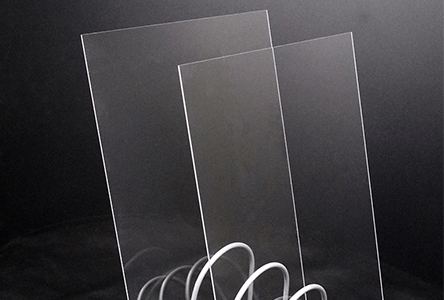
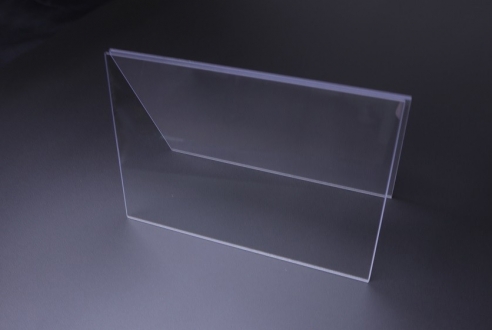
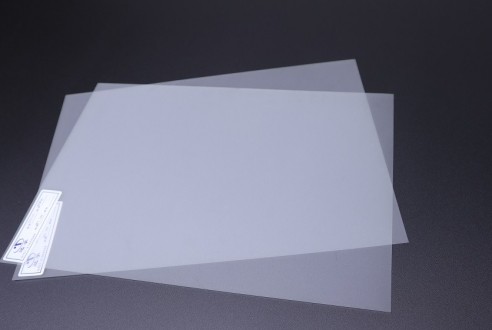
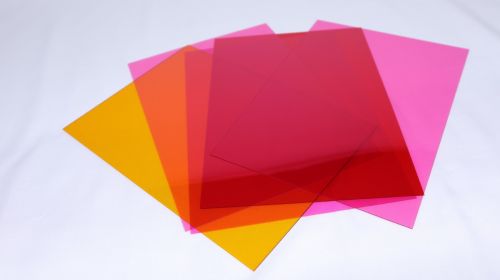
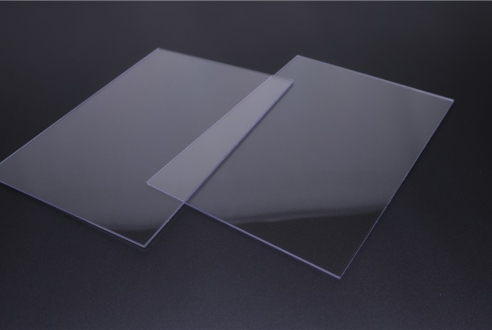
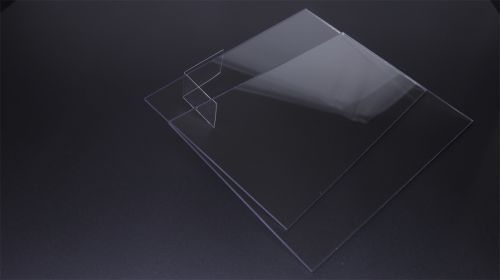
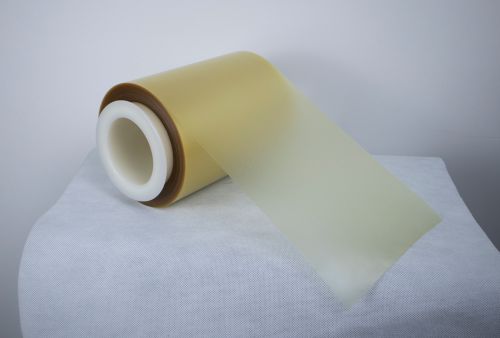
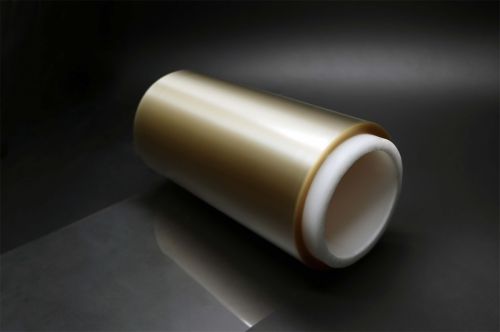
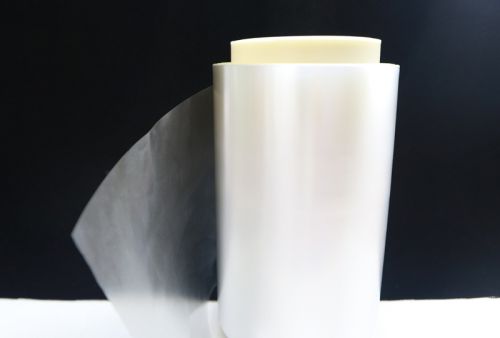
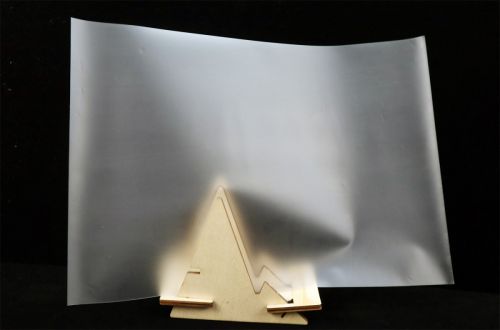
PC+PMMA composite sheet — through co-extrusion — solves this triangle by bonding PC's toughness with PMMA's surface hardness into one unified sheet. At Dafu New Material, we produce both 2-layer and 3-layer PC+PMMA composite sheets, giving brands flexibility across different cost, thickness, and performance targets.
Why PC+PMMA for 3C Back Covers?
| Property | PC side contribution | PMMA side contribution |
|---|
| Impact & flex | High impact strength, bend-resistant | — |
| Surface | — | 1H–3H pencil hardness (after HC), high gloss |
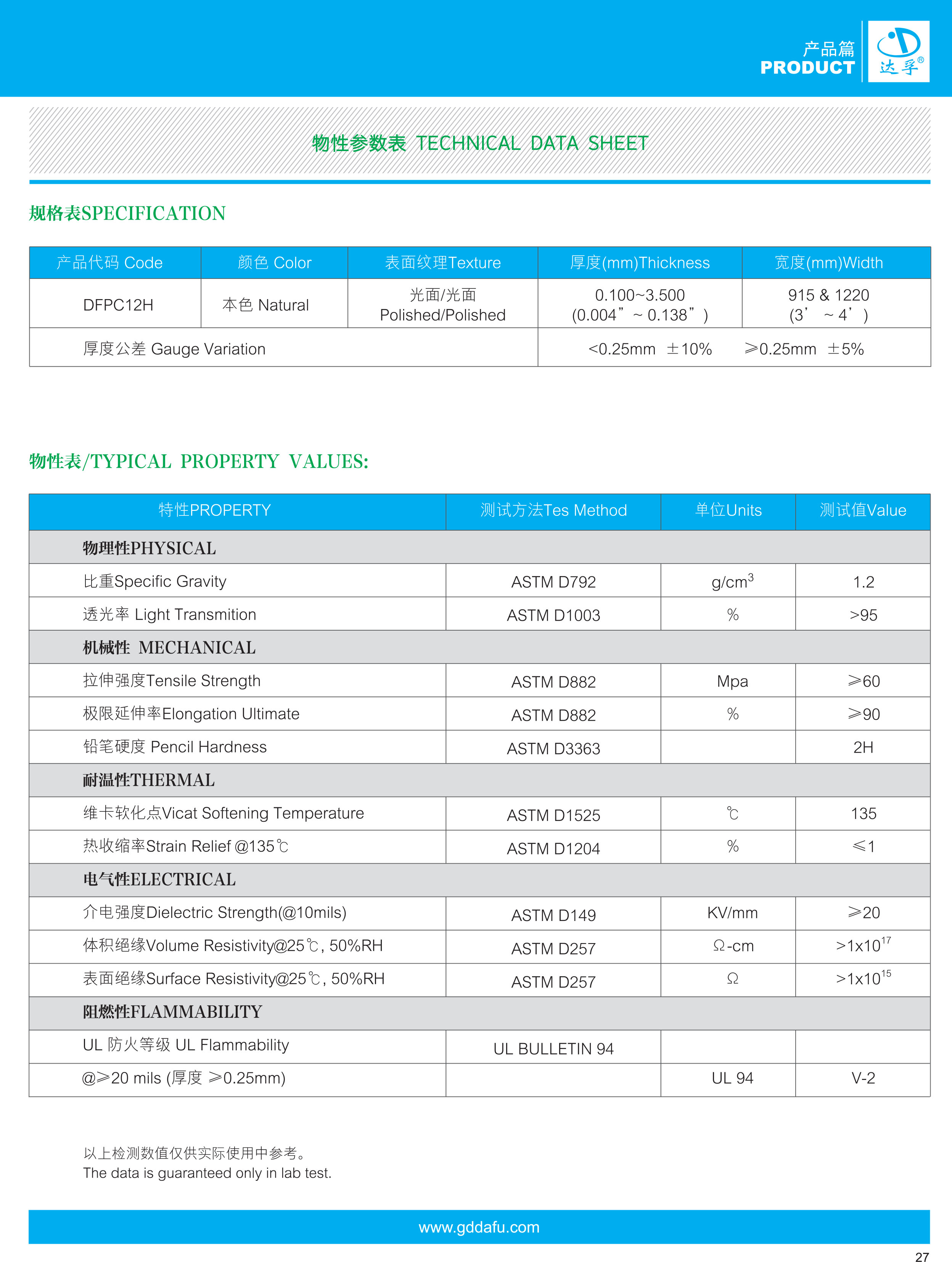
| Optics | — | >90% light transmission, low haze |
| Process | Thermoformable, die-cut friendly | Excellent printability (IMD/IML) |
Key performance wins:
- Drop survival, post-hard-coating. The PC core absorbs impact energy; the PMMA outer face resists daily abrasion. After hard-coating, the sheet passes stricter ball-drop and steel-wool tests vs. uncoated PC.
- Glass-like aesthetics, lighter. 40–50% lighter than glass at comparable thickness, enabling thin-wall 5G/WiFi-friendly back covers.
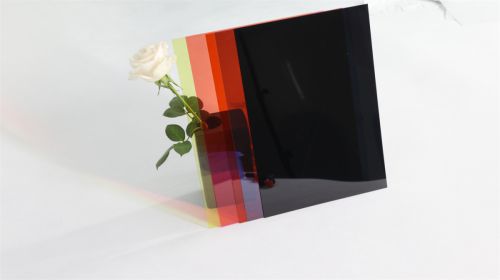
- Print & texture freedom. PMMA face takes IMD/IML inks extremely well — matte, AG (anti-glare), AF (anti-fingerprint), brushed, holographic — all moldable in one shot.
- 3D forming capability. Supports high-pressure forming (HPF) for curved edges and quad-curved backs common in flagship phones and tablets.
Dafu's 2-Layer vs 3-Layer Structure
- 2-Layer PC+PMMA (Classic co-extrusion) Structure: PC substrate + PMMA top layer (or reversed per spec). Best for: Standard phone back covers, mid-high tier tablets, cost-sensitive yet premium-look SKUs. Advantage: Balanced performance, simpler gauge control, easier thermoforming.
- 3-Layer PC+PMMA (Functional sandwich) Structure: Typically PC core + dual-side or asymmetric PMMA, or PC–functional-middle–PMMA. Best for: Flagship backs requiring extra stiffness, anti-NVH (for tablets), or built-in functional layers (e.g., light-blocking, IR-pass, shielding primer-ready). Advantage: Finer warp control, better symmetry in 3D forming, tunable optical/mechanical split.
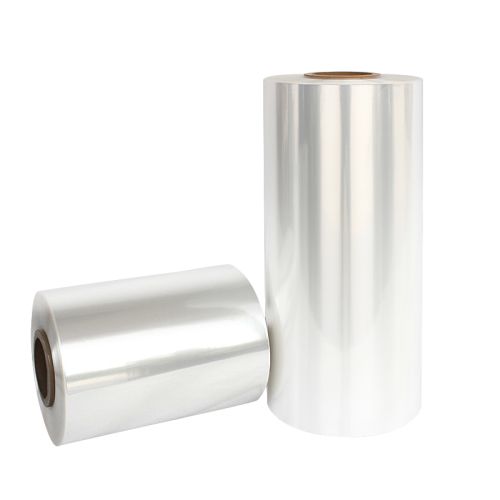
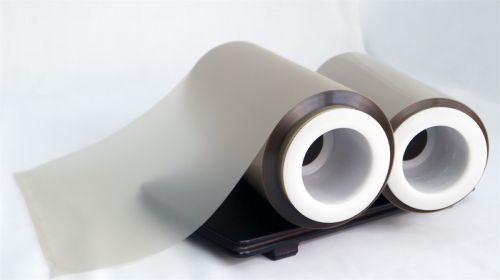
Both structures are available in optical-grade and decorative-grade, with thickness ranging from 0.125 mm to 1.0 mm+, and can be supplied roll or sheet form.
Typical Applications
- Smartphone back covers (mid-to-flagship, IMD/IML decorative)
- Tablet rear housings (large-format 3D forming, drop durability)
- Display panels / decorative bezels (high gloss + printability)
- Wearable & IoT enclosures (lightweight + tough)
Why Dafu New Material
With in-house co-extrusion lines, tight thickness tolerance (±0.01 mm achievable on request), and HC (hard-coating) partnership channels, Dafu supports customers from material selection → trial gauge → forming trial → mass production. Both 2-layer and 3-layer SKUs are stocked for fast sampling.