Medical display panels must remain readable and correctly labeled while facing repeated touching, cleaning chemicals and equipment disinfection routines.
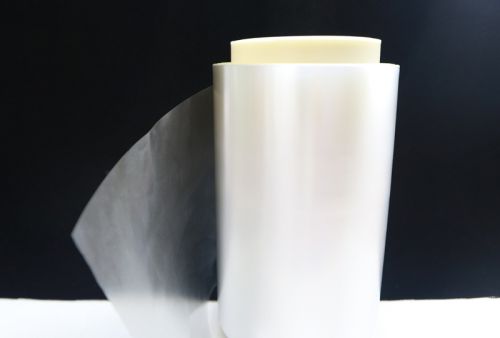
Start with the Optical Grade PC Film specification, compare the PC/PMMA Composite Film as a related material option, and review the manufacturer website. These internal links appear early so buyers can move directly between the application discussion and relevant product pages.
Readability is a functional requirement
Display haze, glare, scratches or poor contrast can affect how operators read settings and alarms. Define the viewing window, lighting, printed legends, touch areas and cleaning procedure. Appearance criteria should be measured on the finished panel over the actual display, not only on clear film.
Where optical PC film fits
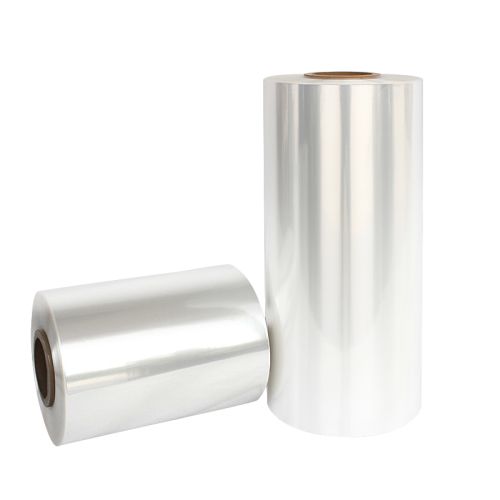
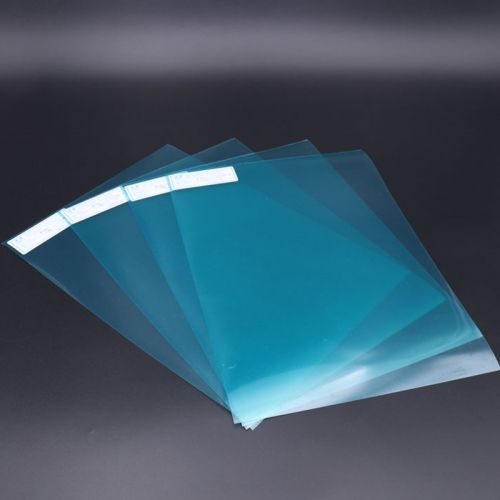
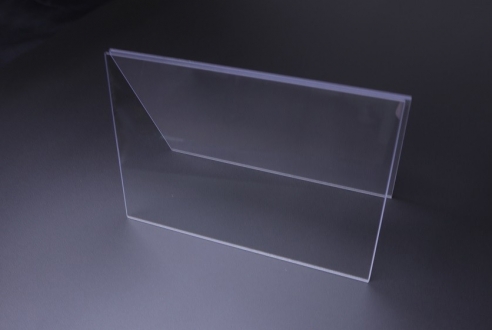
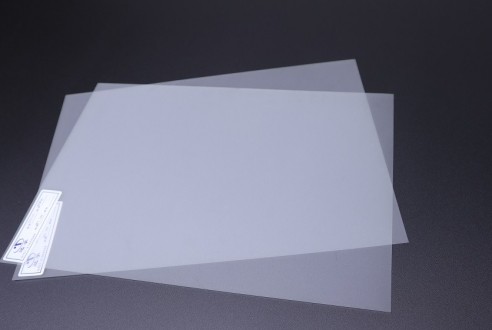
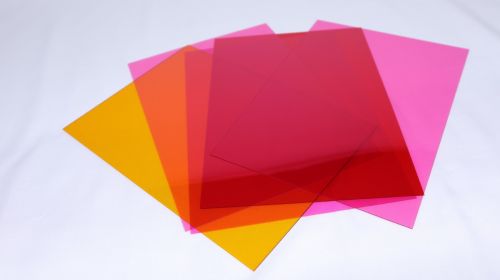
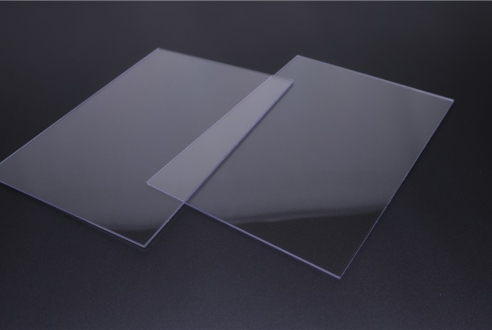
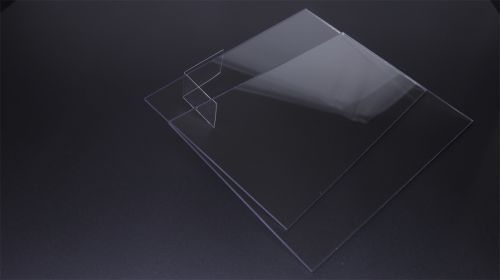
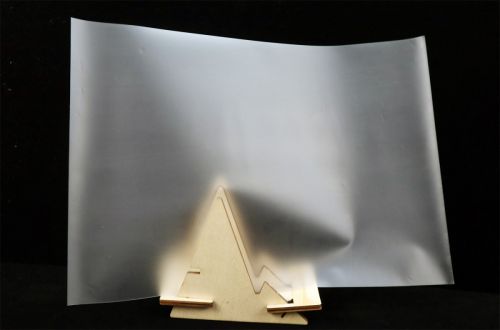
Optical-grade PC film can be printed, die cut, formed or bonded into a display overlay. Its toughness supports frequently handled equipment. The required surface, thickness, optical quality and any coating must match the device. Material selection does not by itself establish medical or regulatory compliance.
Printing must survive cleaning
Test the chosen ink system, drying, adhesion and color after the device’s actual cleaner and disinfectant exposure. Keep ink outside transparent windows unless the design requires filters. Adhesive layers must avoid bubbles, haze and optical distortion and remain bonded around cutouts and edges.
Evaluate the assembled interface
Assemble the display, touch sensor, overlay and housing. Evaluate readability, touch response, dimensions, abrasion, impact, humidity, temperature and cleaning cycles. Inspect labels and symbols for legibility. The device manufacturer must complete risk management, electrical safety and regulatory validation.
Build a compliant sourcing package
Send the drawing, window dimensions, print colors, surface finish, cleaning agents, touch design, forming depth, adhesive, test requirements, forecast and destination. Request exact grade documentation and representative sheet or roll samples before tooling approval.
Evidence needed before approval
Define test conditions, sample preparation and acceptance criteria before comparing materials. Distinguish base-film data from converted-structure and finished-product results. Repeat important tests after printing, lamination, forming, sealing, sterilization, metallization or assembly when these processes can change performance. Keep the current approved construction as a control.
Record grade, thickness, lot, surface orientation, machine settings and sample location. Engineering should confirm function. Production should confirm the operating window and usable yield. Quality should define incoming checks and nonconformance handling. Purchasing should confirm volume, lead time, packaging, logistics and change notification.
Control the first production order
Verify that commercial material uses the approved grade and dimensions. Run it with the agreed production settings and retain samples from the beginning, middle and end. Review yield, appearance, functional tests and operator adjustments before releasing the full lot. Clear traceability supports complaints, repeat orders and future changes.
Do not invent values, certifications or shelf-life improvements. Use confirmed supplier information and assign final-package or assembled-component approval to the responsible owner. Evaluate total conversion yield, qualification effort, downtime and supply reliability alongside unit price.
Make the trial commercially meaningful
A laboratory coupon can confirm basic compatibility, but it does not show how the material behaves at normal machine speed or in production geometry. Plan a staged trial with clear decision gates. First confirm film identity and handling. Next run the intended printing, lamination, forming, sealing or metallization step. Then test finished packages or components under realistic use conditions. Record all changes from the approved control.
Include purchasing and production teams before the final trial. Confirm usable width, trim loss, roll or sheet dimensions, minimum order, lead time, packing and storage. Estimate cost from usable output rather than only price per kilogram. A material that requires unstable settings or produces excessive waste may cost more even when its quoted unit price is lower. Document the responsible owner and completion date for every remaining technical, quality and commercial action before approving repeat production. Review those open items again during the first full-scale manufacturing order and retain the final evidence with the approved specification.
Request a sample and quotation
Send the current material, application, required dimensions, annual demand, destination, project schedule and test plan. Explain the reason for changing material and attach drawings, structures or failed samples when available. Ask for a project-specific sample and technical review.
Frequently asked questions
Can product-page data approve the application?
No. It supports screening. The converted package or component must pass the customer’s own process and end-use tests.
Why include a related product page?
It helps buyers compare another material route when transparency, substrate family, adhesion, temperature or mechanical requirements change.
How should two samples be compared?
Use matched conditions, a current control, representative samples and the same test method. Change one important variable at a time.
What speeds up a quotation?
Provide application, structure or drawing, thickness, width, volume, destination, schedule and required validation.
Discuss your project
Contact the technical sales team with the application, current challenge and expected demand. Request the appropriate film grade, sample format and evidence required before production approval.