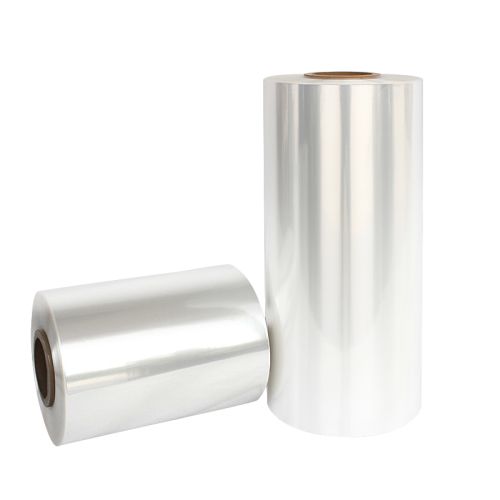
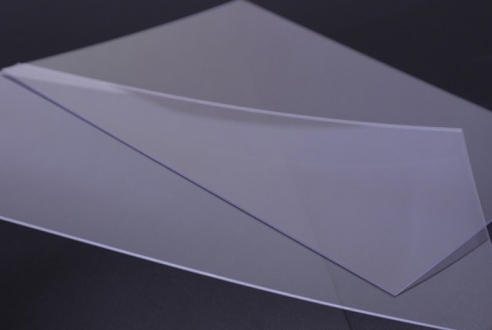
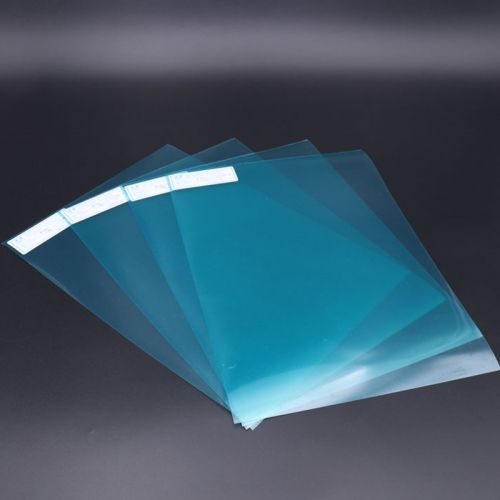
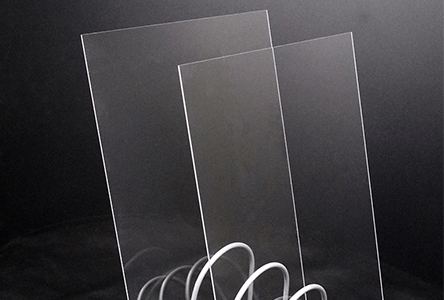
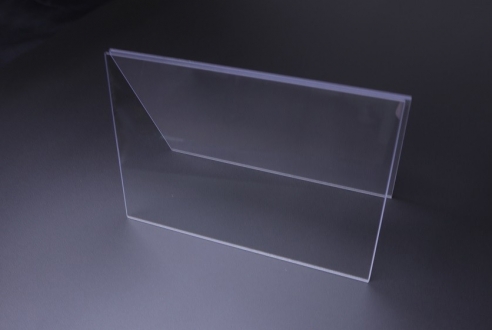
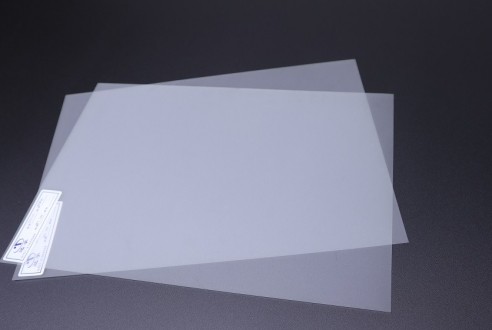
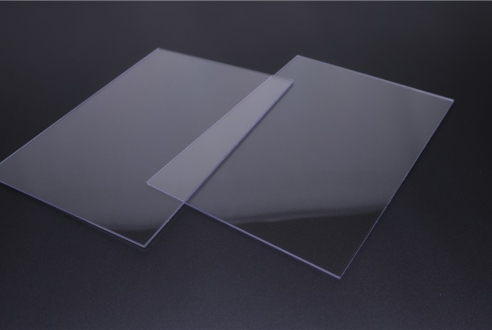
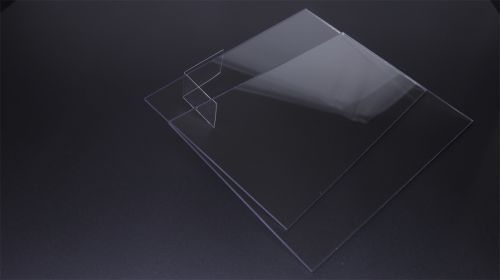
A membrane-switch overlay looks clear when flat but develops print defects, stress whitening, poor tactile response or edge lifting after conversion. This article explains how Optical Grade PC Film can be evaluated for that decision without treating a film label as a finished-package or finished-component guarantee. The focus is the customer problem, the present material or process limitation, and the evidence needed before scale-up.
Connect optical PC film selection to the complete printed, embossed, die-cut and bonded overlay. The recommended approach is to connect material selection with conversion settings, aging and end-use verification. That produces a specification a converter, buyer and engineer can all audit.
An Overlay Is an Optical and Mechanical Component
Membrane-switch overlays combine graphics, viewing windows, tactile domes, adhesive zones and exposed surfaces in one thin component. This point should be reviewed against the actual product, equipment and acceptance criteria. A supplier datasheet can narrow the candidate list, but it does not reproduce printing, lamination, forming, sealing, winding or field exposure in the customer's plant.
Ink can crack at embossed areas, windows can haze, die-cut edges can initiate tears and a strong adhesive can still lift if surface contamination or residual stress is present. The useful question is therefore not whether the base film is generally “high performance.” It is whether the selected grade keeps the required function after every converting step and through the expected service life.
Match the PC Film Grade to the Decoration Process
Optical grade PC film provides transparency, toughness, dimensional stability and a printable platform. Grade, thickness and surface finish must match hard coating, metallization, printing or embossing needs. This point should be reviewed against the actual product, equipment and acceptance criteria. A supplier datasheet can narrow the candidate list, but it does not reproduce printing, lamination, forming, sealing, winding or field exposure in the customer's plant.
Write the function of every layer or component on the trial specification. Separate optical, barrier, mechanical, electrical, printing, bonding and sealing duties. This prevents one attractive property from hiding a weakness elsewhere in the construction.
Protect Clarity During Printing and Handling
Protect both surfaces from scratches, confirm print-side treatment, control drying heat and allow inks to cure before forming. Use tooling radii that do not concentrate strain at graphic boundaries. This point should be reviewed against the actual product, equipment and acceptance criteria. A supplier datasheet can narrow the candidate list, but it does not reproduce printing, lamination, forming, sealing, winding or field exposure in the customer's plant.
Use a controlled matrix rather than changing several settings at once. Retain samples from incoming film, the first converted stage and the finished part. When a failure appears later, these retained samples make it possible to identify the interface and process step that changed.
Embossing Changes Stress and Tactile Performance
Inspect light transmission and haze where relevant, then test ink adhesion, abrasion, chemical exposure, dome cycling, edge lift and appearance under the actual backlight. This point should be reviewed against the actual product, equipment and acceptance criteria. A supplier datasheet can narrow the candidate list, but it does not reproduce printing, lamination, forming, sealing, winding or field exposure in the customer's plant.
Acceptance should include representative aging or conditioning, not only immediate results. Record test conditions, sample orientation and failure mode. A numeric result without a clear method, conditioning history and failure location is difficult to compare across suppliers.
Qualify the Adhesive and Finished Panel
Specify thickness, width, optical window criteria, surface finish, print system, forming depth, adhesive, operating temperature and protective-film requirements. This point should be reviewed against the actual product, equipment and acceptance criteria. A supplier datasheet can narrow the candidate list, but it does not reproduce printing, lamination, forming, sealing, winding or field exposure in the customer's plant.
Ask for a trial roll or sample that represents the intended commercial grade. Confirm which values are typical, which are specification limits and which require grade-specific agreement. Final approval should remain tied to the converted structure and end use.
What Buyers Should Put on the Drawing
Plan the trial with a written baseline, one-variable changes and clear stop criteria. Photograph defects, mark web direction and preserve roll and batch references. This discipline is often more valuable than adding another generic property to the purchase specification.
Frequently Asked Questions
Can this material be approved from a datasheet alone?
No. Datasheet information supports screening, but the converted construction must be tested under representative processing and service conditions.
Should the thinnest or highest-performance grade be selected first?
Not automatically. Select the grade that provides adequate functional margin while remaining stable on the intended equipment and in the final geometry.
What should be compared during a supplier trial?
Compare traceable rolls using the same process settings, then examine both the measured result and the failure location after conditioning.
When should the specification be finalized?
After the material, conversion process and finished component have passed the agreed validation plan. Commercial tolerances should reflect that approved window.
Conclusion
Optical Grade PC Film for Membrane Switch Overlays should lead to a controlled material decision, not a generic claim. Start with the real failure risk, assign each layer or component a function, and verify the result after conversion and conditioning. Review the confirmed Optical Grade PC Film page, then compare related options such as Optical and Printable PC Films and Dafu Product Range. Request grade-specific confirmation before commercial release.