PC/PMMA Film Connects Optical and Mechanical Needs
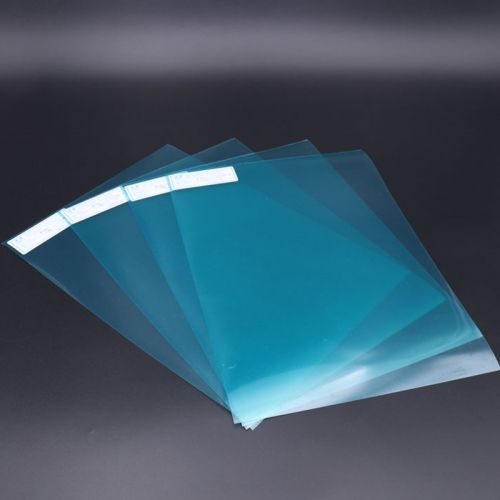
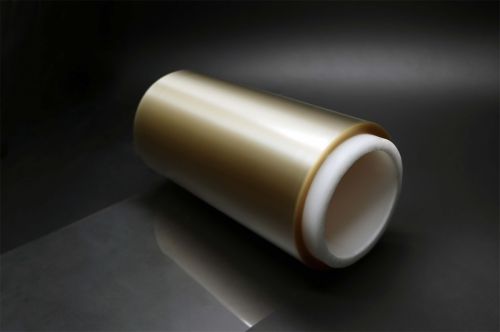
PC/PMMA film is selected when one component needs clarity, surface hardness, impact resistance, and heat stability. Display covers often combine these demands.
Buyers searching for automotive display cover film usually need more than a transparent sheet. The part must survive conversion, assembly, and service.
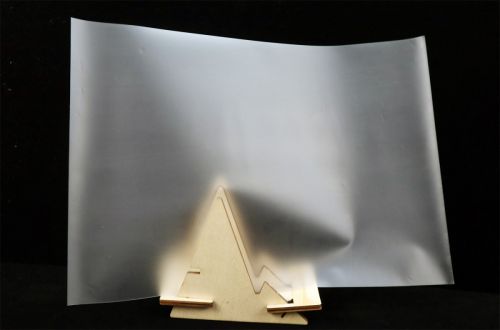
Dafu verifies light transmission up to 92% and surface hardness above 3H. Impact strength reaches eight to ten times ordinary PMMA.
The verified heat-deflection temperature exceeds 130°C. Available thickness ranges from 0.07 millimeters to 3 millimeters.
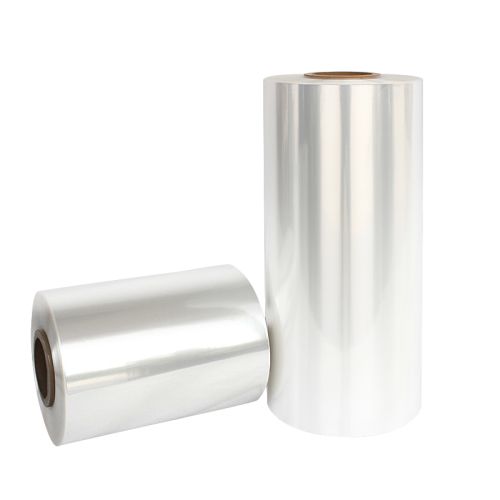
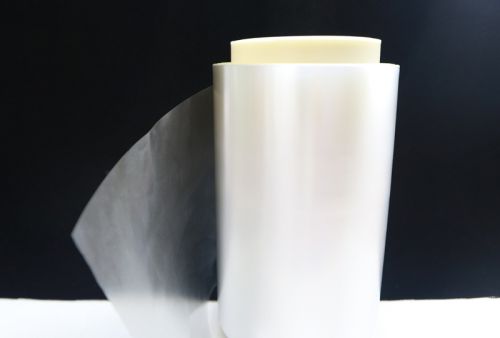
Width can reach at least 1320 millimeters. These figures create a useful starting point for component qualification.
Begin with the User’s View through the Part
Optical plastic film should first support the display’s intended visual function. High transmission alone cannot describe every viewing condition.
The team should define brightness, contrast, color, reflection, and viewing angle targets. Only supplied or measured values should enter acceptance.
Light transmission up to 92% supports early material screening. The finished stack still includes printing, coatings, adhesive, and the display.
Each added layer can change appearance. The optical evaluation should therefore use the complete construction.
Inspect under Real Lighting
Laboratory lighting provides consistency, but field lighting shows practical visibility. Automotive interiors can include sunlight, shadows, and night illumination.
The buyer should specify test lighting and viewing positions. Uncontrolled visual inspection produces weak comparisons.
Samples should include black graphics, transparent windows, and transition areas. These zones may reveal haze, color, or registration differences.
The report should separate measured results from visual observations. Both can support decisions when their methods are clear.
Surface Hardness Protects Appearance
PC/PMMA film provides verified surface hardness above 3H. This property is relevant where users touch or clean the visible surface.
Hardness does not describe every scratch event. Abrasive particles, cleaning tools, pressure, and repeated contact create different risks.
The team should define expected cleaning materials and frequency. A passing pencil-hardness value cannot replace use-specific surface testing.
Printed or coated surfaces may have another hardness level. Testing should identify which side and layer was evaluated.
Protect the Surface during Conversion
Handling damage can occur before the component reaches the customer. Rollers, tables, tools, particles, and stacking can mark a clear surface.
Protective masking may help during processing. The project should verify removal behavior and any surface effect.
Operators should inspect parts after printing, forming, cutting, and assembly. This sequence identifies where damage enters the process.
Accepted cosmetic standards should use defined zones. A visible display area may require tighter limits than a hidden border.
Impact Performance Must Follow Geometry
Dafu verifies impact strength eight to ten times that of ordinary PMMA. This difference supports demanding covers and structural decorative parts.
A high impact display film still needs testing in the final geometry. Corners, holes, thin sections, and unsupported spans can concentrate stress.
Flat coupons cannot reproduce every formed part. The qualification should include production-like components and mounting conditions.
The team should define likely events. Drops, knocks, assembly loads, and vibration may require different methods.
Look beyond Visible Cracks
An impact can create whitening, deformation, delamination, or hidden stress. The acceptance plan should cover these outcomes.
The display beneath the cover also needs inspection. A strong cover may transfer force into another component.
Impact tests should follow relevant thermal conditioning when service includes temperature changes. Combined stress can reveal a different response.
Repeated impacts should be separated from single events. Each represents another use pattern.
Heat Resistance Supports Stable Fit
The heat-deflection temperature exceeds 130°C for the verified PC/PMMA film and sheet. This value supports high-temperature screening.
It does not define every continuous operating condition. Buyers should request applicable grade data and test the finished component.
Automotive displays can experience cabin heat and local electronic heating. The thermal map should represent the actual cover location.
The team should record normal temperature, peaks, duration, and cycles. Average temperature may hide important hot spots.
Test Dimensions after Thermal Exposure
Heat can affect fit, flatness, printed registration, and adhesive stress. Measurements should follow the critical drawing dimensions.
Parts should be measured before and after representative conditioning. The same method should support reliable comparison.
The evaluation should include bonded or mounted parts. Free samples may move differently from constrained assemblies.
Any permanent change needs a defined limit. General statements about stability do not guide production decisions.
Thickness Selection Changes Part Behavior
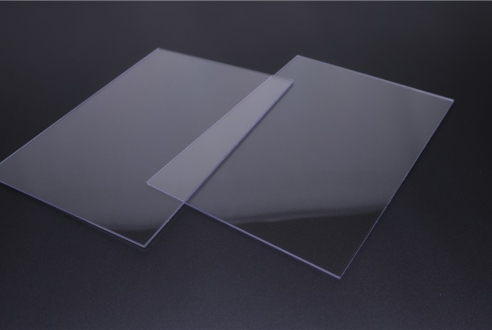
The verified thickness range spans 0.07 to 3 millimeters. That range covers flexible films and more structural sheet-like parts.
Thickness influences stiffness, forming, weight, optical path, and impact response. The thinnest option is not automatically the lowest-cost choice.
The buyer should select thickness through component geometry and load. Existing tools and assembly clearances also matter.
A thickness change can require new processing settings. It may also affect printing, cutting, forming, and bonding.
Width Can Affect Yield
Width of at least 1320 millimeters supports wide-format conversion. Usable yield still depends on part layout and edge requirements.
The converter should calculate nesting before placing a commercial order. Trim, orientation, and defect zones can change yield.
Roll or sheet format should match equipment. The offered delivery form must be confirmed for the exact grade.
No unverified length or tolerance should be assumed. Those details belong in the supplier quotation and drawing review.
Printing Builds the Visible Interface
PC/PMMA film can support decorative and display components where printing matters. The graphic layer may include icons, borders, logos, and hidden areas.
The print trial should evaluate adhesion, density, registration, opacity, and appearance. Backlighting can reveal defects hidden under room light.
Ink selection must match the material and forming process. No universal compatibility should be assumed.
The team should record pretreatment, drying, curing, and handling. Repeatability needs process data beside visual samples.
Forming Can Distort Graphics
Forming stretches both the substrate and printed image. Distortion should be predicted from the actual part geometry.
The converter should use registration marks around critical features. Measurements after forming can guide artwork compensation.
Ink may respond differently across stretched regions. The trial should inspect adhesion and appearance after forming and cooling.
The final evaluation should include lighting. A formed graphic can look different when illuminated from behind.
Cutting and Edge Quality Influence Assembly
Cut edges sit near clips, adhesive, housings, or visible borders. Poor edges can affect fit and cosmetic quality.
The tool should match the selected thickness. Blade condition, clearance, speed, and support influence the result.
Holes and narrow bridges deserve special inspection. They can create weak points during handling and impact.
The converter should retain first-piece and stable-run samples. Tool wear may change edge quality across production.
Bonding Creates Another Interface
The adhesive must suit the PC/PMMA surface and service conditions. Bonding also affects optical appearance and thermal stress.
Bubbles, edge lift, and visible adhesive lines may become rejection points. The trial should define acceptable cosmetic limits.
Bonded samples should receive heat and impact evaluation where relevant. Initial bond strength gives only part of the answer.
Applications Need Different Acceptance Plans
Verified applications include mobile-phone backs, tablet backs, automotive displays, window lenses, touch screens, and electronic component covers.
An automotive display cover film may prioritize optical quality, impact, heat, and print registration. A decorative back cover may emphasize another balance.
Touch interfaces may require repeated surface contact. Window lenses may place greater weight on visibility and environmental exposure.
The material can serve several uses, but one test plan cannot approve all applications. Each part needs its own failure analysis.
Do Not Transfer Compliance Assumptions
No certification or regulatory approval should be inferred from the polymer names. Buyers must request evidence for the exact grade and market.
Automotive projects may contain customer-specific requirements. Those requirements should appear in the qualification plan before testing.
Consumer-electronics projects may use different cosmetic sampling rules. The supplier and converter need a shared definition.
Create a Performance-to-Process Matrix
The buyer can connect each requirement with a process step and final test. Optical targets connect with printing, forming, and assembly.
Hardness connects with handling and cleaning. Impact connects with geometry, mounting, and environmental conditioning.
Heat resistance connects with forming, bonding, electronics, and service. Dimensions connect with cutting and thermal exposure.
This matrix prevents isolated property decisions. It also reveals missing evidence early.
Qualify in Increasing Scale
Small samples can screen appearance and basic compatibility. Formed prototypes can test geometry and graphics.
Pilot production should establish repeatable settings and yield. Final assemblies should receive relevant environmental and mechanical tests.
Acceptance criteria must exist before each stage. A trial without limits produces discussion instead of a decision.
Evaluate Total Cost through Yield
Material price should be compared with usable yield, cycle time, protection, inspection, and rejection. Wide material can improve nesting only when dimensions align.
Higher impact performance may reduce damage, but savings need production evidence. The project should avoid unsupported cost claims.
The buyer should calculate cost per accepted component. This measure includes technical and manufacturing results.
PC/PMMA film offers a verified combination of optical, surface, impact, thermal, and dimensional options. Qualification turns those facts into component value.
The Best Cover Decision Uses the Finished Part
PC/PMMA film provides strong verified screening data for display covers and decorative components. The final answer still belongs to the completed part.
Buyers should test optics, surface, impact, heat, printing, forming, cutting, and bonding together. Each interface can change the result.
A disciplined process protects appearance and function. It also gives procurement a clear basis for supplier and grade selection.