
Release time:2026.06.22
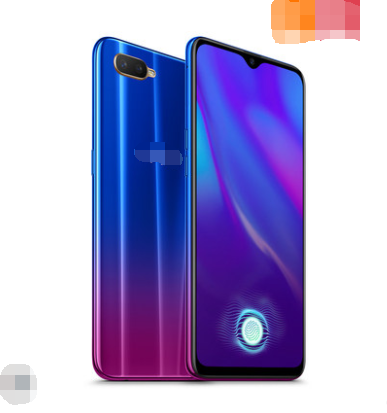
In the world of protective cover materials for consumer electronics, the balance between surface hardness and impact resistance is notoriously difficult to achieve. Pure polycarbonate (PC) offers outstanding toughness but suffers from low scratch resistance, while pure acrylic (PMMA) provides excellent hardness but is brittle. Foshan Dafu New Material Co., Ltd. addresses this challenge with its DFPCMH11 and DFPCM11 series PC composite plates – a layered structure that bonds a PMMA top layer to a PC substrate, combining the best properties of both materials.
This article provides a detailed technical analysis of these composite plates, including their physical properties, mechanical performance, optical characteristics, and recommended applications.
The DFPCMH11/DFPCM11 series is a plastic composite plate consisting of a PMMA (acrylic) layer co-extruded or laminated onto a PC (polycarbonate) base layer. The DFPMH11 variant is a high-impact acrylic plate used for comparison. Key attributes include:
| Parameter | Value |
|---|---|
| Thickness range | 0.175 mm, 0.2 mm, 0.25 mm (standard); custom thicknesses >0.25 mm available |
| Web width | 930 mm (custom widths available) |
| Structure | PMMA top layer + PC substrate (composite); or homogeneous high-impact acrylic (DFPMH11) |
The following table summarizes the typical property values from the manufacturer’s technical data sheet:
| Property | Test Method | Unit | DFPCM11 / DFPCMH11 | DFPMH11 |
|---|---|---|---|---|
| Specific Gravity | ASTM D792 | g/cm³ | 1.2 | 1.2 |
| Light Transmission | JIS K7361 | % | >90 | >90 |
| Haze | JIS K7361 | % | <1 | <1 |
| Yellowness Index | ASTM D1925 | – | <1 | <1 |
| Pencil Hardness (750g) – PMMA side (0.8mm) | JIS K5600 | – | 1H | 1H |
| Pencil Hardness (750g) – PC side (0.8mm) | JIS K5600 | – | 4B | – |
| Tensile Strength – MD | JIS K7113 | MPa | 55 | 55 |
| Tensile Strength – TD | JIS K7113 | MPa | 55 | 55 |
| Impact Strength (22g bullet drop) | Dafu method | mm | >300 | >150 |
The PMMA outer layer achieves a pencil hardness of 1H under 750g load, which is significantly harder than bare PC (which measures only 4B under the same test). This makes the composite plate highly resistant to scratches from daily handling, keys, or coins.
Despite the hard surface, the PC substrate absorbs impact energy effectively. The 22g bullet-shaped drop test yields a result of >300 mm for the composite plate – double the >150 mm of the pure high-impact acrylic (DFPMH11). This means the composite can survive accidental drops from greater heights without cracking.
With light transmission exceeding 90% and haze below 1%, the material is optically clear enough for use as a display cover lens. The yellowness index below 1 ensures neutral color appearance over time.
Tensile strength is isotropic (55 MPa in both MD and TD), indicating uniform properties regardless of orientation – important for die-cutting and forming processes.
The unique combination of hardness and toughness makes DFPCMH11/DFPCM11 ideal for:
The composite plate can be processed using conventional methods:
Foshan Dafu’s DFPCMH11/DFPCM11 PC composite plate successfully bridges the gap between the hardness of acrylic and the toughness of polycarbonate. With a pencil hardness of 1H, impact resistance exceeding 300mm, and optical clarity above 90%, it offers a compelling solution for consumer electronics manufacturers seeking durable, scratch-resistant, and impact-tolerant cover materials. Whether used as a phone backplate, tablet lens, or monitor shield, this composite delivers reliability in demanding everyday use.
Address:No. 3, Beiyuan Middle Road, Shishan Town, Nanhai District, Foshan City, Guangdong, China
Tel:+86-18126644882(善善)
mobile phone:+86-757-83903883
Fax:+86-757-8180 9526
Email:export9@gddafu.com,874738
If you have any questions or wish to know more information, please feel free to leave a message!!

WeChat Official Account
Tiktok

Contact via WeChat
Copyright © 2025 Foshan Dafu New Material Co., Ltd
粤ICP备2024240626号-1 Site Map