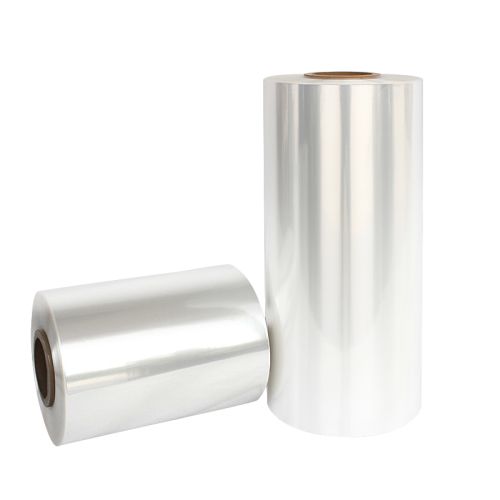
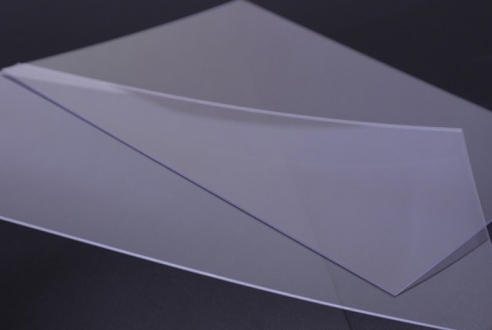
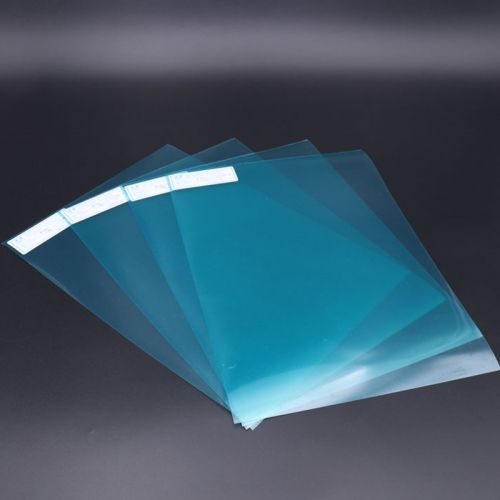
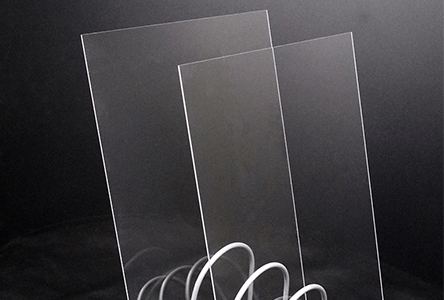
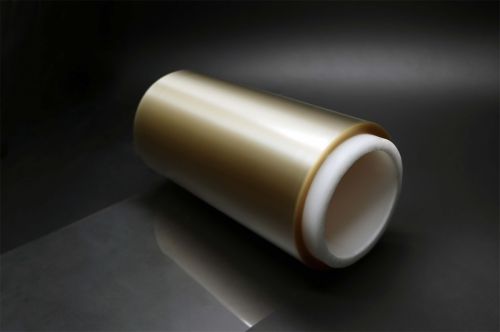
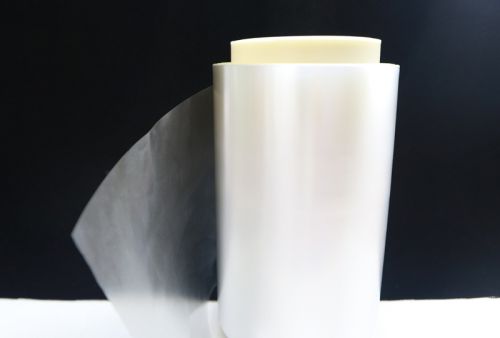
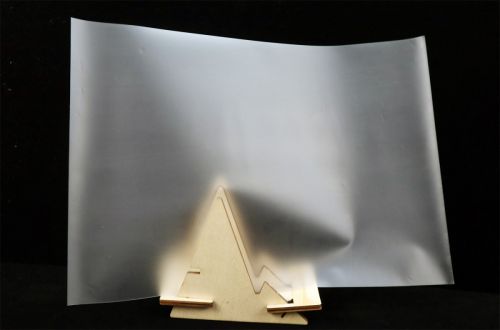
Selecting the right engineering film is becoming increasingly important as electric vehicles, renewable energy systems, industrial automation, robotics, and advanced electronics continue to evolve. Engineers often compare PEEK Film and PEI Film because both belong to the family of high-performance thermoplastic films and offer superior insulation compared with conventional materials.
Although these two materials share several advantages, including high dielectric strength, flame resistance, and dimensional stability, their performance differs significantly under demanding operating conditions.
If your product must survive continuous high temperatures, aggressive chemicals, or repeated mechanical stress, PEEK Film is usually the preferred solution. If your application emphasizes long-term dimensional accuracy, electrical insulation, and cost efficiency, PEI Film may provide the better balance.
Understanding these differences can reduce unnecessary material costs while improving product reliability and service life.
PEEK Film (Polyether Ether Ketone Film) is widely recognized as one of the highest-performing engineering thermoplastic films available today. Often called the "gold standard" of engineering plastics, PEEK Film combines exceptional thermal stability with outstanding mechanical strength.
One of its greatest advantages is its ability to operate continuously at temperatures up to 260°C, making it suitable for applications where conventional polymer films rapidly degrade.
Besides its excellent heat resistance, PEEK Film also offers:
Outstanding wear resistance
Excellent chemical resistance
Superior electrical insulation
High mechanical strength
Excellent fatigue resistance
Low moisture absorption
Long service life under harsh environments
These properties make PEEK Film the preferred choice for critical industrial applications.
What Is PEI Film?
PEI Film (Polyetherimide Film) is another premium engineering thermoplastic film known for its balanced combination of mechanical, thermal, and electrical properties.
Unlike PEEK Film, PEI Film is optimized for applications requiring excellent dimensional stability rather than extreme heat resistance.
With a continuous operating temperature of approximately 170°C, PEI Film comfortably meets the requirements of many electrical and electronic products.
Key advantages of PEI Film include:
Excellent dimensional stability
Outstanding creep resistance
Superior fatigue resistance
High dielectric strength
Good flame retardancy
Low thermal expansion
Reliable long-term electrical insulation
For many industrial applications, PEI Film delivers excellent performance while offering a more economical solution than PEEK Film.
PEEK Film vs PEI Film: Temperature Resistance
Temperature capability is one of the biggest differences between PEEK Film and PEI Film.
PEEK Film
Continuous operating temperature: 260°C
Excellent thermal aging resistance
Suitable for long-term high-temperature environments
PEI Film
Continuous operating temperature: 170°C
Excellent stability under moderate high temperatures
Ideal for industrial electrical systems
When equipment operates under continuous thermal stress, PEEK Film offers a significantly larger safety margin.
Mechanical Performance Comparison
Mechanical durability often determines product reliability.
PEEK Film provides:
Higher tensile strength
Excellent abrasion resistance
Outstanding impact resistance
Better performance under high loads
These characteristics make PEEK Film suitable for moving mechanical components and dynamic systems.
Meanwhile, PEI Film excels in:
Dimensional stability
Low deformation
Excellent creep resistance
Superior fatigue resistance
Applications requiring precise dimensions over extended service periods often benefit from PEI Film.
Chemical Resistance Comparison
Chemical exposure is another important consideration.
PEEK Film demonstrates exceptional resistance against:
Industrial solvents
Acids
Alkalis
Fuels
Lubricants
Hydraulic fluids
This makes PEEK Film highly suitable for chemical processing equipment, automotive systems, aerospace components, and battery manufacturing.
Although PEI Film also resists many chemicals, its chemical resistance is generally lower than PEEK Film under highly aggressive environments.
Electrical Insulation Performance
Both PEEK Film and PEI Film are widely used as electrical insulation materials.
PEEK Film offers:
Excellent dielectric properties
Stable insulation at elevated temperatures
Reliable electrical performance under harsh conditions
PEI Film provides:
Excellent dielectric strength
Stable insulation
Reliable electrical performance
Low dielectric loss
For conventional electrical insulation systems, PEI Film often delivers outstanding value.
Typical Applications of PEEK Film
Because of its outstanding durability, PEEK Film is widely used in demanding industries.
Typical applications include:
Electric motors
EV battery insulation
Aerospace components
Robotics
Semiconductor equipment
Industrial machinery
Medical devices
High-speed bearings
Precision gears
High-temperature insulation systems
Whenever reliability under extreme operating conditions is required, PEEK Film becomes the preferred material.
Typical Applications of PEI Film
PEI Film is commonly selected for products requiring long-term stability and electrical insulation.
Typical applications include:
EV charging stations
Charging modules
Electrical insulation barriers
Power electronics
Transformers
Industrial control equipment
Printed circuit assemblies
Consumer electronics
Electrical connectors
Its balance between performance and cost makes PEI Film an excellent engineering solution.
How to Choose Between PEEK Film and PEI Film
Choosing between PEEK Film and PEI Film depends on your application's operating environment.
Choose PEEK Film if your project requires:
Continuous operation at 260°C
Exceptional wear resistance
Superior chemical resistance
Maximum mechanical strength
Extreme durability
Choose PEI Film if your project requires:
Continuous operation around 170°C
Excellent dimensional stability
Outstanding creep resistance
Reliable electrical insulation
Better overall cost efficiency
Rather than selecting the most expensive material, engineers should choose the material that best matches the actual operating conditions.
Conclusion
The comparison between PEEK Film and PEI Film is not about determining which material is universally superior, but identifying which one best fits a specific application.
For extreme heat, severe mechanical stress, and aggressive chemical exposure, PEEK Film remains the premium choice, offering unmatched durability and long-term reliability.
For applications prioritizing dimensional stability, electrical insulation, and cost-effective engineering performance, PEI Film provides an excellent balance of properties.
As industries continue moving toward electrification, automation, and lightweight design, both PEEK Film and PEI Film will remain essential high-performance materials supporting the next generation of advanced manufacturing.