Imagine designing a flying taxi that must endure scorching tarmac heat at ground level and bitter cold at 3,000 feet—all while carrying electronic brains that cannot tolerate a single micron of dimensional shift. Or picture a green‑hydrogen plant where acidic vapors eat through conventional polymers within weeks, forcing costly shutdowns. These are not sci‑fi dilemmas; they are today’s engineering frontiers. And quietly, almost invisibly, one material is crossing these finish lines with remarkable consistency: Dafu PEI film.
While the world fixates on batteries, algorithms, and composite airframes, the silent enabler behind many breakthroughs is often a humble yet extraordinarily capable thin film. Dafu PEI film—a super engineering polyetherimide film—has graduated from being a niche specialty to becoming a strategic raw material for industries that cannot afford compromise. This article steps away from generic property lists and instead looks at how Dafu PEI film directly attacks the most stubborn pain points in mobility, energy, and connectivity.
The Thermal Tug‑of‑War: How Dafu PEI Film Keeps Its Cool
Every electrical engineer knows the sinking feeling of thermal runaway. As components shrink and power densities soar, heat dissipation becomes a nightmare. Traditional plastics soften, creep, or permanently deform. Metals, while heat‑resistant, add intolerable weight and complicate high‑frequency signal transmission. Enter Dafu PEI film. With its glass transition pinned at 217°C and a working continuum up to 170°C, Dafu PEI film operates comfortably in zones where polycarbonate or nylon would have turned into chewing gum.
But the real magic of Dafu PEI film is not just the high numbers—it is the stability. The coefficient of linear thermal expansion for Dafu PEI film remains remarkably flat across a broad temperature spectrum. For manufacturers of avionics and automotive LiDAR housings, this means that Dafu PEI film ensures optical alignments stay true from cold starts to full‑load operation. When a sensor package relies on a Dafu PEI film substrate, engineers can sleep easier knowing that their calibration will not drift. This thermal composure makes Dafu PEI film the preferred dielectric in high‑power motor windings and the go‑to insulator for traction inverters in electric vehicles, where every degree Celsius matters.
Chemical Warfare – Why Acid‑Resistant Dafu PEI Film Dominates Harsh Media
If heat is the first enemy, chemical aggression is the second. In the push toward a hydrogen economy, electrolyzers and fuel cells present an especially brutal environment—hot, pressurized, and highly acidic. Many engineering plastics blister or stress‑crack under these conditions, leading to pinhole leaks and catastrophic failures. Dafu PEI film, however, boasts a molecular architecture—aromatic imide linkages—that shrugs off sulfuric and hydrochloric acid exposure with almost stoic indifference.
This intrinsic acid resistance of Dafu PEI film translates directly into commercial value. Hydrogen producers using membrane electrode assemblies backed by Dafu PEI film report extended maintenance intervals and fewer unplanned downtimes. Because Dafu PEI film retains its tensile integrity and dimensional precision even after thousands of hours of acidic steam exposure, it contributes to safer, more efficient green‑hydrogen generation. The same chemical robustness makes Dafu PEI film an exceptional barrier layer for aggressive chemical storage and transport, ensuring that no dangerous permeation compromises worker safety or environmental compliance.
Lightweighting Without Sacrifice – The Structural Genius of Dafu PEI Film
Weight is the currency of modern engineering, especially in aerospace and urban air mobility (UAM). Every gram saved on insulation or structural supports translates into extended range or increased payload. Here, Dafu PEI film shines because it offers a metal‑like strength‑to‑weight ratio at a fraction of the density. Tensile tests repeatedly confirm that Dafu PEI film withstands high stress and cyclic fatigue without cracking, making it a viable replacement for heavier mica or ceramic insulators.
Consider the acoustic diaphragm in high‑end directional speakers used for vehicle alert systems. The diaphragm must be stiff enough to produce high‑frequency tones, yet light enough to react instantly to electrical signals. Dafu PEI film perfectly fits this profile. Its low mass and high elastic modulus mean that transducers built with Dafu PEI film deliver sharper, more efficient sound reproduction. In structural electronics, where flexible circuits must bend without breaking, Dafu PEI film provides the needed flexural endurance, proving that lightweight Dafu PEI film is not a trade‑off but a win‑win.
Optical Clarity and Signal Integrity – Dafu PEI Film in the 5G Era
With 5G and upcoming 6G networks, the game has shifted to millimeter‑wave frequencies. Signal loss and dielectric absorption are the arch‑enemies of high‑speed data. Many materials that are thermally robust show unacceptably high loss tangents at these frequencies. Dafu PEI film breaks this deadlock. Its low, stable dielectric constant and minimal dissipation factor make Dafu PEI film an ideal substrate for radio‑frequency (RF) connectors, phased‑array antennas, and fiber‑optic transceivers.
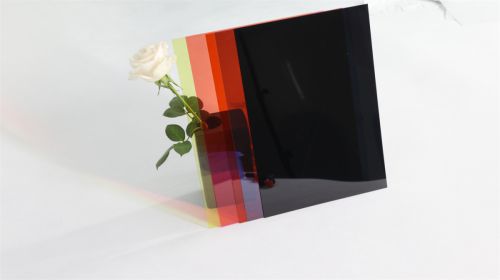
Moreover, Dafu PEI film naturally transmits infrared light with high clarity, a property rarely found in flame‑retardant polymers. Without adding any halogenated or phosphorus‑based additives—which often degrade optical performance—Dafu PEI film achieves a V‑0 flammability rating, low smoke density, and low heat release. This combination of optical transparency and inherent fire safety allows Dafu PEI film to serve as a coverlay for optical backplanes and a protective window for high‑power IR sensors. In data centers where heat and fire risk are constant concerns, Dafu PEI film offers a dual defense: maintaining signal purity while actively suppressing combustion hazards.
Real‑World Scenarios: Where Dafu PEI Film Transforms Industries
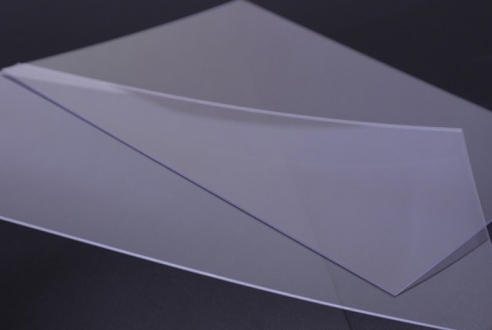
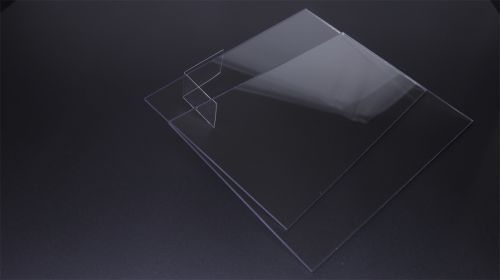
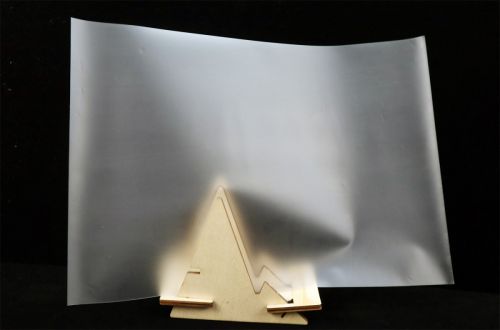
Let us move from theory to practice. In the electric vertical take‑off and landing (eVTOL) sector, developers choose Dafu PEI film for motor slot liners and busbar insulation because it withstands partial discharge and thermal cycling better than any alternative. The matte, haze‑free surface finish of Dafu PEI film also promotes excellent adhesion to potting compounds, ensuring that vibration does not loosen critical connections.
In medical devices, biocompatible grades of Dafu PEI film are enabling single‑use bio‑hybrid sensors that must endure gamma sterilization without yellowing or embrittlement. The same sterilizability makes Dafu PEI film a prime candidate for reusable surgical tool coatings. Meanwhile, in the world of additive manufacturing, Dafu PEI film has become the gold standard for 3D printer build plates because its heat resistance eliminates warping for high‑temperature filaments like PEEK and PEI itself. Print farms rely on Dafu PEI film to deliver consistent first‑layer adhesion, dramatically reducing print failures and material waste.
For industrial motors and high‑voltage transformers, Dafu PEI film functions as a phase‑to‑phase and turn‑to‑turn insulation that does not degrade under partial corona discharge. Unlike polyester or polyimide (Kapton) films that may hydrolyze in humid conditions, Dafu PEI film retains its dielectric strength even after prolonged exposure to tropical climates. This moisture resilience is a subtle but crucial advantage that makes Dafu PEI film the specified material for offshore wind turbine generators and shipboard propulsion systems.
Sustainability Through Longevity – The Circular Logic of Dafu PEI Film
Critics sometimes question the environmental footprint of high‑performance plastics. However, when evaluating life‑cycle impact, Dafu PEI film makes a compelling case for sustainability through durability. Because Dafu PEI film extends equipment service life by 2–3 times compared to standard films, it drastically reduces the frequency of replacements, conserving raw materials and lowering manufacturing energy over time. Additionally, Dafu PEI film is reprocessable. Production scrap and end‑of‑life components containing Dafu PEI film can be reclaimed and compounded into new parts, closing the loop in high‑value supply chains.
Dafu New Materials has also invested in energy‑efficient extrusion lines that minimize volatile organic compound emissions during production of Dafu PEI film. This commitment means that choosing Dafu PEI film aligns with corporate environmental, social, and governance (ESG) goals. For procurement managers who must balance top‑tier performance with green credentials, Dafu PEI film represents a rare and responsible option.
The Investment Rationale: Betting on Dafu PEI Film for Future Growth
Markets evolve, but fundamental needs persist: the need for materials that withstand more heat, carry more current, and survive more chemicals. The global push for electrification, autonomous mobility, and high‑speed connectivity all converge on Dafu PEI film. Analysts project that the demand for Dafu PEI film will outpace many other specialty films, driven by its unique ability to serve multiple high‑growth verticals simultaneously. Whether it is the insulating tape for electric aircraft batteries, the substrate for millimetre‑wave radar, or the barrier layer for hydrogen storage, Dafu PEI film consistently appears in the bill of materials for pioneering projects.
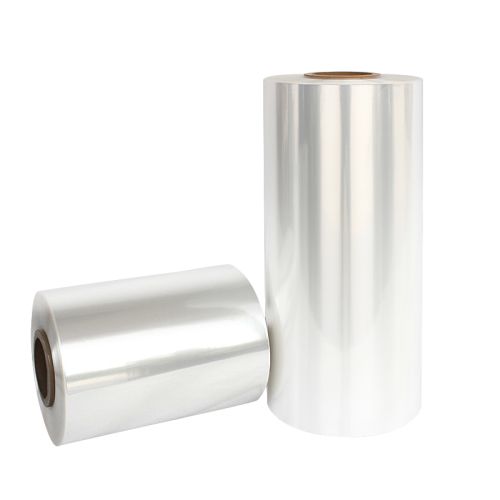
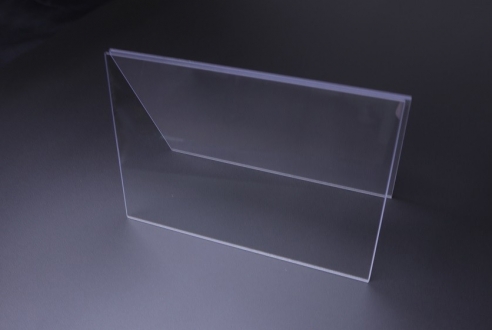
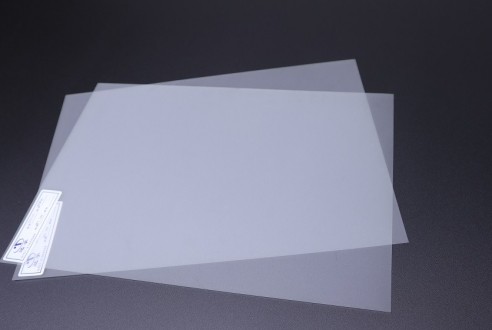
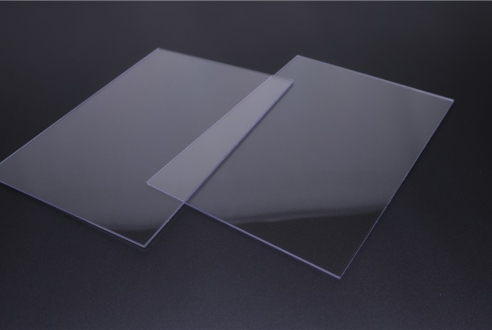
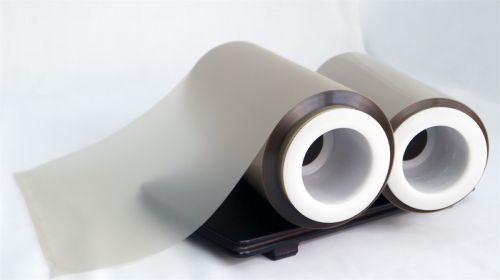
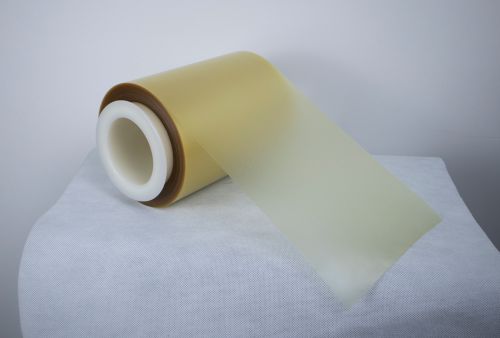
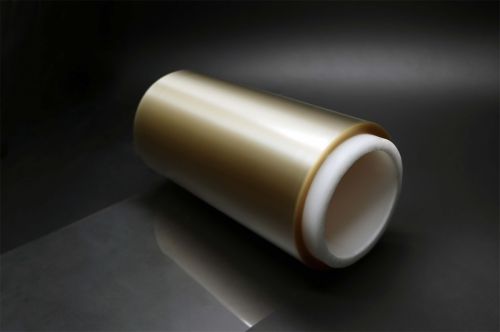
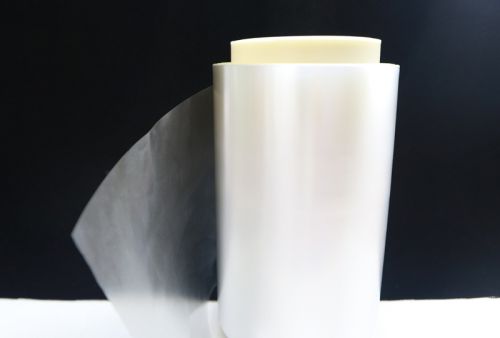
What sets Dafu PEI film apart from commodity films is the rigorous quality assurance behind every roll. Dafu ensures thickness uniformity to within tight tolerances, so Dafu PEI film performs predictably in high‑speed automated lamination processes. The signature matte, non‑glare surface of Dafu PEI film also improves handling and prevents blocking, a subtle but critical factor for large‑volume converters.
Final Thoughts – Embrace the Dafu PEI Film Advantage
Engineering is the art of managing trade‑offs. But with Dafu PEI film, many of those trade‑offs disappear. You no longer have to choose between heat resistance and clarity, between strength and light weight, or between flame safety and chemical endurance. Dafu PEI film delivers all these virtues in a single, consistent, manufacturable film.
As we stand on the brink of electric aviation, hydrogen ubiquity, and terahertz communication, the hidden layers will matter as much as the visible designs. Dafu PEI film belongs firmly in those hidden layers—working silently, performing tirelessly, and enabling the breakthroughs we read about in headlines. If your next project demands uncompromising performance, let Dafu PEI film be your foundation.
Visit the Dafu official website to explore technical data sheets, application notes, and customization options. Speak to the Dafu New Materials team and discover why industry leaders are not just using Dafu PEI film—they are engineering around it. The future is demanding. Dafu PEI film is ready.