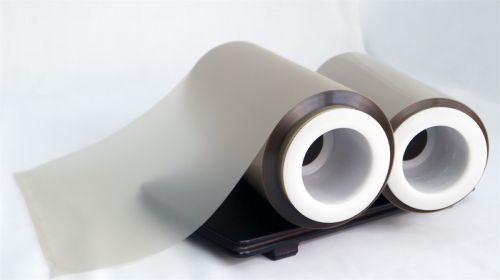
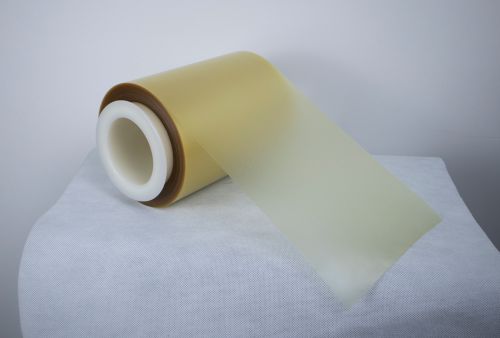
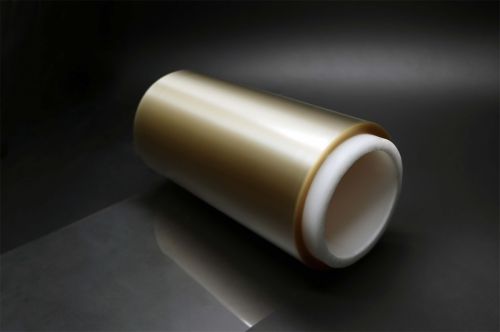
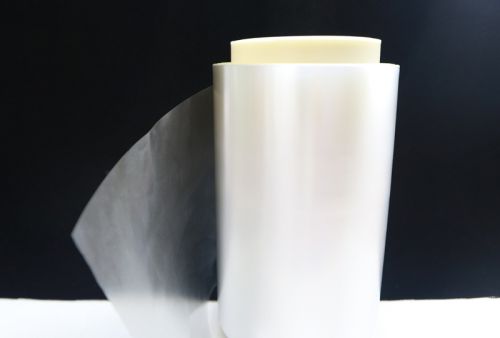
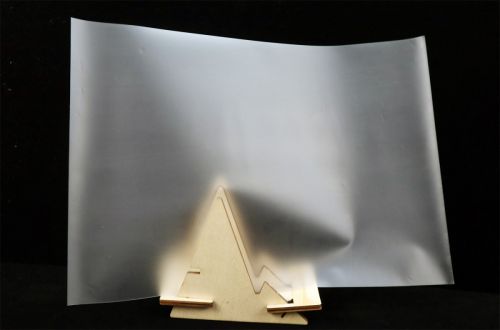
India's BOPP dielectric film market is growing at 9.1% CAGR (2026–2036), among the fastest globally after China. But if you're a capacitor OEM in Pune, Chennai or Noida trying to source 2–3μm ultra-thin grades, the options are窄: Xpro dominates domestically, Toray ships from Japan with long lead times, and SRF's new line is still ramping. This article breaks down what "ultra-thin" actually means technically, why Indian EV/solar inverter makers are pushing below 4μm, and what to look for in a China-based alternative.
What "Ultra-Thin" Means in BOPP Capacitor Film
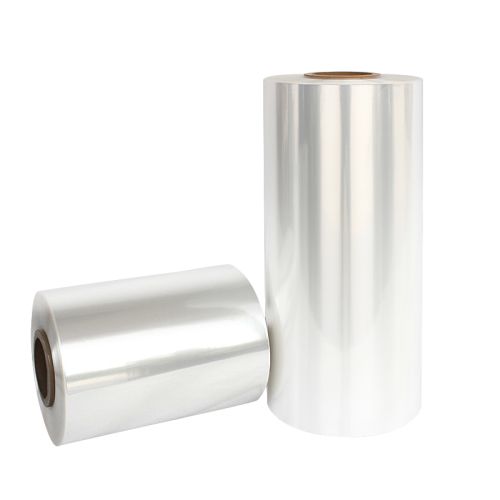
BOPP (biaxially oriented polypropylene) capacitor film is the dielectric core of almost every film capacitor — from the fan capacitor in a split AC to the DC-link in a 2-wheeler EV inverter. Thickness determines how far you can push miniaturization:
| Thickness | Typical Application |
|---|
| 2.0 – 2.8 μm | EV inverter DC-link, high-end solar inverter, aerospace |
| 3 – 4 μm | Industrial drives, APFC panels, wind turbine converters |
| 5 – 6 μm | AC motor run, washing machine, lighting |
| 8 – 12 μm | Heavy-duty power capacitors, welding units |
Global players like Toray commercialized 2μm BOPP years ago; in India, Xpro's public datasheets start at 2.5μm, and most domestic supply still clusters at 4–6μm. That gap is where import alternatives live.
Key specs buyers should benchmark:
- Dielectric strength: ≥ 520 V/μm (premium grades exceed 550)
- Rated temperature: 105°C std / 125°C high-temp (critical for Indian summer + under-hood EV)
- Self-healing behavior: low ignition energy, controlled crater size
- Thickness CV (cross-direction): ≤ 2% for synchronous-stretch lines
Why Indian Capacitor Makers Are Pushing Below 4μm
Three demand drivers specific to India right now:
1. Two-wheeler & 4-wheeler EV inverters
India's EV penetration is still early, but 2W inverter volumes are scaling fastest. DC-link capacitors there are moving from 4μm → 2.8μm → 2μm to shrink volume and lower ESR. Most domestic capacitor OEMs (Deki, TDK India, Epcos India, Kondensor) currently dual-source: Xpro for safe volume, Toray/Japan for ultra-thin. Lead time from Japan: 8–12 weeks.
2. Solar rooftop & string inverters
India's renewable push (PM-Surya Ghar, utility-scale tenders) keeps inverter CAPEX under pressure. Thinner dielectric = fewer layers in a wound capacitor = material saving. But 125°C rating becomes non-negotiable in North/West India field installs.
3. Smart meter + industrial capacitor replacement
Government smart-meter rollout and PLI-led white goods expansion keep 5–6μm AC capacitor demand steady, but the margin is in the ultra-thin segments.
FMI's 2026 BOPP Dielectric Films report pegs metalized film at 54.6% of type mix (2026) and AC/DC film capacitors at 48.3% of application mix — India's CAGR 9.1% is the second-fastest globally after China's 9.9%.
Synchronous vs. Sequential Stretch: Why It Matters at 2μm
Not all BOPP lines are equal. There are two stretching routes:
- Sequential (stepwise): stretch MD first, then TD. Cheaper, common. Xpro and SRF run sequential. CD thickness uniformity typically ±3–4%.
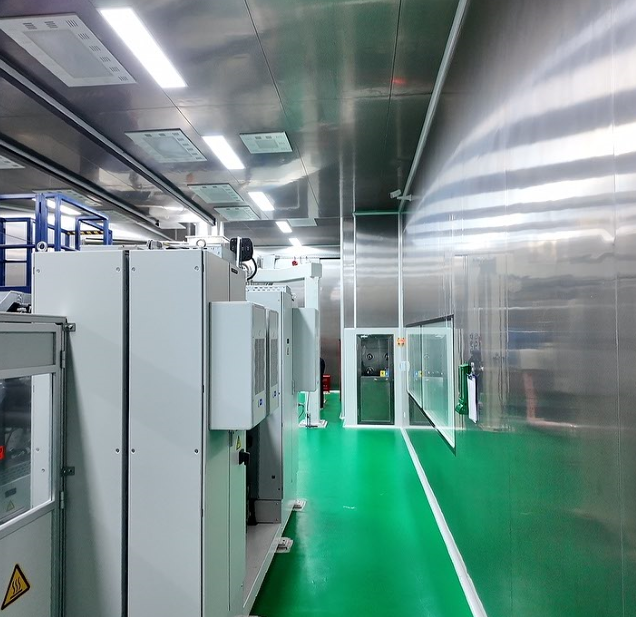
- Synchronous (simultaneous): MD + TD stretched together. Bruckner simultaneous line. CD thickness CV ≤ 2%, better for metallization adhesion and uniform breakdown.
At 2–3μm, that CV difference shows up in capacitor yield. If you're sourcing ultra-thin, ask the supplier: sequential or synchronous?
Dafu's Position: A China-Based Alternative for Indian Buyers
Foshan Dafu (达孚新材) isn't the biggest name globally, but for Indian sourcing managers evaluating beyond Xpro/Toray, three points stand out:
| Parameter | Dafu spec |
|---|
| Thickness range | 2 / 2.8 / 3 / 4 / 5 / 6 / 8 μm — 2μm in mass production |
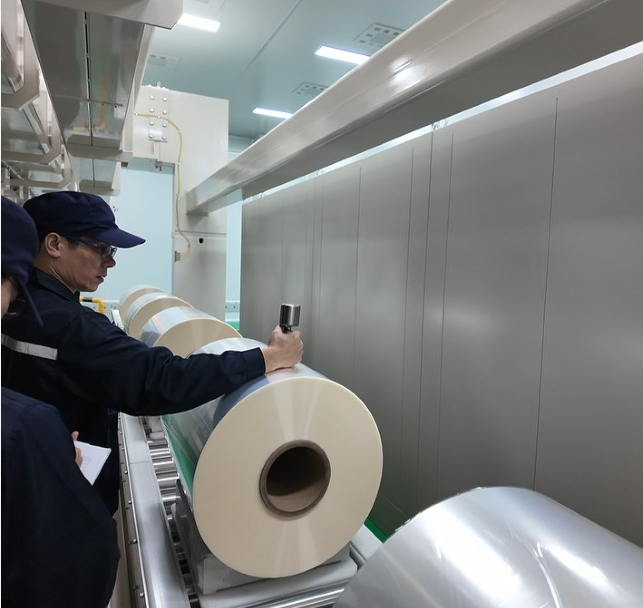
| Line config | German Bruckner synchronous-stretch + synchronized line, mother roll up to 6,400 mm |
| Annual capacity (BOPP capacitor) | 5,600+ tonnes |
| Base resin | Borealis / Hanwha high-isotacticity PP |
| Temp rating | 105°C std / 125°C on request |
| Dielectric strength | ≥ 520 V/μm |
| Port lead time | Mumbai / Chennai 15–20 days |
Differentiators vs. domestic India supply:
- ✅ 2μm量产 (Xpro public minimum 2.5μm)
- ✅ Synchronous stretch (Xpro/SRF = sequential)
- ✅ 125°C grade available (SRF new line launching at 105°C std)
- ✅ Lead time shorter than Toray/Japan import
Differentiators vs. Toray:
- ✅ Pricing tier lower (China base cost)
- ✅更快 response on MOQ / trial roll
- ❌ Brand legacy & automotive-grade certification depth — Toray still leads for Tier-1 global EV programs; Dafu fits Indian domestic EV / inverter / solar tier better today.
What to Check Before Switching Supplier
If you're an Indian capacitor OEM evaluating a new BOPP dielectric source, minimum due diligence:
- Datasheet in IEC + IS alignment — IS 17067 reference at minimum; IEC 60384-1 test reports
- A4 sample + 100 m pilot roll availability — don't skip winding trial
- In-house lab scope — breakdown voltage, self-healing energy, high-temp aging, TD/MD shrinkage
- Batch traceability — resin lot + line + date, critical for automotive PPAP
- Landed cost calc — CIF Mumbai + customs duty (BOPP film HSN 3920; check current BCD + SWS + IGST)
FAQ: Sourcing BOPP Capacitor Film for India
Q: Can I get 2μm BOPP film samples before committing?
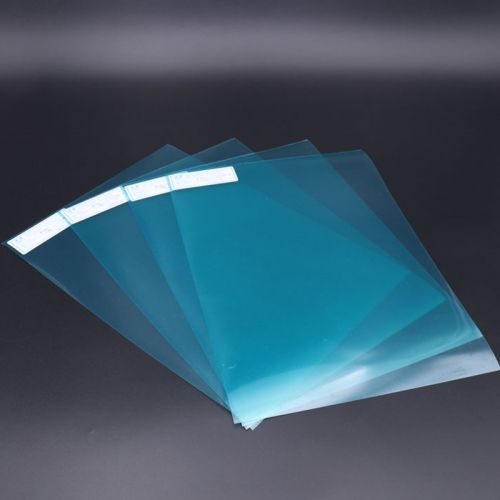
Yes — most suppliers (including Dafu) offer A4 sheets or 100 m trial rolls ex-stock. DHL to Pune/Bengaluru/Chennai takes ~3 days.
Q: What's the MOQ for 2–3μm grades?
Varies by supplier. Dafu offers flexible MOQ for trial; production MOQ typically aligns with one full slit roll set (~300–500 kg depending on width).
Q: Do I need metallized or plain?
Plain (clear) BOPP if you metallize in-house; metallized BOPP if you want ready-to-wind. Indian capacitor makers increasingly buy pre-metallized from Cosmo SUPER / others for 5–6μm, but keep plain ultra-thin in-house for 2–3μm yield control.
Q: Is "alternative to Xpro" realistic or just marketing?
For ultra-thin (2–3μm) + 125°C, yes — Xpro's public portfolio starts at 2.5μm and sequential stretch; if your design needs 2μm or tighter CD uniformity, import alternatives (Toray / Dafu) fill that slot. For 4–6μm commodity, Xpro remains price-competitive on landed cost.
CTA
If you're specifying BOPP dielectric for an Indian EV inverter, solar inverter, or smart-meter capacitor program and want to trial 2μm / 2.8μm / 3μm grades —