Introduction
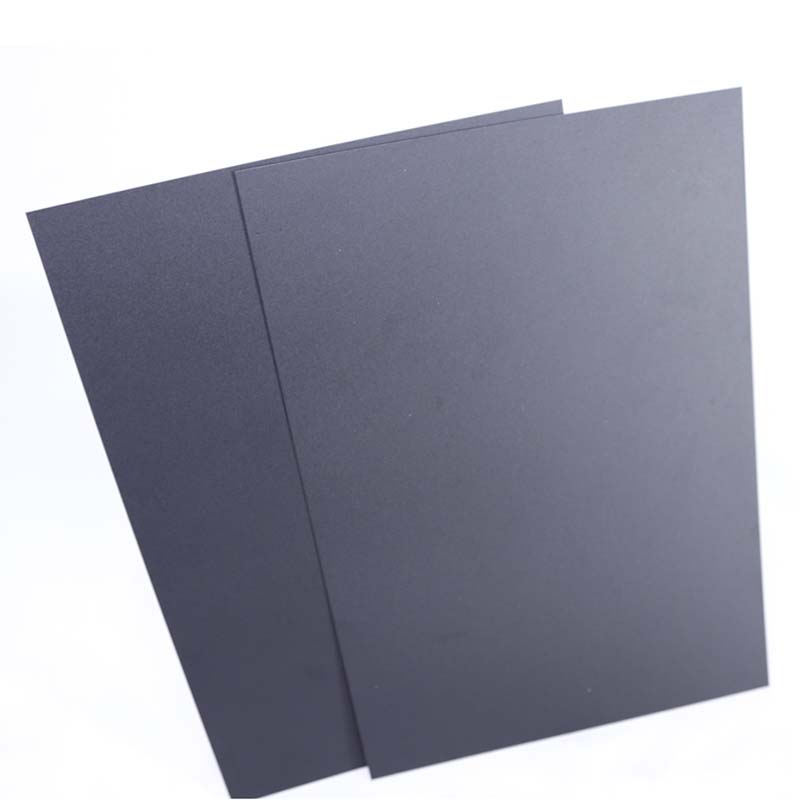
Polycarbonate (PC) is a versatile engineering thermoplastic known for its impact resistance, optical clarity, and thermal stability. When modified with flame retardant additives and pigmented black, it becomes a specialized material for demanding electrical and electronic applications. This article examines the black flame retardant PC film/sheet product, detailing its classification, performance characteristics, and typical uses in industrial insulation and lamination.
Product Categories
The black flame retardant PC film/sheet is available in two distinct formulations:
| Type | Description |
|---|
| Halogen Polycarbonate | Contains halogen-based flame retardants (typically bromine or chlorine compounds) to achieve UL94 V-0 or similar ratings. Offers cost-effective flame resistance. |
| Non-Halogen Polycarbonate | Uses phosphorus-based or other halogen-free flame retardant systems. Meets stricter environmental and toxicity requirements, such as those demanded by the electronics and aerospace industries. |
Both variants maintain the inherent mechanical strength and dimensional stability of polycarbonate while providing reliable fire protection.
Key Features
- Excellent Shading Performance The black pigmentation provides complete opacity (light blocking), which is essential for applications where light leakage must be prevented, such as behind display panels or in sensitive electronic enclosures.
- RoHS Compliance The material fully complies with the Restriction of Hazardous Substances (RoHS) directive, ensuring that it contains no restricted heavy metals or certain phthalates. This is mandatory for products sold in the European Union and increasingly adopted globally.
- Non-Halogen Insulation Material (for the non-halogen variant) The non-halogen version offers superior environmental and safety profiles. During combustion, it produces less toxic smoke and corrosive gases compared to halogenated alternatives, making it preferred for enclosed spaces like aircraft cabins.
- Excellent Heat Resistance Polycarbonate inherently possesses a high glass transition temperature (~147°C) and continuous use temperature up to 125°C. The flame retardant formulation retains this thermal stability, allowing the film/sheet to function reliably in warm operating environments.
Typical Applications
Thanks to its combination of electrical insulation, flame retardancy, and opacity, black flame retardant PC film/sheet is widely used in:
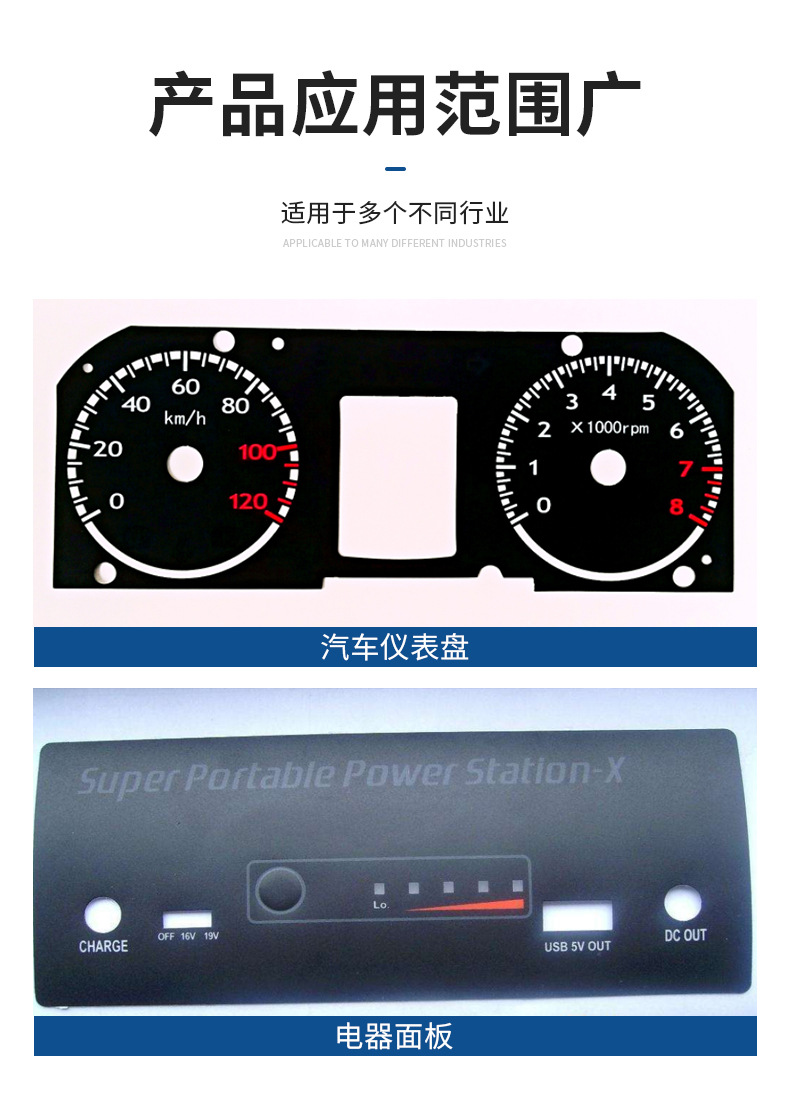
- Power Supply Devices Used as internal insulating barriers, liners, and covers to prevent short circuits and contain potential arc faults. The black color helps conceal internal components and reduces light emission from LEDs or indicators.
- TV Screens and Displays Applied as backplane insulators, bezel liners, or light-blocking sheets behind the LCD panel. The film’s dimensional stability ensures it does not warp under the heat generated by backlight units.
- Aerospace Interiors Aircraft cabin components require stringent flammability standards (e.g., FAR 25.853). The non-halogen variant is particularly suitable for seat-back monitors, overhead bin liners, and galley equipment insulation, where low smoke and toxicity are critical.
- General Laminating and Insulating The film can be laminated onto metal substrates or other plastics to provide a durable, insulating, and flame-retardant surface. It is also die-cut into custom shapes for gaskets, spacers, and washers.
Conclusion
Black flame retardant polycarbonate film/sheet is a high-performance material that bridges the gap between mechanical robustness, fire safety, and environmental compliance. Whether choosing the halogen or non-halogen type, engineers can rely on its excellent shading, heat resistance, and electrical insulation properties. From power electronics to aerospace interiors, this material continues to play a vital role in protecting both equipment and people.