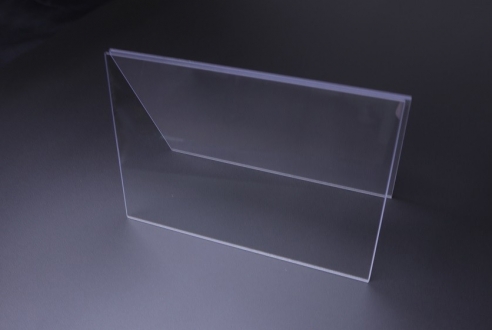
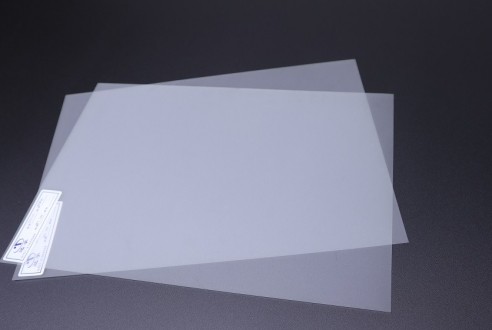
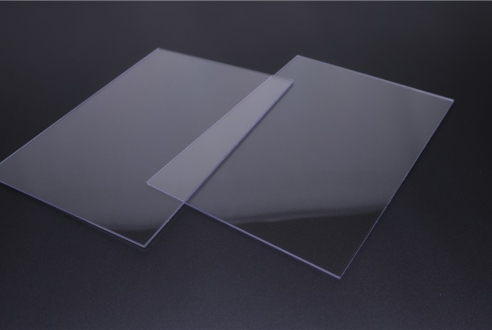
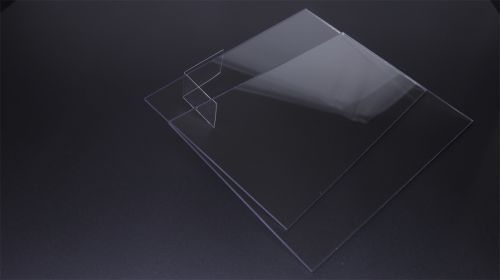
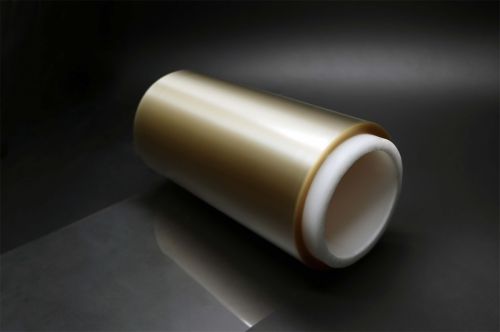
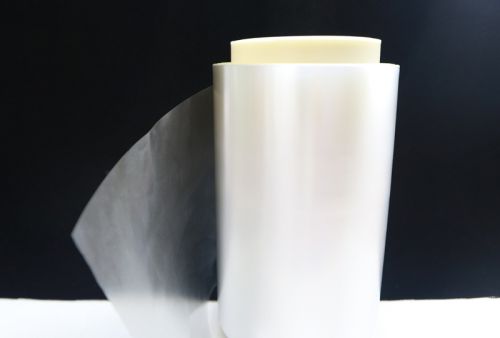
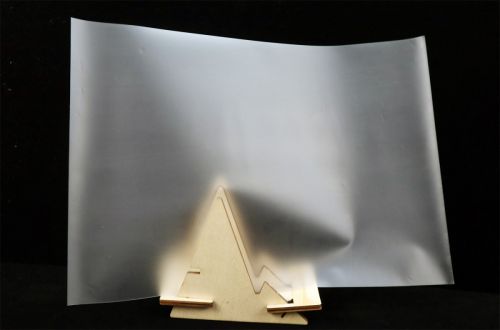
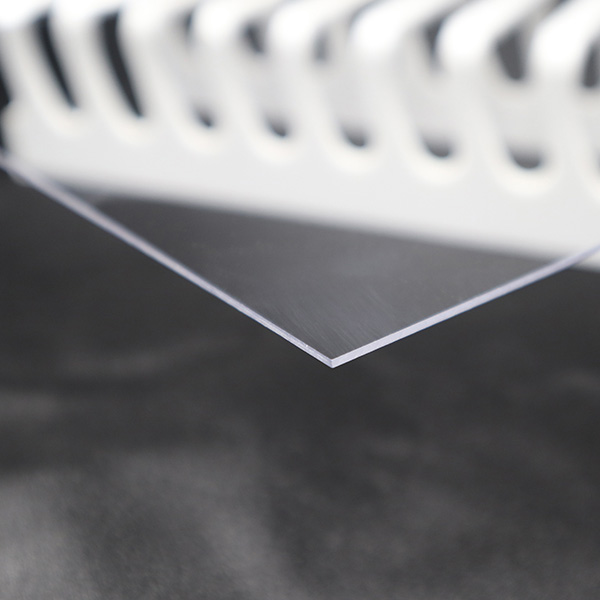
Two-Layer PC/PMMA Composite Sheet (PC+PMMA Co-extruded Board)
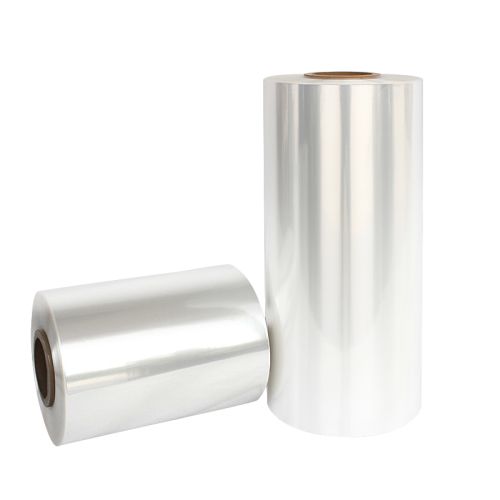
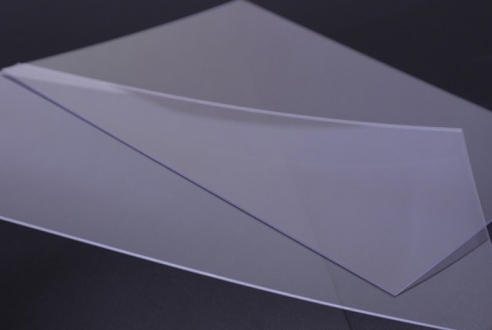
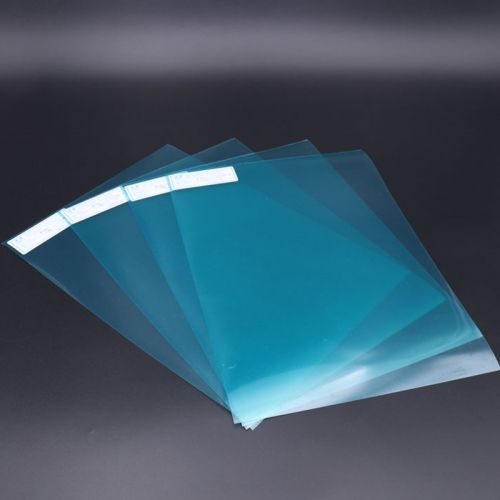
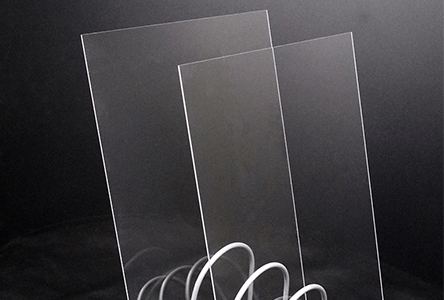
This sheet is manufactured via co-extrusion casting technology, where two types of materials are integrated into a single board or film in one continuous process:
- Outer layer: PMMA (Polymethyl Methacrylate) – delivers high surface hardness, abrasion resistance, high gloss and superior light transmittance;
- Inner layer: PC (Polycarbonate) – provides outstanding impact toughness, bending resistance and excellent thermoforming compatibility.
Core Design Concept
This dual-layer structure eliminates the performance compromises of single-layer materials. PMMA addresses the low-hardness drawback of transparent plastics, while PC compensates for PMMA’s inherent brittleness. The two materials form physical and molecular-level bonding at the co-extruded interface without adhesive agents.
As a result, the finished sheet boasts far greater toughness than solid single-layer PMMA, along with much better surface hardness and scratch resistance compared to pure PC.
Differences from Three-Layer Sheets (Quick Product Positioning)
- Two-layer PC/PMMA: Simpler construction, cost-effective and highly formable. It serves as the mainstream grade for most smartphone back covers, decorative lids and general IMD base films.
- Three-layer PMMA/PC/PMMA: Features better optical symmetry, minimal stress-induced warpage and more predictable weather resistance. It is preferred for optical windows and automotive panels requiring consistent double-sided appearance and high forming yield.
Three Product Grades (Performance Tiers with Identical Two-Layer Structure)
① Non-impact Sheet (DFPM11 / DFPM12)
Standard transparent composite substrate for decorative panels, printing base films and general optical window liners.
② High-Impact Sheet (DFPM13 / DFPM23)
Formulated with upgraded core PC toughness, suitable for deep drawing, rigorous cold bending and complex-shaped high-pressure thermoforming.
③ Hard-Coated Sheet (DFPM13 H1, DFPM13 H2)
After hard-coat surface treatment, pencil hardness is markedly improved, with greatly enhanced scratch resistance and resistance to whitening upon drop impact. Designed for exposed decorative surfaces and glass-replacement smartphone back covers.
Typical Specifications (Public Factory Production Data)
- Thickness: 0.125–3.0 mm; production capacity covers an extended range of 0.070–3.000 mm (0.003"–0.118")
- Width: Max. 1300–1320 mm (≤52 inches)
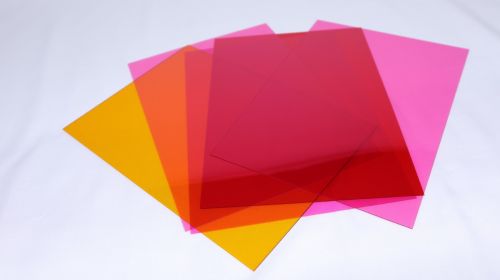
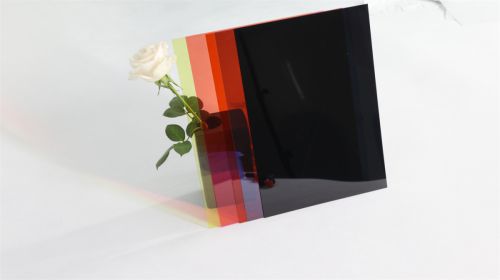
- Color: Natural transparent as standard; tinted variants are categorized under the colored multi-layer PC/PMMA product series
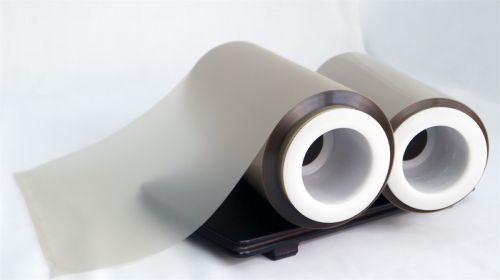
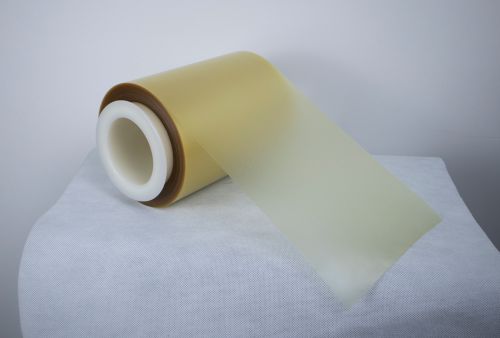
- Surface finish: Double-sided polished as standard. Custom decorative textures including flowing light grain, leather grain and matte finish are available via textured moulds
- Key typical reference properties: Light transmittance ≥90%, low haze, Vicat softening point (B50) approx. 140°C, thermal shrinkage ≤1% at 135°C
Typical Applications
Smartphone back covers and decorative lids (hard-coated grades preferred), protective films for optical lenses,
general-purpose base films for IMD/FIM high-pressure thermoforming, decorative panels for consumer electronics,
automotive interior trims, dashboard and control component decorative panels, rigid decorative substrate for luggage and helmet casings.