EV charger panels need readable displays, durable graphics and reliable touch areas while facing sunlight, rain, cleaners and repeated public use.
Review the Optical Grade PC Film page, the manufacturer website and the related product range early in the project. The final structure or component still requires customer validation.
Outdoor readability is the first customer requirement
A charger screen that is difficult to read creates failed sessions and service calls. Glare, haze, condensation, scratched surfaces and poor contrast can affect usability. Define viewing angle, display brightness, printed border, lighting and environmental exposure before selecting the panel film.
Where optical PC film fits
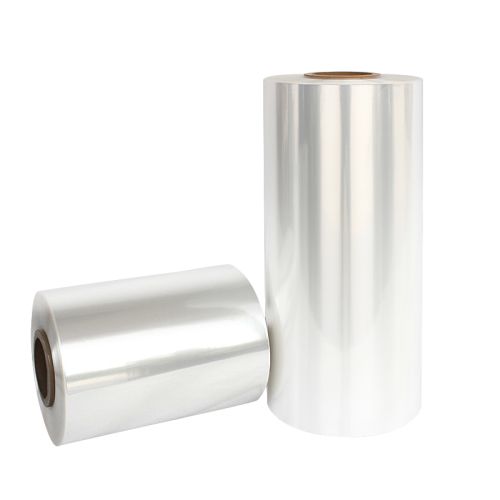
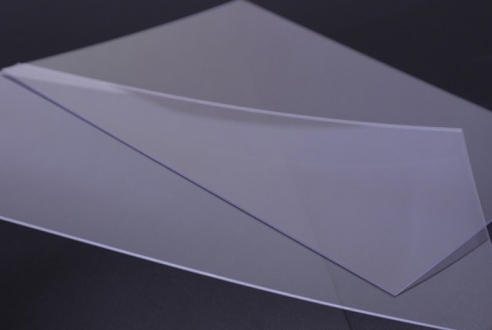
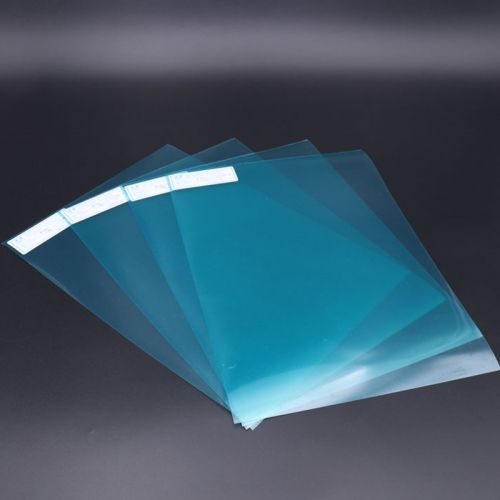
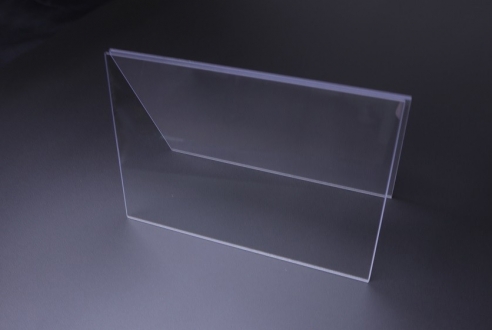
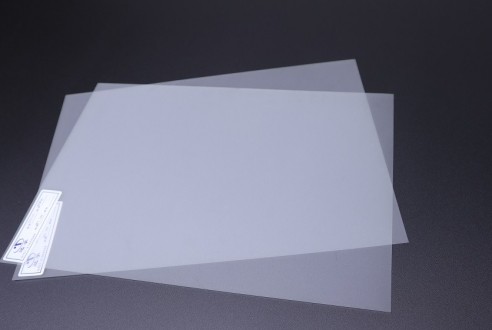
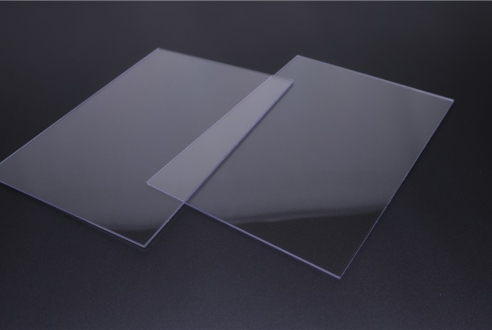
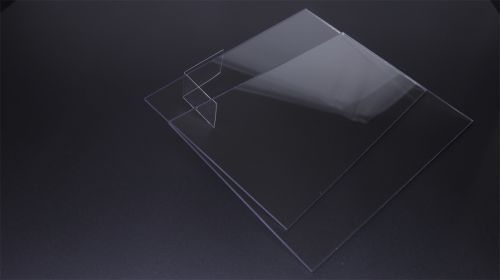
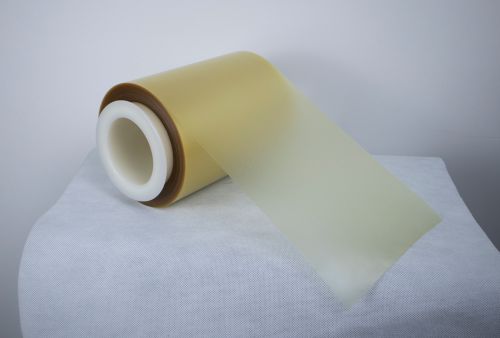
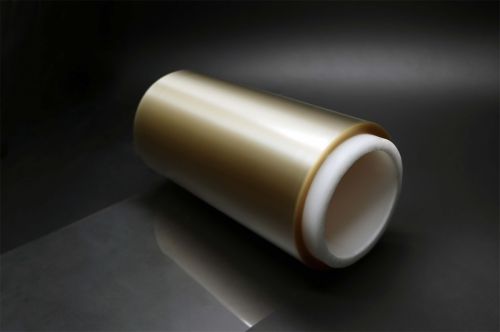
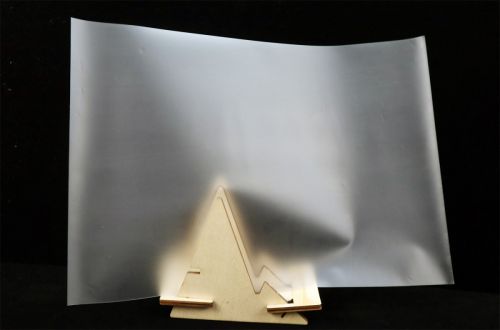
Optical-grade PC film can serve as a clear window or printed overlay and offers toughness useful for public equipment. It may be die cut, printed, formed or bonded depending on the design. The exact surface, thickness and any hard-coat requirement must match the finished panel.
Printing and display windows share one part
Keep ink outside critical viewing zones and validate registration after drying and forming. Confirm ink adhesion, opacity and hidden-until-lit graphics if used. Adhesives should not create bubbles, haze or optical distortion. Test the entire display stack rather than a loose transparent coupon.
Weather and cleaning tests
Follow the charger manufacturer’s outdoor sequence for UV, humidity, water, temperature cycling, abrasion and cleaning chemicals. Inspect edges, bonds, printing and touch response after exposure. Impact and vandal-resistance requirements belong to the complete cover and enclosure design.
What an EV charger maker should request
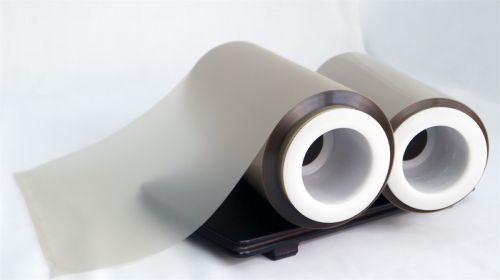
Provide the panel drawing, viewing area, thickness, surface target, print method, forming depth, adhesive, environment, test standard and forecast volume. Request representative sheets or rolls with grade identity and traceability before tooling and artwork are frozen.
How the customer should approve the material
Separate material screening, conversion trials, finished-product tests and commercial approval. Define conditions and acceptance criteria before comparing samples. Keep the current approved material as a control and process it beside the candidate whenever possible. Record grade, thickness, lot, orientation, machine settings and sample location.
Engineering should confirm function. Production should confirm a stable operating window and usable yield. Quality should define incoming checks, retained samples and nonconformance handling. Purchasing should confirm volume, lead time, packaging, logistics and change notification. Product management should approve appearance and any market claim.
Repeat critical measurements after printing, lamination, forming, sealing, sterilization, metallization or assembly when these steps can change performance. Test representative beginning, middle and later production samples. Do not invent values, certifications or life improvements. Use confirmed supplier data and assign final-product approval to the responsible owner.
Control the first production order
Approval does not end when a laboratory sample passes. Confirm that the first commercial roll or sheet lot uses the approved grade, thickness, surface and dimensions. Record incoming condition, packaging and identification. Run the material through the intended production equipment with the approved settings and retain samples from several positions. Review yield, appearance, functional tests and any operator adjustments before releasing the full lot.
Define how the buyer and supplier will handle changes and complaints. Agree which records, retained samples and test results are needed to investigate a concern. A fast corrective response depends on lot traceability and clear evidence from the customer process. Share forecast changes early, especially when special widths, long qualification cycles or dedicated converting steps affect supply planning. This protects the customer launch schedule and reduces the commercial and technical risk of emergency substitutions that have not completed complete customer validation.
From sample request to purchase order
Send the current material, required dimensions, annual volume, destination, project schedule and test plan. Explain why the material is changing and attach structures, drawings or failed samples when available. Request a project-specific sample, commercial terms and technical review rather than a general catalogue.
Agree on pilot quantity, decision date, production scale-up and open-risk owners. Evaluate total usable yield, qualification effort, downtime and supply reliability alongside unit price. Clear technical and commercial information helps the supplier distinguish an active sourcing project from early research.
Frequently asked questions
Can the product page approve the application?
No. It identifies the material option. The converted structure or assembled component must pass the customer’s process and end-use tests.
Should buyers request the highest available specification?
No. Define the real failure risk and required function first. Excess specification can add cost without improving the product.
What makes a comparison reliable?
Use matched conditions, a current control, representative samples and the same test method. Change one major variable at a time.
What information speeds up a quotation?
Provide application, dimensions, volume, destination, schedule, current material, required tests and any known problem.
Discuss your project
Contact the technical sales team with the application, current challenge and forecast demand. Ask for the film grade, sample format and evidence needed before production approval.