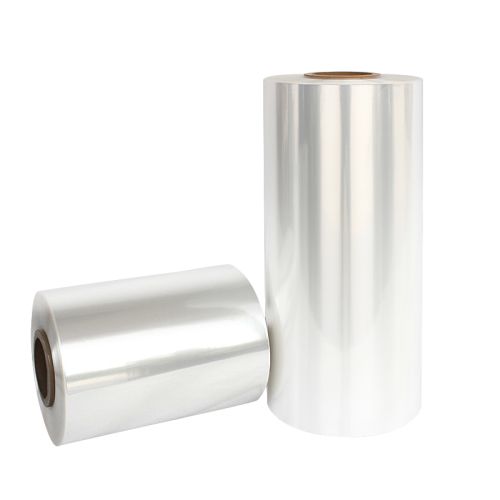
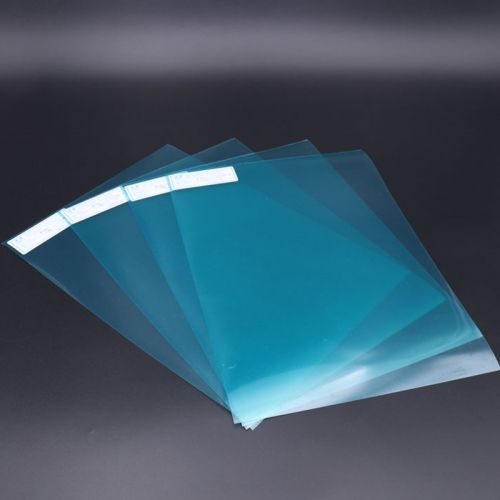
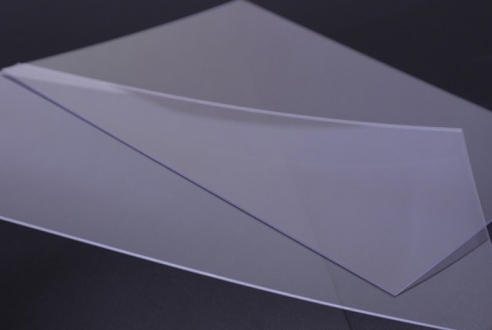
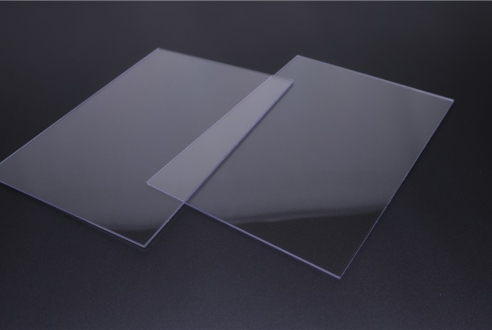
PC/PMMA Film and Sheet Must Solve Several Display Problems
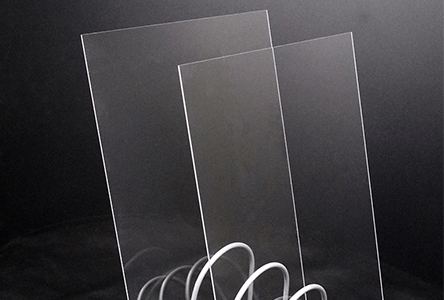
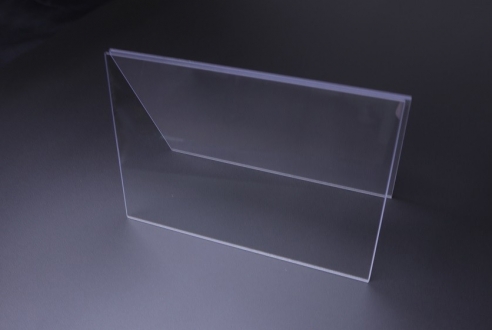
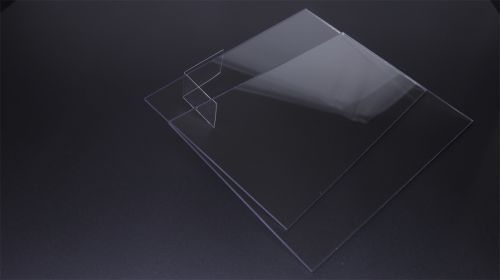
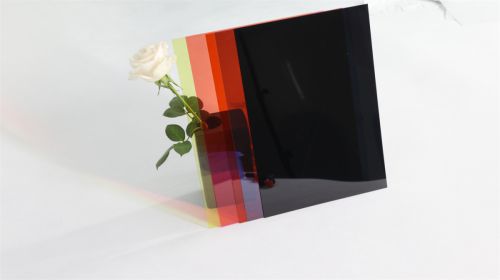
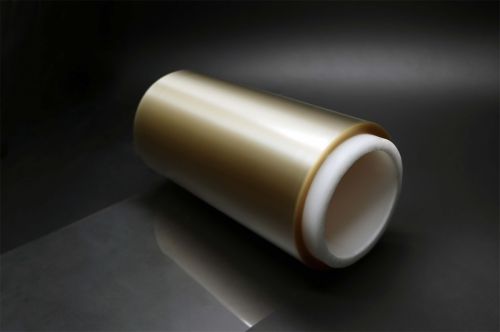
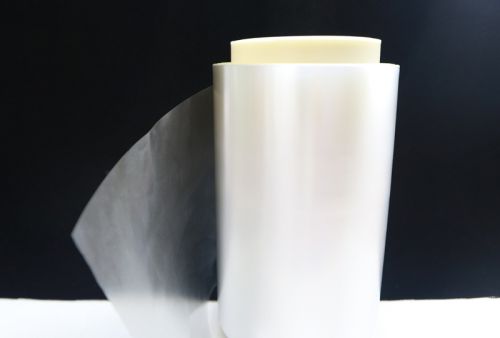
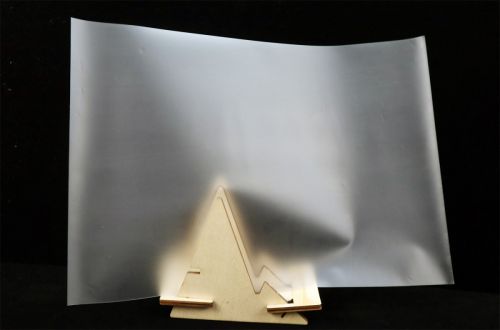
PC/PMMA Film and Sheet is used when one display cover must deliver clarity, surface protection, toughness, and thermal stability.
Dafu PC/PMMA Film and Sheet offers light transmission up to 92%. Its surface hardness exceeds 3H.
Its impact strength reaches eight to ten times that of ordinary PMMA. Its heat-deflection temperature exceeds 130°C.
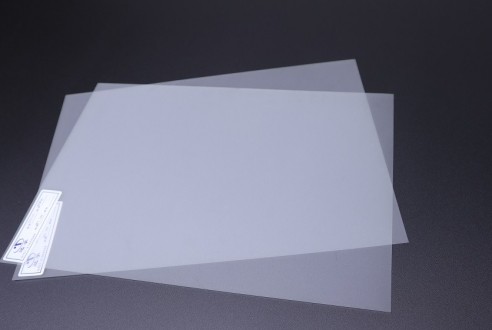
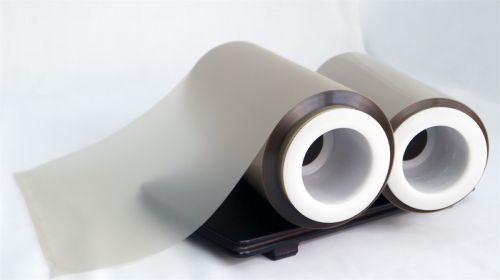
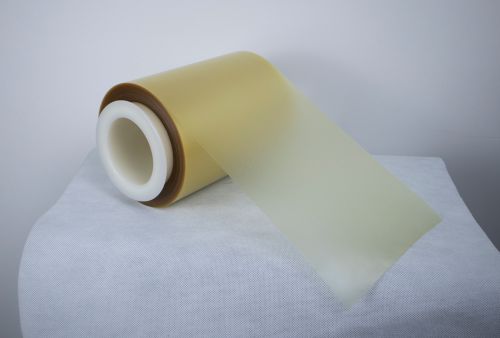
The material is available from 0.07 mm to 3 mm. Width can exceed 1320 mm.
These verified facts support searches for PC PMMA composite sheet, automotive display cover material, and high transparency plastic sheet.
Buyers also search for impact-resistant clear sheet and optical cover lens material. Those needs must be tested in one finished component.
The decision should follow the order of product failure. Optical defects, scratches, cracking, warpage, or bond failure can each reject a part.
Decision One: Define What the User Must See
Use 92% Transmission as a Starting Metric
Dafu PC/PMMA reaches light transmission up to 92%. This level supports bright display and window applications.
Transmission alone does not define image quality. Haze, color, distortion, gloss, and surface waves can still affect the display.
A high transparency plastic sheet should be inspected over the actual screen. White paper cannot reveal every defect visible over black glass.
The team should test normal and bright backlighting. It should also check different viewing angles and expected cabin lighting.
Printed borders can change the optical judgment. Dark masks may reveal pinholes, thin ink areas, or trapped dust.
The acceptance standard should separate active display areas from hidden borders. Critical zones usually need tighter defect limits.
Define the Optical Inspection Method
Buyers should agree on viewing distance, lighting, background, and inspection time. Reference samples can reduce subjective disagreements.
The specification should address light transmission, haze, color, and visible inclusions. It should also cover scratches and surface marks.
Optical approval should occur after forming, printing, and bonding. Each process can change clarity or introduce new defects.
No unverified haze value should be added to the purchase order. Grade-specific data must come from the PC PMMA film supplier.
Decision Two: Convert 3H Hardness into Wear Expectations
Dafu PC/PMMA Film and Sheet has surface hardness above 3H. This supports resistance to normal scratches and handling damage.
Hardness does not guarantee immunity from every object. Sand, keys, dirty cloths, and strong cleaners create different wear conditions.
The buyer should confirm the test method behind the 3H result. Load, pencil, surface, and conditioning can influence the outcome.
Real-use testing should include repeated wiping and relevant cleaning chemicals. The team should measure haze and gloss changes after exposure.
Protective masking can reduce production scratches. The masking should release without residue, marks, or surface damage.
Protect the Exposed Surface Through Conversion
The outward PMMA surface should remain clearly identified. Wrong-side handling can expose the more sensitive surface during production.
Workstations, rollers, and trays should remain clean. Small particles can create visible scratches on an optical cover lens material.
Stacking methods should avoid direct surface contact. Operators should keep masking in place until the latest practical assembly stage.
Cleaning trials should use the planned cloth and chemical. A laboratory hardness value cannot represent repeated field cleaning.
Decision Three: Design Around Impact, Not Only Material Strength
Dafu PC/PMMA offers impact strength eight to ten times ordinary PMMA. This provides useful toughness for exposed display covers.
Component geometry still controls local stress. Holes, sharp corners, clips, and narrow bridges can become crack starting points.
The mounting system also matters. Uneven support or excessive screw pressure can damage an impact-resistant clear sheet.
Automotive parts may face vibration, assembly force, and accidental impact. Temperature can change the response during those events.
Prototype testing should use the final thickness and support geometry. A flat coupon cannot prove performance in a curved production part.
Create an Impact Test Map
The test map should identify likely contact areas and vulnerable edges. It should include the mounted component, not only loose material.
Drop, ball impact, flexing, or puncture tests may be relevant. The chosen method should match the product risk.
Testing at low and high temperatures can reveal different behavior. Exact conditions should follow the intended service environment.
Failure analysis should record crack origin and direction. Design changes may solve the issue without increasing material thickness.
Decision Four: Use the 130°C Data Correctly
Dafu PC/PMMA has a heat-deflection temperature above 130°C. This supports parts exposed to elevated process or service temperatures.
Heat-deflection temperature is not identical to continuous-use temperature. It describes deformation under a defined test condition.
Automotive display cover material can face solar heating, cold starts, and repeated cabin cycles. Printing and adhesives add their own limits.
The team should define normal temperature, short peaks, duration, and mechanical load. It should also set acceptable warpage and optical change.
Formed parts may hold residual stress. Thermal cycling can release that stress and change dimensions or curvature.
The finished cover should enter the thermal test. Flat sheet data cannot prove bonded and printed assembly stability.
Decision Five: Select Thickness Through Component Testing
Dafu PC/PMMA Film and Sheet spans 0.07 mm to 3 mm. This range covers flexible films and more rigid protective parts.
Thin gauges can reduce weight and fit compact assemblies. They may require tighter handling, flatness, and forming control.
Thicker material can add rigidity and impact margin. It can also increase weight, forming energy, and trim waste.
The best thickness meets optical, impact, stiffness, and processing needs with stable yield. It is not always the thickest option.
Use a Two-Thickness Prototype Plan
When design margin is uncertain, teams can prototype two neighboring thicknesses. The comparison should use identical geometry and processing.
The test should measure stiffness, impact, optical distortion, forming behavior, and assembly fit. Production cycle time should also be recorded.
This method shows the value of added thickness. It prevents price or weight decisions from relying on assumptions.
Decision Six: Use Width to Improve Production Economics
Dafu PC/PMMA can be supplied in widths above 1320 mm. Wide material can support large displays or efficient nesting.
Usable width matters more than nominal width. Edge zones, defect limits, and trim allowance affect the actual yield.
Buyers should provide the part layout and cutting direction. Material orientation may influence forming, print registration, and nesting.
A wider roll or sheet can reduce joints and setup changes. It can also demand suitable handling and inspection equipment.
The supplier and converter should agree on usable-area criteria. This agreement prevents later disputes about edge defects or trim.
Build Printing into the Material Decision
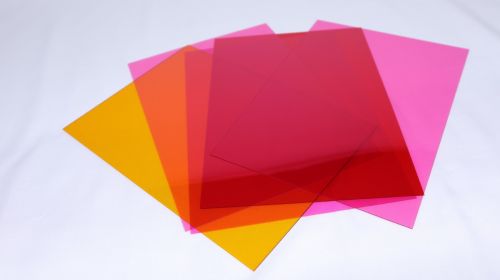
PC/PMMA Film and Sheet can support printed borders, icons, logos, and decorative effects. Printing is often central to the component design.
The trial should check ink wetting, adhesion, opacity, color, and registration. Dark masks need consistent density around illuminated areas.
If printing occurs before forming, graphics may stretch. Pre-distortion may be needed for the final image position.
Ink must tolerate forming heat and strain. It must also survive cleaning, humidity, and thermal cycles.
The team should define which surface receives printing. This choice must respect the outward hard surface and final assembly.
Inspect Print Failure After Every Major Process
Adhesion should be checked after cure, forming, bonding, and aging. A print can pass early testing and fail after later stress.
The failure interface should be recorded. Ink may separate from the film, adhesive, or another printed layer.
Registration should be measured on the final part. Flat-film accuracy does not guarantee formed-graphic position.
Bonding Turns the Cover into an Optical Assembly
An adhesive layer can affect transmission, haze, color, and reflection. Dust or bubbles can become visible over a bright display.
The bonding trial should use the actual display stack and cure conditions. It should check wetting, bond strength, and optical uniformity.
Thermal expansion differences can create stress. That stress may cause curl, edge lift, or optical distortion during cycling.
Clean assembly conditions are essential for active display areas. Inspection limits should match the final viewing environment.
No universal adhesive can be assumed. The team should test the selected chemistry with the exact PC PMMA composite sheet.
Match PC PMMA Composite Sheet to Verified Applications
Dafu PC/PMMA supports mobile-device covers and automotive displays. It can also serve camera decorations and control panels.
These applications value clear appearance, surface hardness, and impact protection. The 130°C heat-deflection result adds useful thermal information.
Industrial displays may face gloves, cleaning, and repeated touch. Automotive displays add cabin heat, vibration, and sunlight exposure.
Camera or decorative parts may prioritize print quality and surface appearance. Each application needs its own defect zones and acceptance limits.
The product name does not establish regulatory or environmental approval. Any such requirement needs separate grade-specific documentation.
Audit the PC PMMA Film Supplier Before Approval
Buyers should ask how 92% transmission and above-3H hardness were measured. The impact comparison method should also be explained.
They should confirm the exact thickness and usable width for the project. Tolerances, masking, surface orientation, and roll format also matter.
The PC PMMA film supplier should describe optical inspection and defect classification. Buyers should request reference or boundary samples when practical.
Processing guidance should cover printing, heating, forming, cutting, and storage. This guidance remains a starting point for production trials.
Buyers should ask how batch identification and consistency are controlled. Multiple representative lots should enter final qualification.
Approve the Finished Part, Not the Data Sheet
The approval plan should connect each verified material value to a finished-part test. This keeps the decision practical and measurable.
Optical tests should follow printing and bonding. Impact tests should use the mounted geometry and chosen thickness.
Thermal tests should use the formed component under realistic load. Scratch testing should include planned cleaning and handling.
Production trials should measure usable yield, cycle time, scrap, and inspection rejects. Total cost depends on these results.
Dafu PC/PMMA Film and Sheet provides strong verified starting data. Commercial confidence comes from repeating those results in the actual component.
A Production Decision for PC/PMMA Film and Sheet
Dafu PC/PMMA combines up to 92% light transmission, above-3H hardness, strong impact performance, and heat resistance above 130°C.
Its 0.07 mm to 3 mm range supports varied designs. Widths above 1320 mm can support larger parts and efficient layouts.
The correct automotive display cover material must survive optical inspection, printing, forming, bonding, cleaning, impact, and thermal cycling.
When these stages pass clear acceptance limits, PC/PMMA Film and Sheet can move from promising data to stable production.